
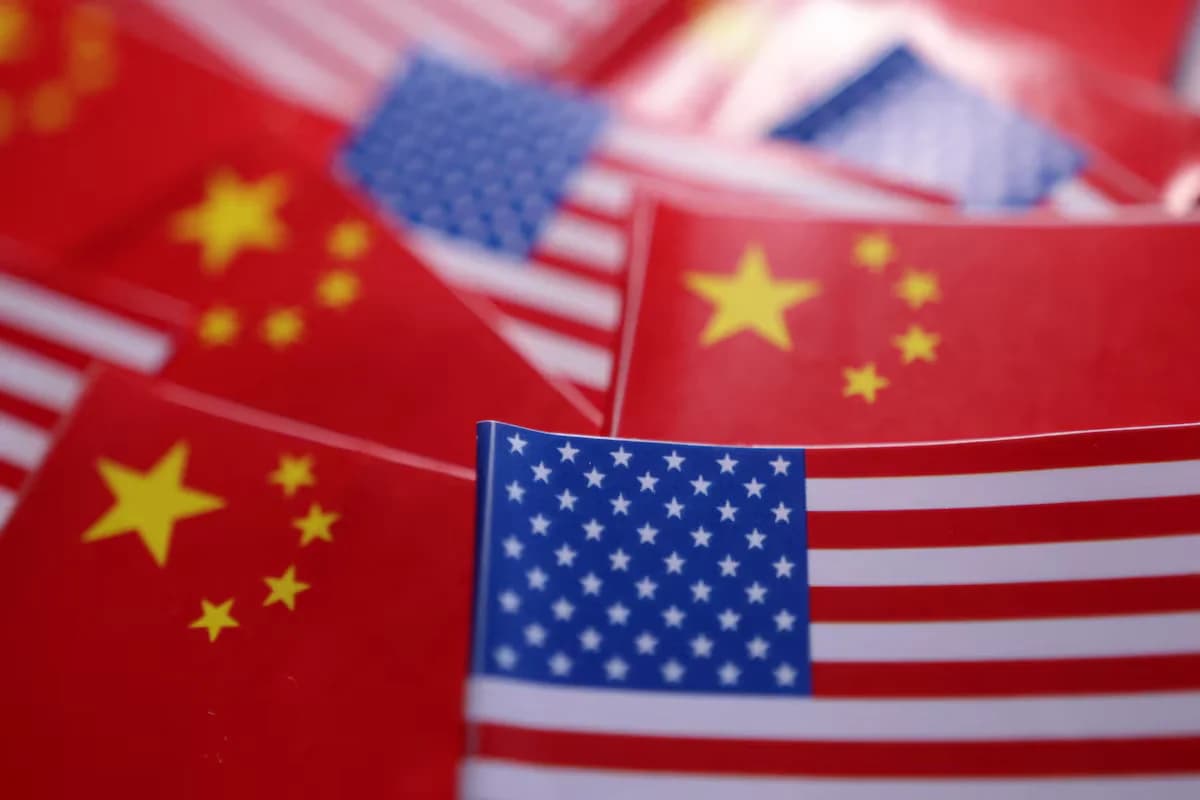
A CORUÑA, Spain, Feb. 5, 2026 The United States and China have declined to sign a joint declaration on the responsible use of artificial intelligence in military operations, casting a shadow over global efforts to set guardrails for one of the fastest-moving technologies in modern warfare. The non-binding declaration was unveiled on Thursday at the Responsible AI in the Military Domain (REAIM) summit, bringing together 85 countries to discuss how AI should and should not be used on the battlefield. Only 35 nations ultimately signed the document, which outlines 20 guiding principles including
A CORUÑA, Spain, Feb. 5, 2026 The United States and China have declined to sign a joint declaration on the responsible use of artificial intelligence in military operations, casting a shadow over global efforts to set guardrails for one of the fastest-moving technologies in modern warfare. The non-binding declaration was unveiled on Thursday at the Responsible AI in the Military Domain (REAIM) summit, bringing together 85 countries to discuss how AI should and should not be used on the battlefield. Only 35 nations ultimately signed the document, which outlines 20 guiding principles including human control over AI systems, clear chains of command, and strict testing before deployment. The absence of Washington and Beijing, the world’s two largest military and AI powers, was striking. Diplomats say the decision reflects deep strategic mistrust, with both sides wary of committing to standards that could limit their military edge while rivals push ahead.

Stakeholders gather at the REAM Conference to discuss sustainable energy and future investments
Supporters argue the declaration is a critical first step toward preventing AI-driven accidents, miscalculations, or unintended escalation in future conflicts. Critics counter that without buy-in from major powers, its impact will remain limited. Still, European officials insist momentum is building. As AI rapidly reshapes surveillance, targeting, and decision-making in war, pressure is growing for clearer global norms even if consensus among the biggest players remains elusive.



Comments
No comments yet. Be the first to share a thought.