
U.S. President Donald Trump has announced that American representatives are traveling to Islamabad, Pakistan, for a new round of negotiations with Iran, as the countries' two-week ceasefire, brokered by Pakistan on April 8, nears expiration amid renewed disruptions in the Strait of Hormuz. Trump confirmed the mission in a post on Truth Social on Sunday, saying special envoy Steve Witkoff would lead the delegation, with his son-in-law Jared Kushner also involved. U.S. representatives are expected to arrive in Islamabad on Monday evening. Iranian sources familiar with the negotiations told CNN t
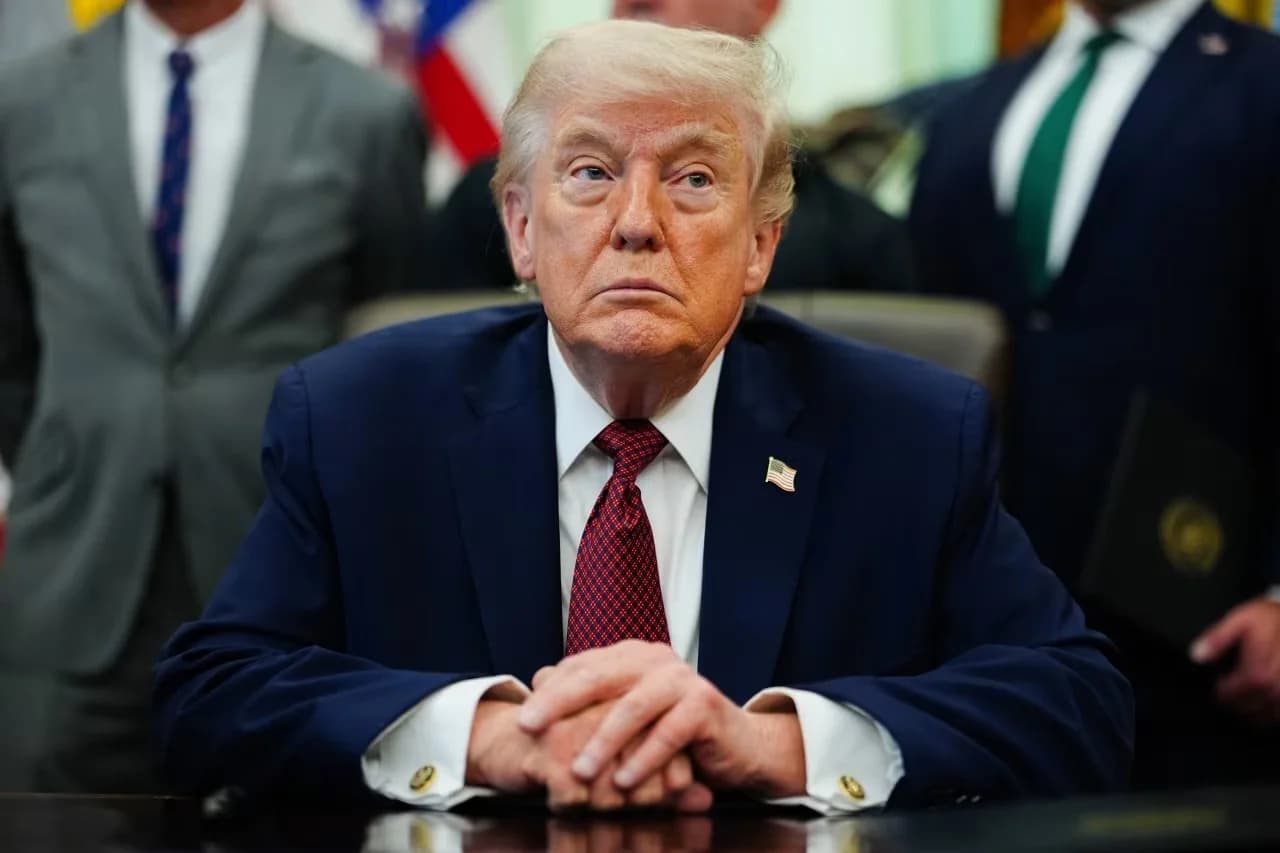
U.S. President Donald Trump has announced that American representatives are traveling to Islamabad, Pakistan, for a new round of negotiations with Iran, as the countries' two-week ceasefire, brokered by Pakistan on April 8, nears expiration amid renewed disruptions in the Strait of Hormuz.
Trump confirmed the mission in a post on Truth Social on Sunday, saying special envoy Steve Witkoff would lead the delegation, with his son-in-law Jared Kushner also involved. U.S. representatives are expected to arrive in Islamabad on Monday evening.
Iranian sources familiar with the negotiations told CNN that an Iranian delegation, expected to include Foreign Minister Abbas Araghchi and parliament speaker Mohammad Bagher Ghalibaf, the same team from the previous round, will arrive in Pakistan on Tuesday.
The announcement came as Trump accused Iran of violating the ceasefire, citing incidents in the Strait of Hormuz in which he claimed Iranian forces fired on a French vessel and a British freighter. "Iran decided to fire bullets yesterday in the Strait of Hormuz, a total violation of our ceasefire agreement," Trump said. Traffic in the strategic waterway remained paralyzed on Sunday, with two tankers carrying liquid petroleum gas reported to have reversed course amid Iran's effective closure of the strait.
Trump issued a stark warning should the talks collapse. "We're offering a very fair and reasonable deal, and I hope they take it because, if they don't, the United States is going to knock out every single power plant and every single bridge in Iran," the president said on Truth Social.
Iran's parliament speaker Ghalibaf said on Saturday that the two countries remain "still far from a final agreement." Iranian President Masoud Pezeshkian separately stated that Trump cannot deprive Iran of its right to a nuclear program. Iran has maintained that it remains committed to its own interpretation of the ceasefire terms, accusing the U.S. of "breaches of trust."
Despite the sharp rhetoric, Iranian sources said Tehran is expecting a symbolic joint announcement extending the ceasefire on Wednesday. If talks proceed smoothly and Trump agrees to travel to Islamabad, both presidents could convene for a summit and sign a joint "Islamabad declaration," the sources added. There has been no official confirmation from Tehran.
Turkey's Foreign Minister Hakan Fidan, speaking at a conference in Antalya on Sunday, said both countries retain the will to continue negotiations but that a number of points of disagreement remain unresolved. Sticking points include Iran's nuclear program, the status of the Strait of Hormuz, and compensation for wartime damages.
Pakistan has played a central role throughout the crisis, having brokered the April 8 ceasefire and hosted the first round of direct U.S.–Iran talks on April 11–12, described as the most significant in-person negotiations between the two countries since the 1979 Islamic Revolution. Those talks lasted more than 20 hours but ended without a deal, after which Trump threatened a naval blockade of Iran.
With the two-week ceasefire set to expire within days, the renewed Islamabad talks represent a last opportunity to prevent further escalation in one of the most volatile flashpoints in the Middle East.



Comments
No comments yet. Be the first to share a thought.