
A major diplomatic breakthrough has emerged in the Middle East after the United States and Iran agreed on a framework deal aimed at ending months of conflict that has shaken the region and disrupted global energy markets. The agreement, announced by Pakistan, which helped mediate the negotiations, is expected to be formally signed in Switzerland on Friday. According to officials from both Washington and Tehran, the deal includes an extension of the ceasefire and commitments to further negotiations over the coming months. US President Donald Trump hailed the development as a historic achievemen
A major diplomatic breakthrough has emerged in the Middle East after the United States and Iran agreed on a framework deal aimed at ending months of conflict that has shaken the region and disrupted global energy markets.
The agreement, announced by Pakistan, which helped mediate the negotiations, is expected to be formally signed in Switzerland on Friday. According to officials from both Washington and Tehran, the deal includes an extension of the ceasefire and commitments to further negotiations over the coming months.
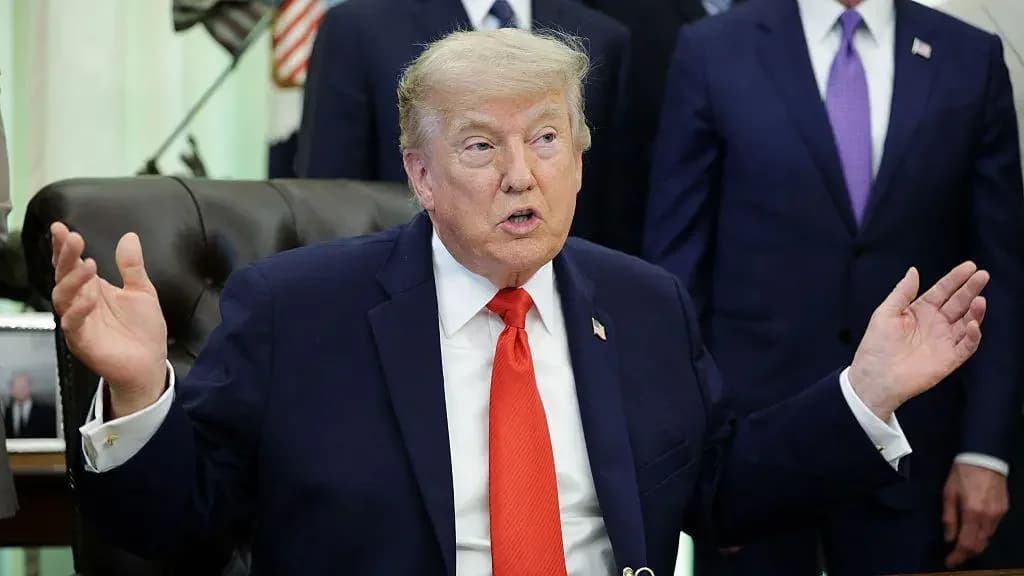
US President Donald Trump hailed the development as a historic achievement, declaring that the Strait of Hormuz the world's most important oil shipping route—would be reopened.
"Let the oil flow!" Trump wrote on Truth Social, triggering an immediate drop in global oil prices and boosting investor confidence across international markets.
Regional and Global Reactions
Iranian Deputy Foreign Minister Kazem Gharibabadi confirmed that a deal had been reached, while Iran's military leadership described the agreement as a victory for Tehran. Although the full details have not yet been released, reports suggest the accord prioritizes extending the ceasefire for another 60 days while negotiations continue.
Pakistan stated that military operations across all fronts, including Lebanon, would cease under the agreement. However, Israel has not officially endorsed the framework and remains cautious.
Israeli National Security Minister Itamar Ben-Gvir criticized the deal, insisting that it does not guarantee Israel's security and does not bind the Israeli government.
Meanwhile, world leaders welcomed the breakthrough. UK Prime Minister Keir Starmer described the agreement as a "hugely significant moment" that could restore stability and ease economic pressures worldwide.
European Commission President Ursula von der Leyen called for the immediate implementation of the accord and stressed the importance of restoring freedom of navigation through the Strait of Hormuz.
Economic Impact
Financial markets reacted positively to the announcement. Stock indexes across Europe and Asia recorded strong gains as investors welcomed signs of de-escalation.
Japan's Nikkei 225 surged by approximately 5%, while major European markets also posted significant increases. Oil prices fell sharply as traders anticipated the resumption of shipments through the Strait of Hormuz, which normally handles nearly one-fifth of global oil and gas supplies.
However, experts caution that the recovery will take time. Retired US Rear Admiral Mark Montgomery noted that clearing naval mines and restoring safe passage could take weeks or even months.
Challenges Ahead
Despite the optimism, analysts warn that the framework agreement is only the beginning of a long and complex process.
Several crucial issues remain unresolved, including Iran's nuclear programme, sanctions relief, the status of Iranian assets frozen abroad, and the practical implementation of the Strait of Hormuz reopening.
The agreement also proposes a 60-day period of negotiations focused on the future of Iran's nuclear facilities. Observers note that these discussions could face significant obstacles.
Hope for Stability
The conflict began after US and Israeli strikes on Iranian targets in late February, prompting retaliatory attacks by Iran and its regional allies. The escalation raised fears of a wider regional war and severely affected global energy supplies.
Now, with both sides signaling a willingness to negotiate, many hope the agreement will mark the beginning of a more stable era in the Middle East.
As leaders gather for the upcoming G7 summit in France, the framework deal is expected to dominate discussions, with governments closely watching whether the breakthrough can evolve into a lasting peace agreement.
For now, the world is waiting for Friday's signing ceremony, which could become one of the most significant diplomatic moments of 2026.



Comments
No comments yet. Be the first to share a thought.