
A U.S. Navy F/A-18 Super Hornet from USS George H.W. Bush disabled two Iran-flagged oil tankers in the Gulf of Oman on Thursday after the vessels allegedly attempted to breach what the U.S. military described as a maritime blockade on Iranian ports, according to United States Central Command. CENTCOM said the aircraft struck the smokestacks of the unladen tankers, identified as the Sea Star III and Sevda, using precision munitions, preventing them from entering an Iranian port. The command released video footage it said showed the vessels being disabled. According to the U.S. military, the ves
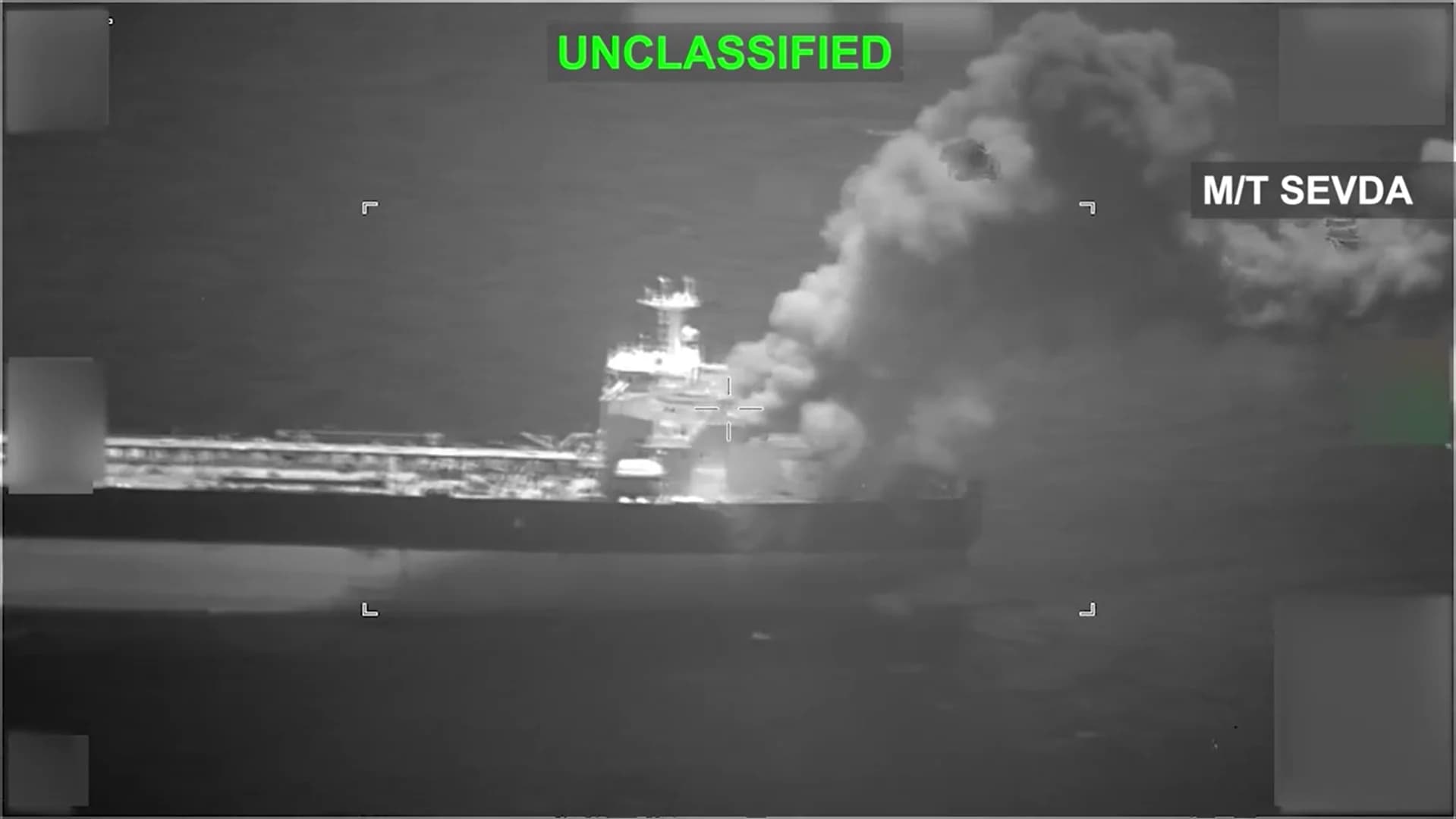
A U.S. Navy F/A-18 Super Hornet from USS George H.W. Bush disabled two Iran-flagged oil tankers in the Gulf of Oman on Thursday after the vessels allegedly attempted to breach what the U.S. military described as a maritime blockade on Iranian ports, according to United States Central Command.
CENTCOM said the aircraft struck the smokestacks of the unladen tankers, identified as the Sea Star III and Sevda, using precision munitions, preventing them from entering an Iranian port. The command released video footage it said showed the vessels being disabled.
According to the U.S. military, the vessels were attempting to reach Iranian ports in violation of maritime restrictions imposed by Washington amid ongoing tensions with Tehran. CENTCOM said the tankers were disabled and no casualties were reported.
The incident followed another U.S. naval operation on May 6, in which an F/A-18 Super Hornet from USS Abraham Lincoln disabled the Iranian-flagged tanker M/T Hasna by firing several rounds from a 20mm cannon gun into its rudder after its crew allegedly ignored repeated instructions from U.S. forces.
"U.S. forces in the Middle East remain committed to full enforcement of the blockade of vessels entering or leaving Iran," CENTCOM commander Admiral Brad Cooper said. "Our highly trained men and women in uniform are doing incredible work."
CENTCOM said more than 50 commercial vessels have been redirected and multiple others disabled to ensure compliance with the blockade.
Iran responded with a counter-move of its own. In a statement carried by the Fars news agency, an Iranian navy spokesperson said Iranian forces had seized the vessel Ocean Koi in the Gulf of Oman, saying it had attempted to "disrupt oil exports and the interests of the Iranian nation." State-owned Press TV released footage showing Iranian forces boarding and detaining the ship.
The tanker incidents followed an exchange of fire between U.S. and Iranian forces in the Strait of Hormuz overnight, in what observers described as one of the most serious threats yet to a month-old ceasefire that Washington has insisted remains in effect.
On the diplomatic front, Iranian Foreign Ministry spokesman Esmaeil Baghaei said Tehran would respond to a U.S.-backed peace proposal "at the appropriate time," dismissing American deadlines as carrying no weight.
"Iran will not respond to deadlines or ultimatums," Baghaei said, adding that such demands "mean nothing" to Tehran.
The escalating naval confrontations come as Iran has moved to formalise control over Strait of Hormuz passage, with reports of a newly established Persian Gulf Strait Authority vetting and taxing vessels seeking transit.
U.S. Secretary of State Marco Rubio called the development "unacceptable," saying Washington was awaiting a formal Iranian response to its latest proposal to end hostilities, reopen the strait and address Tehran's nuclear program.



Comments
No comments yet. Be the first to share a thought.