
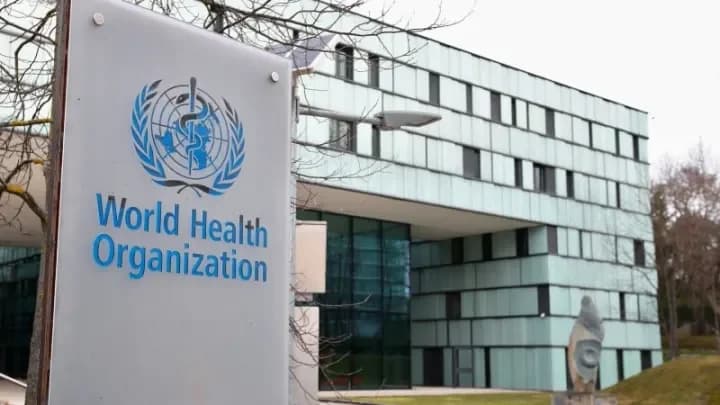
The United States has formally rejected a World Health Organization (WHO) agreement aimed at improving global preparedness and response for future pandemics, citing concerns over sovereignty and the broad powers it grants the international health body, The Guardian reports. In a joint statement released on Friday, the U.S. Department of State and the Department of Health and Human Services confirmed that the Biden administration had transmitted its official rejection of the legally binding pact, which was adopted in May by WHO member states following three years of negotiations in Geneva. Th
The United States has formally rejected a World Health Organization (WHO) agreement aimed at improving global preparedness and response for future pandemics, citing concerns over sovereignty and the broad powers it grants the international health body, The Guardian reports. In a joint statement released on Friday, the U.S. Department of State and the Department of Health and Human Services confirmed that the Biden administration had transmitted its official rejection of the legally binding pact, which was adopted in May by WHO member states following three years of negotiations in Geneva. The agreement seeks to ensure equitable global access to critical health tools during pandemics such as vaccines, therapeutics, and diagnostics, by requiring participating manufacturers to reserve 20% of their products for WHO distribution. This provision is intended to assist lower-income countries in securing vital medical supplies during health emergencies. However, U.S. officials argued that the accord was drafted without sufficient public input and could expand the WHO’s authority in ways that potentially undermine national control. “Developed without adequate public input, these amendments expand the role of the WHO in public health emergencies, create additional authorities for the WHO for shaping pandemic declarations, and promote WHO’s ability to facilitate ‘equitable access’ of health commodities,” read the statement, jointly issued by Secretary of State Marco Rubio and Secretary of Health and Human Services Robert F. Kennedy Jr. Kennedy, a longtime critic of vaccines and public health mandates, had earlier addressed the World Health Assembly via video, criticizing the agreement for what he described as a failure to learn from the missteps of the COVID-19 pandemic. Both Rubio and Kennedy maintained that the rejection was necessary to protect U.S. sovereignty. "Terminology throughout the 2024 amendments is vague and broad, risking WHO-coordinated international responses that focus on political issues like solidarity, rather than rapid and effective actions," the statement added. Despite the U.S. objections, public health experts noted that the agreement does not infringe on national sovereignty. The accord allows each country to maintain its own health policies while committing to collective efforts during global crises. The WHO, which depends heavily on funding from major donors including the U.S., has emphasized the importance of global coordination in avoiding the fragmentation seen during the COVID-19 response. With the U.S. opting out, it will not be bound by the provisions of the accord and will not be obligated to share medical supplies through WHO channels during future health emergencies.



Comments
No comments yet. Be the first to share a thought.