
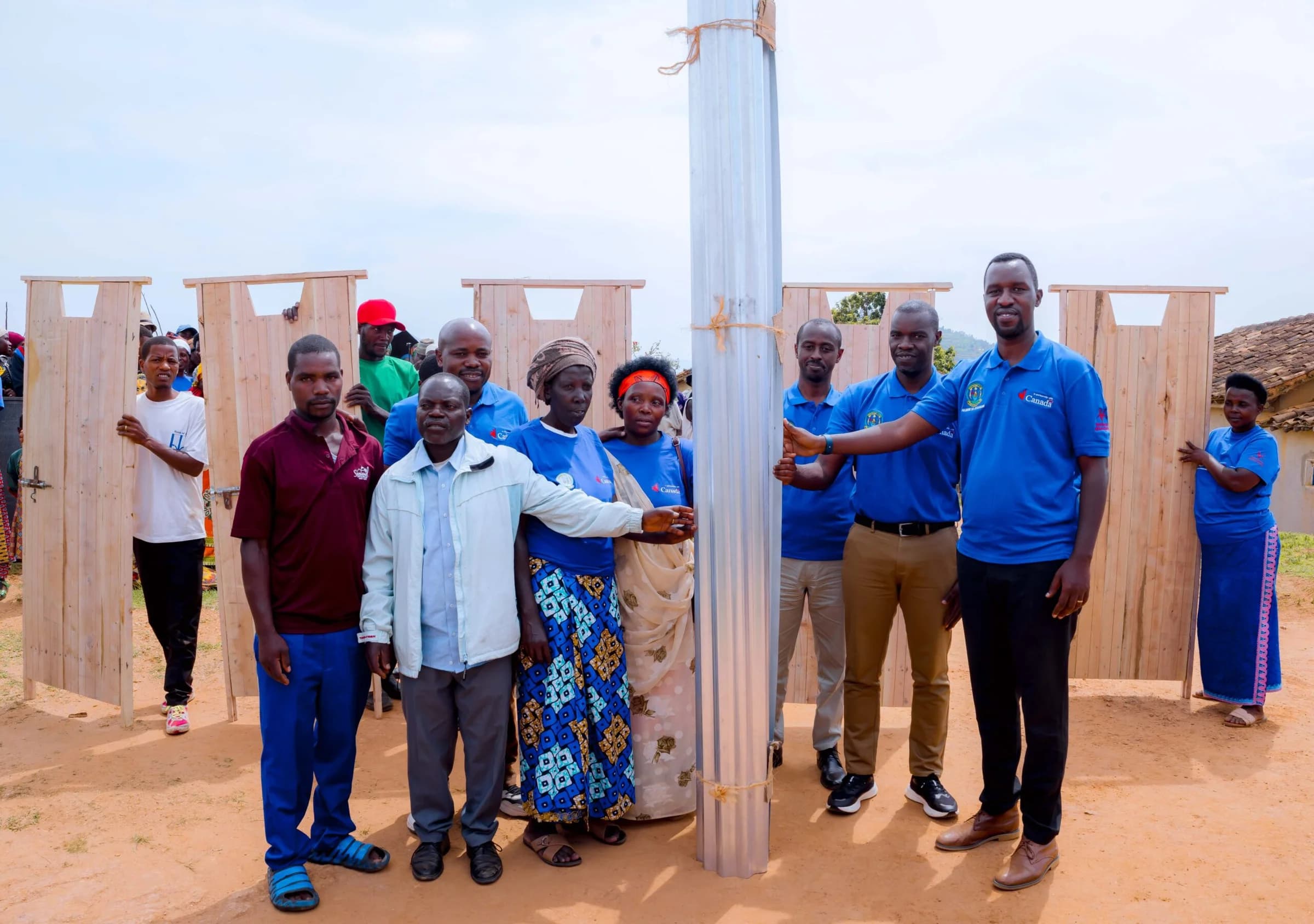
WaterAid Rwanda, an international non-profit organisation promoting access to clean water, decent toilets, and good hygiene, has pledged to support the improvement of sanitation facilities especially decent toilets in Nyamagabe District, Southern Province. Through the COHERS Project, the organisation has handed over nearly 1,000 household latrines, one public toilet, and construction materials such as iron sheets and doors to help families build improved toilets. According to data from the National Institute of Statistics of Rwanda (NISR), published in the Seventh Integrated Household Living
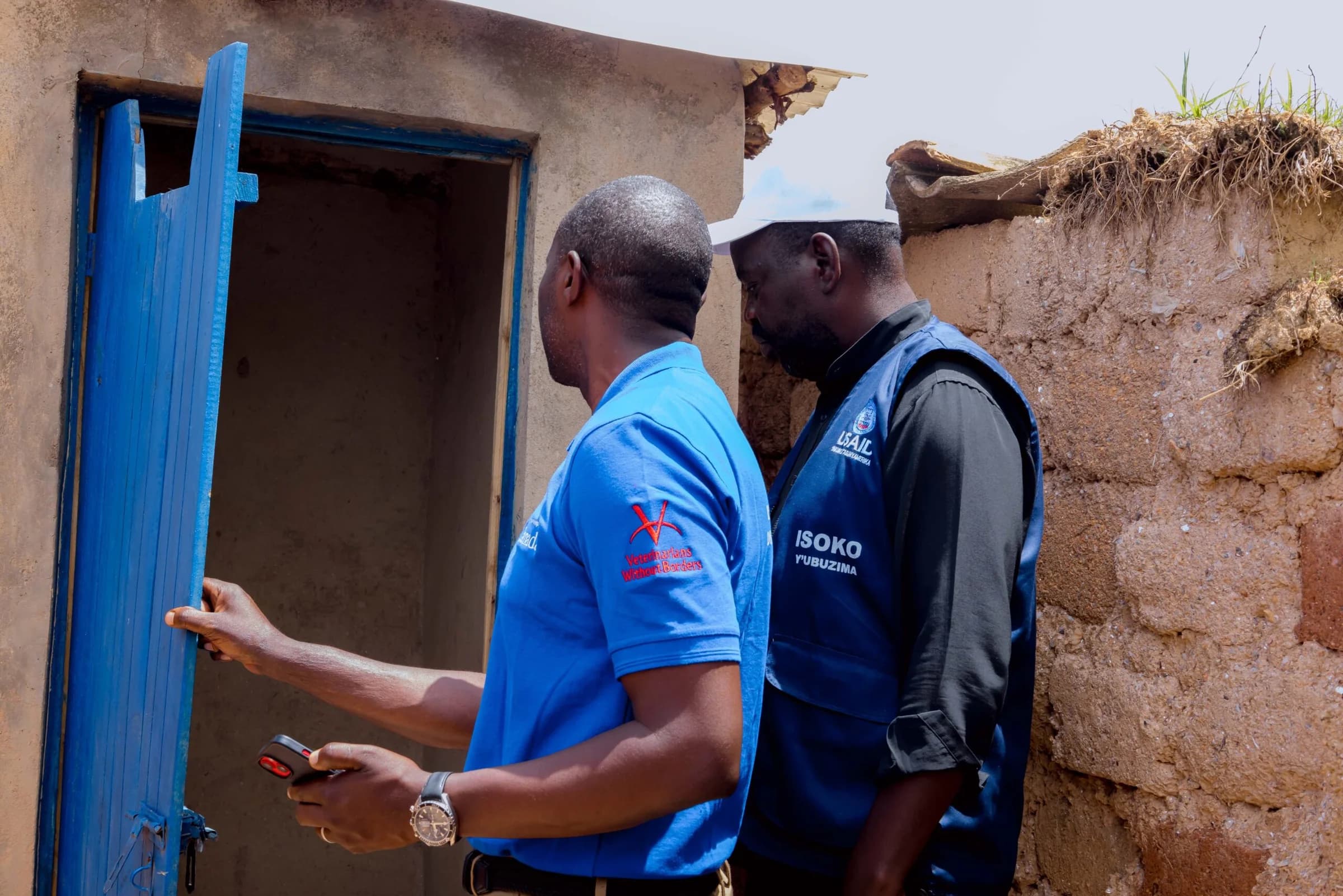
WaterAid Rwanda, an international non-profit organisation promoting access to clean water, decent toilets, and good hygiene, has pledged to support the improvement of sanitation facilities especially decent toilets in Nyamagabe District, Southern Province. Through the COHERS Project, the organisation has handed over nearly 1,000 household latrines, one public toilet, and construction materials such as iron sheets and doors to help families build improved toilets. According to data from the National Institute of Statistics of Rwanda (NISR), published in the Seventh Integrated Household Living Conditions Survey (EICV7), nine in ten households in Rwanda use improved toilets. However, Nyamagabe District leaders say more work is needed. More than 3,000 households still rely on substandard latrines, while others have none at all. The issue was highlighted on Wednesday, November 19, 2025, during the district’s World Toilet Day celebrations held under the theme “Sanitation in a Changing World: Toilets Are Always Essential.” The Ministry of Health states that a standard latrine must include a strong and covered slab, firm and tall walls, and a proper roof. The pit should be three to six meters deep and one meter in diameter. It must also have a lockable door, a nearby handwashing facility, and be cleaned daily. Nyamagabe District Mayor Hildebrand Niyomwungeri said the district is committed to addressing the sanitation gap. “We found more than three thousand households with substandard toilets, and others with none, among the 92,000 households in the district,” he said. “We have committed to ensuring that these toilets are built by June next year. We also plan to construct houses for residents in need.” He noted that about 500 people in the district are homeless. “This requires a significant budget that would normally take many years. We have committed to using exceptional means to build these 500 houses along with the toilets,” he added. Health officials in the district report that 80% of diseases treated in local health facilities are linked to poor hygiene, including intestinal worms, dental problems, and skin infections such as jiggers. To address these challenges, the district has introduced stricter hygiene requirements. Mayor Niyomwungeri explained, “At health centres and hospitals, every visitor must bring toilet paper, wear shoes, and wash their hands after using the toilet.” He added that these measures must also be followed in homes, schools, and public places, and stressed the need for water and soap to be available for handwashing. Olivier Ndizeye, Monitoring, Evaluation, and Learning Manager at WaterAid Rwanda, said the organisation remains committed to supporting the district. “This year we constructed 1,000 toilets, in addition to those previously built in Tare, Kibumbwe, and Cyanika sectors. Our work is ongoing,” he said. He added that WaterAid Rwanda is also strengthening awareness campaigns to change community mindsets on hygiene and sanitation, while continuing to support vulnerable families with roofing materials and doors. Despite these efforts, some residents say the sanitation situation remains challenging. Ntirushwa Charles from Nyanzoga Cell in Cyanika Sector said, “Proper toilets are almost nonexistent here. Most are simple pits reinforced with pieces of wood and no roofing. When it rains, they overflow and attract flies that spread disease.” Mukakalisa Jeannette, a member of a local hygiene and sanitation group, said financial constraints and mindset issues remain major barriers to building proper toilets.
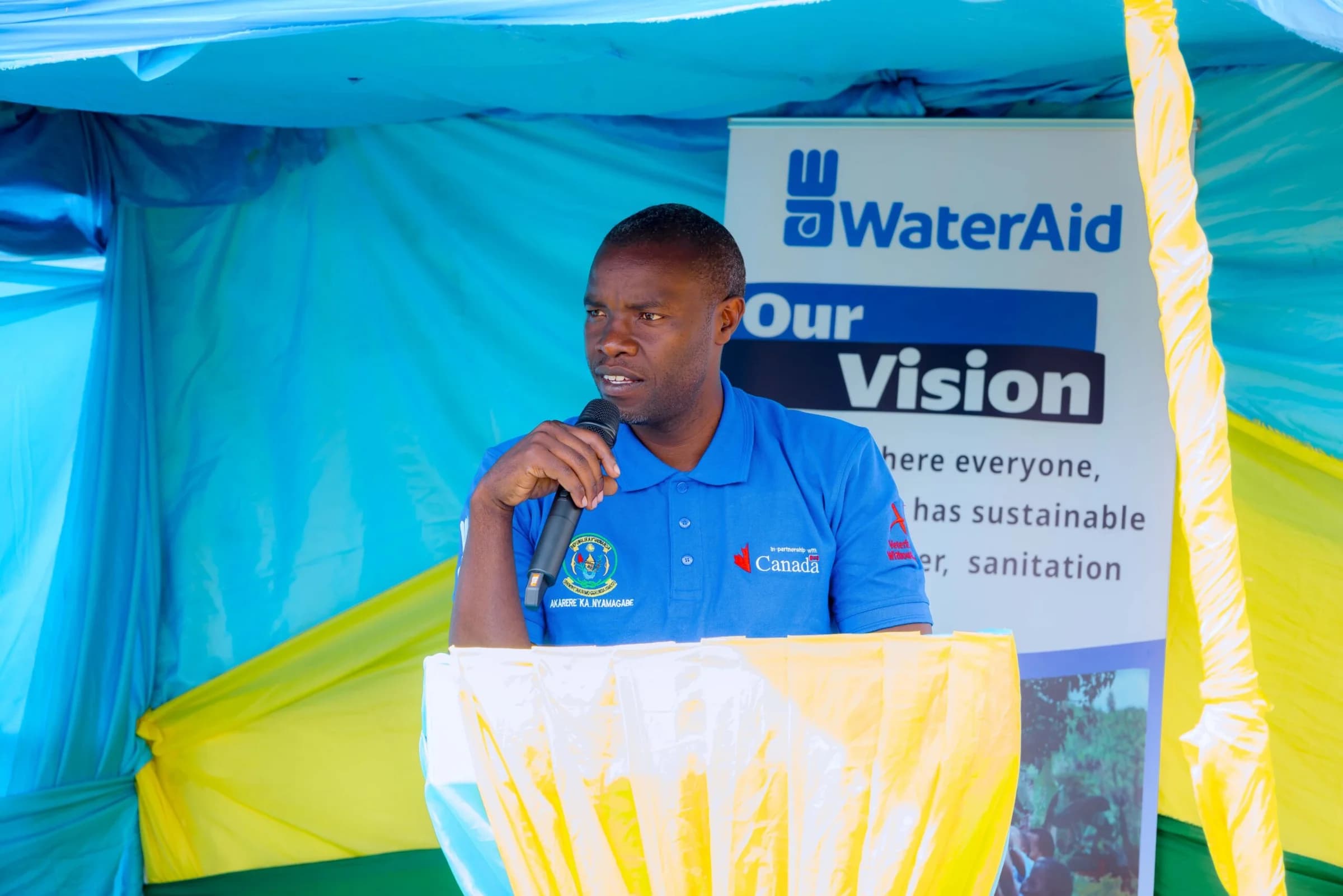
Nyamagabe District Mayor Hildebrand Niyomwungeri said the district is committed to addressing the sanitation gap
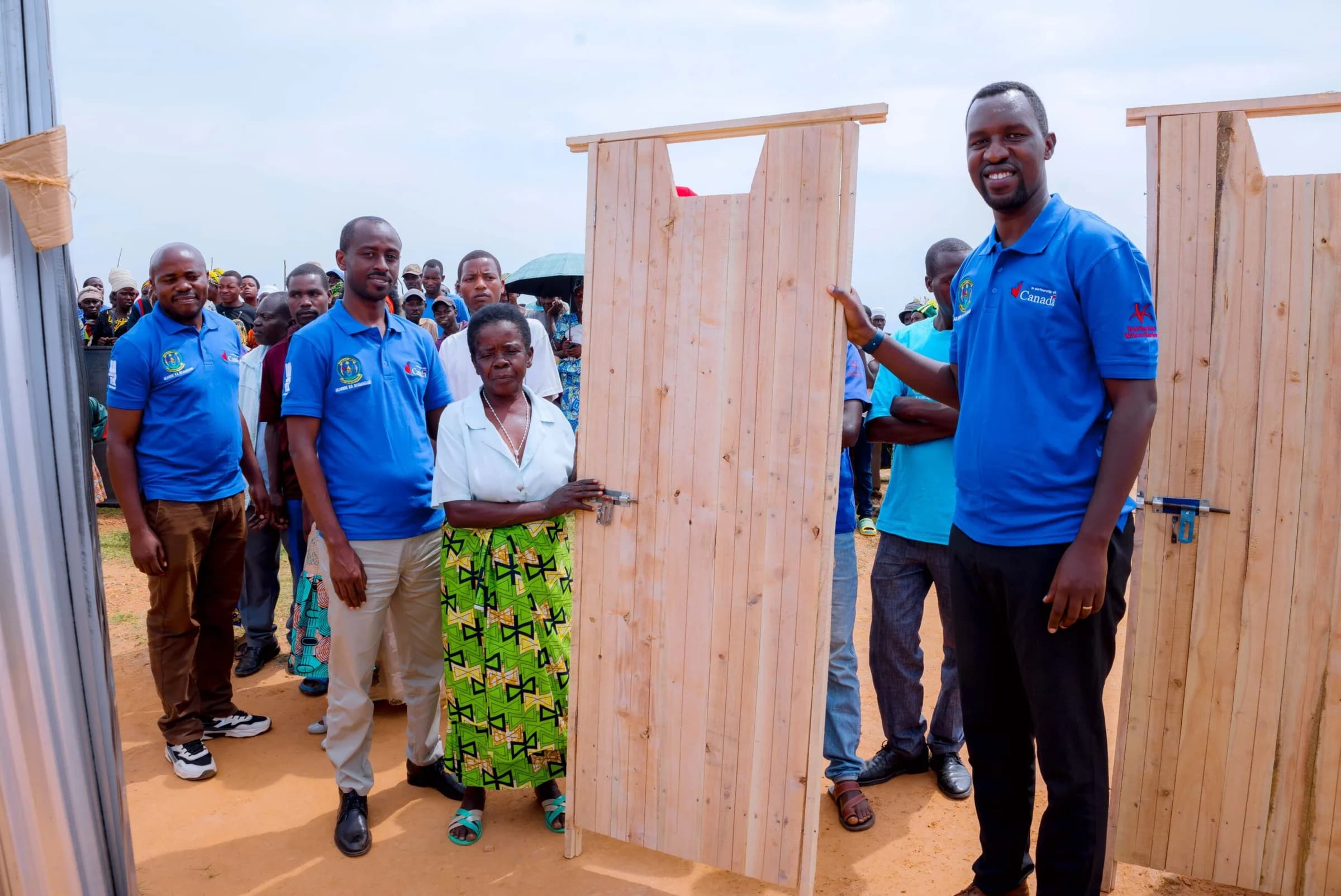
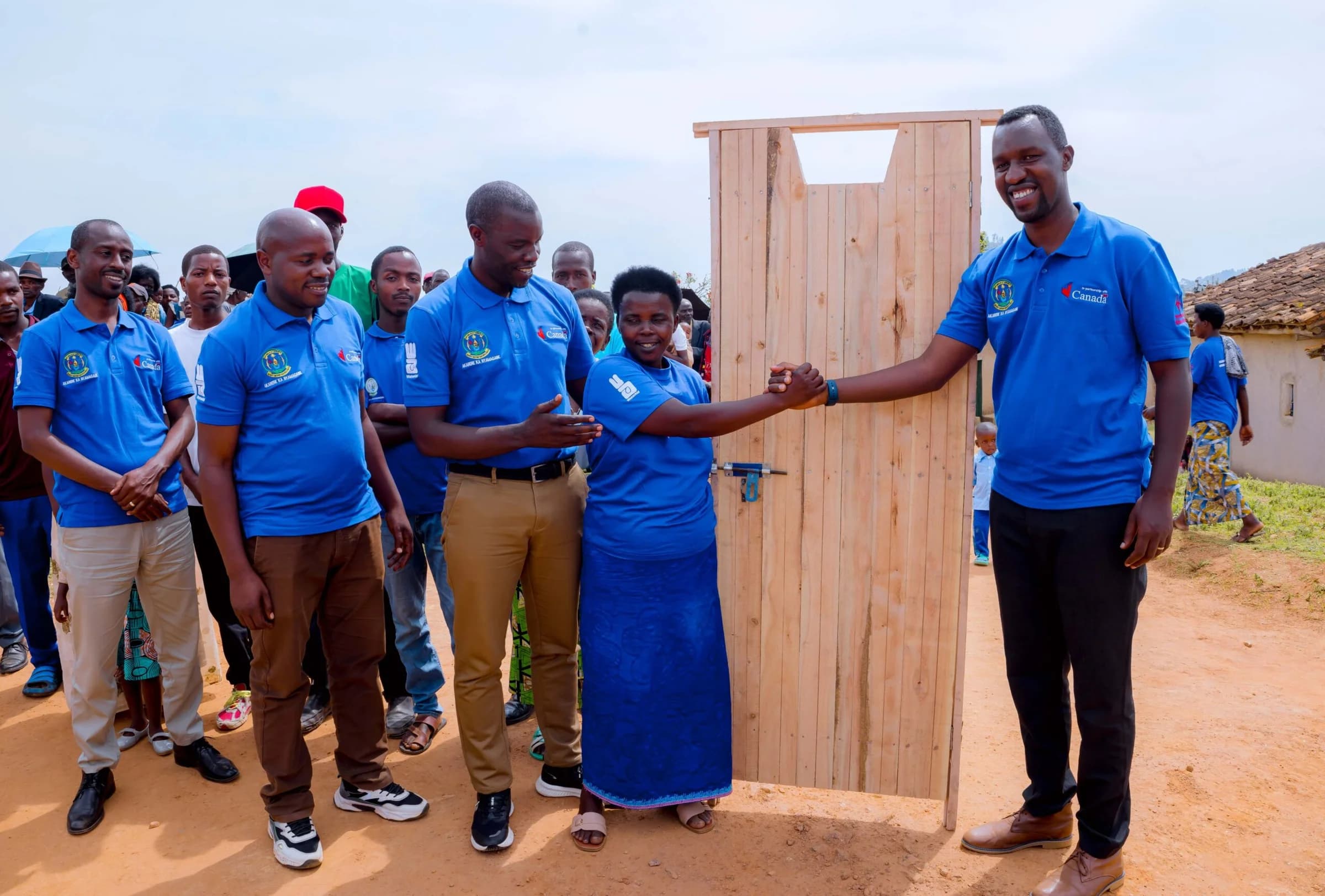
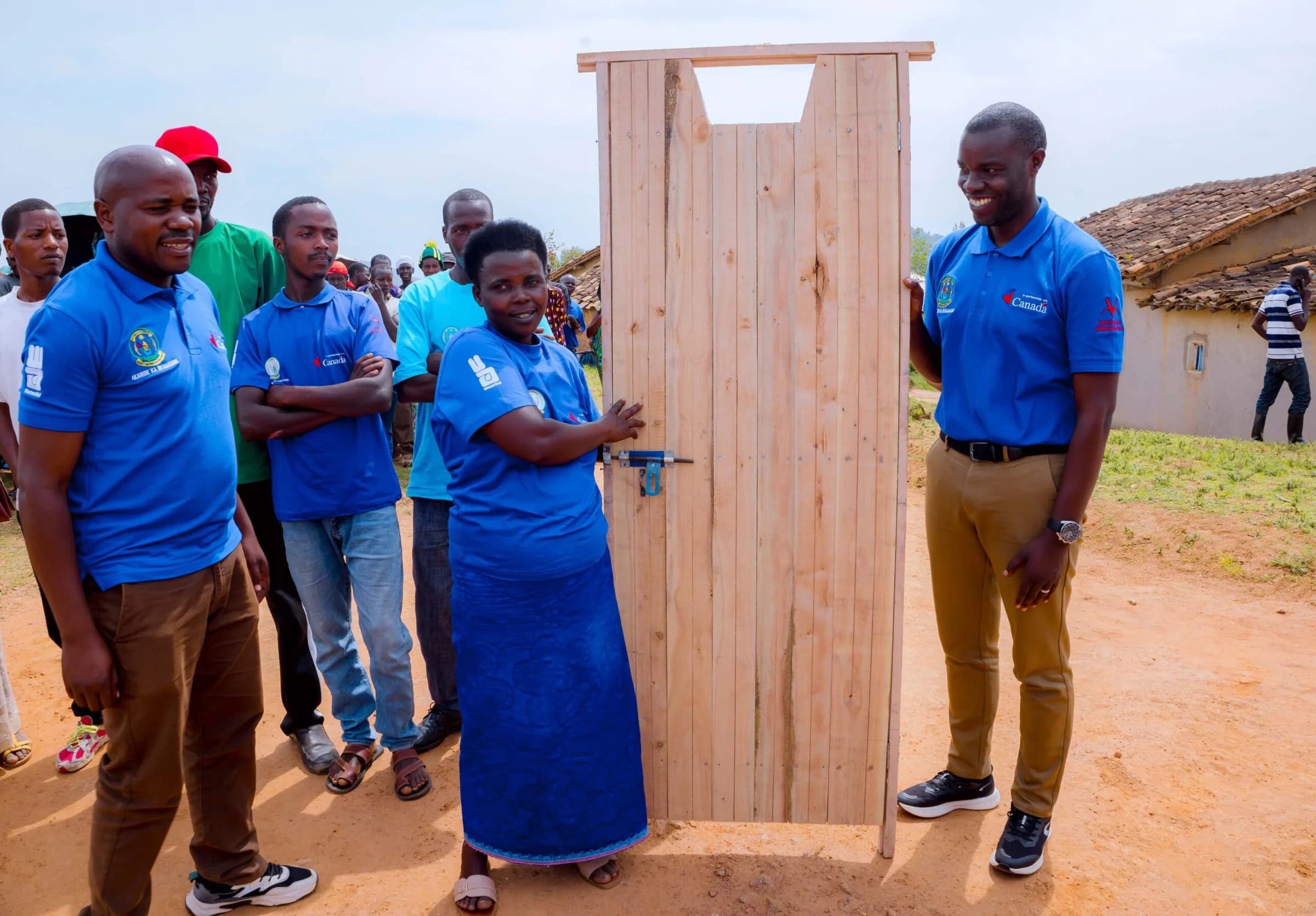
WaterAid Rwanda handed over construction materials such as iron sheets and doors to help families build improved toilets



Comments
No comments yet. Be the first to share a thought.