
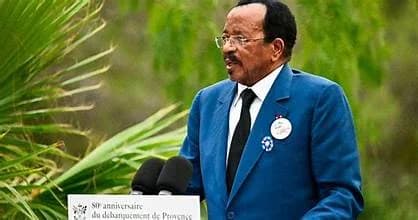
Cameroon will hold its presidential elections on Sunday, October 12, in a vote widely expected to extend the rule of President Paul Biya, Africa’s second-longest-serving leader. At 92, Biya is seeking an eighth term in office, having led the country since 1982. The Central African nation a major cocoa and oil producer faces multiple challenges, including high youth unemployment, rising food prices, and persistent insecurity caused by Boko Haram attacks in the Far North and the ongoing Anglophone separatist conflict in the South and Northwest regions. About 8.2 million Cameroonians aged 20 a
Cameroon will hold its presidential elections on Sunday, October 12, in a vote widely expected to extend the rule of President Paul Biya, Africa’s second-longest-serving leader. At 92, Biya is seeking an eighth term in office, having led the country since 1982. The Central African nation a major cocoa and oil producer faces multiple challenges, including high youth unemployment, rising food prices, and persistent insecurity caused by Boko Haram attacks in the Far North and the ongoing Anglophone separatist conflict in the South and Northwest regions. About 8.2 million Cameroonians aged 20 and above are eligible to cast their ballots. However, voter apathy is a major concern, as many citizens doubt the credibility of an electoral system often seen as favoring the ruling party. Twelve candidates are running for president. The winner needs a simple majority to secure victory. Here are some of the key contenders:
Paul Biya (Cameroon People’s Democratic Movement – RDPC) Biya has ruled Cameroon for over four decades and is widely expected to win again. His main rival from the 2018 election, Maurice Kamto, who garnered 14% of the vote then, has been barred from running this time. Analysts say Biya’s control over his party and opposition divisions have helped him maintain power.
Akere Muna (Univers Party) A 73-year-old barrister and former vice president of Transparency International, Muna is known as “Mr. Clean” for his anti-corruption stance. He promises to fight corruption and resolve the Anglophone crisis. He previously withdrew from the 2018 race to back Kamto.
Cabral Libii (Cameroon Party for National Reconciliation – PCRN) A 45-year-old journalist and reformist, Libii is campaigning on an anti-corruption platform and calling for national unity.
Joshua Osih (Social Democratic Front – SDF) The 56-year-old Anglophone politician is advocating for peace and reconciliation in the conflict-hit English-speaking regions. He has vowed to “liberate” Cameroon from Biya’s long rule.
Hermine Patricia Toimaino Ndam Njoya (Democratic Union of Cameroon – UDC) At 56, Njoya is one of only three women ever to run for president in Cameroon. A seasoned lawmaker and mayor of Foumban, she calls for greater inclusion of women in leadership.
Bello Bouba Maigari (National Union for Democracy and Progress – UNDP) The 78-year-old former tourism minister recently resigned from Biya’s government. He hails from the violence-affected Far North region and promises to address insecurity and development there.
Issa Tchiroma Bakary (Front for the National Salvation of Cameroon – FSNC) The 76-year-old former employment minister is campaigning to revive the economy and end insecurity. His energetic nationwide tours have earned him attention among disenchanted voters.
Under Biya’s leadership, Cameroon has faced deep-rooted corruption, sluggish economic growth, and political stagnation despite its natural wealth. Many citizens express frustration over the government’s failure to address poverty, youth unemployment, and the ongoing conflicts that have displaced thousands. Biya’s long absences from the country have also drawn criticism. A 2018 media investigation revealed he spent more than 1,600 days nearly four and a half years in Switzerland during his presidency, mostly for private and medical reasons. Manu Lekunze, a lecturer in international relations at the University of Aberdeen, told
Al Jazeera
that Biya has maintained power through “tactical control” of his party and by exploiting divisions within opposition groups. “He uses a divide-and-rule approach to prevent any major challenger from gaining momentum,” Lekunze said. If Biya wins again, his new term would extend his rule beyond 50 years, making him one of the world’s longest-serving leaders. As Cameroon heads to the polls, many observers will be watching closely to see whether the elections bring any meaningful change or further entrench the political status quo.



Comments
No comments yet. Be the first to share a thought.