
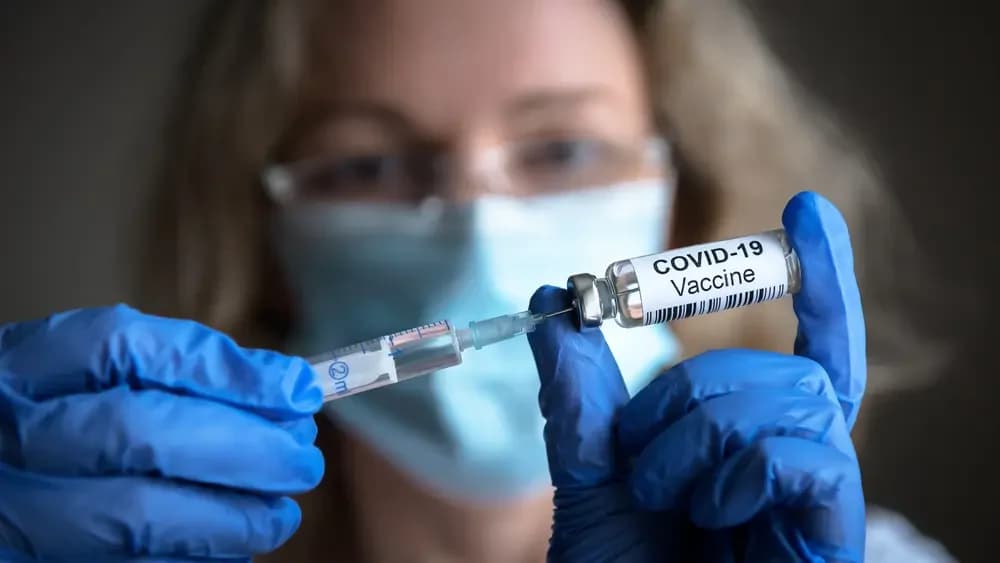
The World Health Organization (WHO) has reiterated the continued use of monovalent COVID-19 vaccines based on the JN.1 lineage, following a comprehensive review by its Technical Advisory Group on COVID-19 Vaccine Composition (TAG-CO-VAC). The group met on 6–7 May 2025 to assess the latest data on SARS-CoV-2 variant evolution, immune responses, and vaccine effectiveness, issuing updated guidance for manufacturers and public health authorities worldwide. The TAG-CO-VAC advises that monovalent vaccines based on JN.1 (and its derivative KP.2) remain appropriate for continued use, while also endor
The World Health Organization (WHO) has reiterated the continued use of monovalent COVID-19 vaccines based on the JN.1 lineage, following a comprehensive review by its Technical Advisory Group on COVID-19 Vaccine Composition (TAG-CO-VAC). The group met on 6–7 May 2025 to assess the latest data on SARS-CoV-2 variant evolution, immune responses, and vaccine effectiveness, issuing updated guidance for manufacturers and public health authorities worldwide. The TAG-CO-VAC advises that monovalent vaccines based on JN.1 (and its derivative KP.2) remain appropriate for continued use, while also endorsing LP.8.1 as a suitable alternative antigen. Several vaccines with these formulations have already been authorized and integrated into vaccination programmes across various countries since the latter half of 2024.
Key Evidence Reviewed
The TAG-CO-VAC assessed both published and unpublished data, including:
Ongoing genetic evolution of SARS-CoV-2, with input from WHO’s Virus Evolution Group;
Antigenic characteristics of emerging variants using neutralization studies and antigenic mapping;
Immunogenicity studies showing robust antibody responses from both animal and human subjects vaccinated with monovalent JN.1 or KP.2;
Preliminary vaccine effectiveness (VE) data, indicating additional protection against symptomatic and severe COVID-19 during circulation of JN.1-derived variants;
Confidential pre-clinical and clinical data shared by vaccine manufacturers.
According to WHO, JN.1 and its descendent lineages—such as KP.3.1.1, XEC, LF.7.2.1, and LP.8.1—remain antigenically similar, showing strong cross-neutralization. However, antibody responses to LP.8.1 were generally slightly lower than those elicited by homologous JN.1 or KP.2 antigens.
Current Variant Landscape
As of May 2025, SARS-CoV-2 continues to circulate globally. Most currently circulating variants are derived from JN.1, with a gradual rise in the presence of VOI LF.7 and VUM LP.8.1. Some nations have reported increased hospitalization and mortality rates among children under 1 year old, although older adults and individuals with pre-existing conditions remain the most affected. Despite gaps in global case and genomic surveillance, the TAG-CO-VAC emphasizes the virus’s continued threat, including severe illness and post-COVID conditions.
Vaccine Effectiveness and Limitations
Available data from both human and animal models show that monovalent JN.1 and KP.2 vaccines continue to produce strong immune responses across a broad range of circulating variants. Initial VE studies suggest these vaccines offer significant incremental protection compared to previously acquired immunity, though more extensive data are needed. Nevertheless, the TAG-CO-VAC highlights several limitations, including:
Persistent underreporting of cases and genetic sequences;
Limited data on cellular immunity and other immune responses beyond antibodies;
Lack of VE data from diverse geographical and demographic populations;
Unpredictability regarding future variant evolution.
Recommendations
WHO continues to recommend that countries administer available COVID-19 vaccines in accordance with the Strategic Advisory Group of Experts on Immunization (SAGE) guidance. Immunization efforts should not be delayed in anticipation of updated formulations. Monovalent JN.1 or KP.2 vaccines are considered effective, while LP.8.1 presents a promising alternative. The Advisory Group also supports exploring new vaccine strategies that provide broader protection and reduce transmission.
Call for Further Research
To address current data gaps and enhance global preparedness, TAG-CO-VAC urges:
Expanded immunogenicity and VE studies across diverse human populations;
Strengthened genomic and epidemiological surveillance;
Clinical trials of candidate vaccines using antigens from more recent variants;
Research into vaccines that could reduce virus transmission in addition to disease prevention.
As SARS-CoV-2 continues to evolve, the WHO and its advisory teams remain committed to monitoring variant dynamics and guiding global vaccination strategies.



Comments
No comments yet. Be the first to share a thought.