
Wearing a watch on the left wrist is a tradition that has deepest historical roots. This practice can be traced back to the habits of nobility in the 18th century. Aristocrats wore their watches on the left wrist not only as a symbol of status but also for practical reasons. Wristwatches first began to become popular around the time of the Boer War. Back then, they were literally nothing more than a custom fitted leather pouch for a common pocket watch that could strap to your arm. Officers used watches to help coordinate military activities, and they were fairly large and awkward. These poc
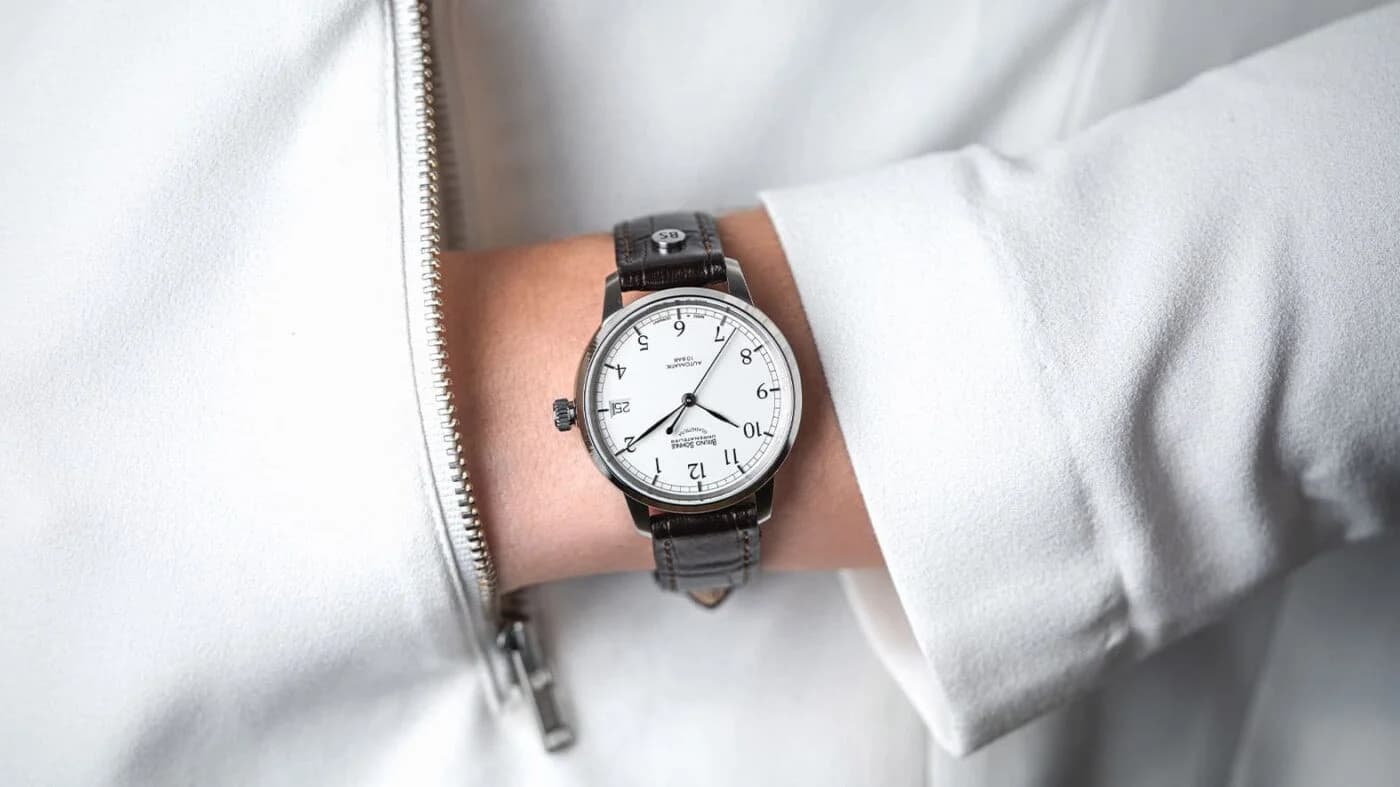
Wearing a watch on the left wrist is a tradition that has deepest historical roots. This practice can be traced back to the habits of nobility in the 18th century. Aristocrats wore their watches on the left wrist not only as a symbol of status but also for practical reasons. Wristwatches first began to become popular around the time of the Boer War. Back then, they were literally nothing more than a custom fitted leather pouch for a common pocket watch that could strap to your arm. Officers used watches to help coordinate military activities, and they were fairly large and awkward. These pocket watches were big because they had huge balance wheels that will break very easily if you bang the watch against something. Watches at that time weren't hugely expensive, they were still in the same class as a buying a modern house appliance. So, they were worn on the non-dominant hand trying to protect the watch from a bump or scratch. According to beaubleu-paris.com, most people are right-handed, so wearing their watch on the left wrist allows them to keep their right hand free for movement and tasks. This makes sense because using the right hand is more common for many daily activities. The choice to wear a watch on the left wrist also is because it helps in protecting the watch from damages. Since the watch is often fragile, wearing it on the less active hand reduces the risk of scratches or breakage. Over time, watchmakers adapted their designs based on this tradition. They placed the winding crowns on the right side of watches, making it easier to adjust the time when worn on the left wrist. As a result, wearing a watch on the left wrist became the accepted norm for all genders. However, there are practical advantages to following this norm, especially for right-handed individuals. For example, you wear a watch on your left wrist, you are less likely to accidentally scratch or break it with your dominant hand. Additionally, it is easier to see the time and make adjustments without having to take the watch off. Although most right-handed people wear their watches on the left wrist, left-handed individuals often prefer the right wrist, leading to the creation of "left-hand models" by some brands. These models have the crown on the left side, allowing left-handed users to access it easily. It’s important to remember that wearing a watch is about personal comfort. You don’t have to conform to the stereotype of wearing your watch on the left wrist. What matters most is what feels comfortable for you, regardless of whether you’re left-handed or right-handed." While wearing a watch on the left wrist has historical and practical reasons, feel free to wear it on whatever wrist works best for you. The most important thing is that you enjoy wearing your watch, no matter where you wear it. Wearing a watch on the left wrist is a tradition that has deepest historical roots. This practice can be traced back to the habits of nobility in the 18th century. Aristocrats wore their watches on the left wrist not only as a symbol of status but also for practical reasons. Wristwatches first began to become popular around the time of the Boer War. Back then, they were literally nothing more than a custom fitted leather pouch for a common pocket watch that could strap to your arm. Officers used watches to help coordinate military activities, and they were fairly large and awkward. These pocket watches were big because they had huge balance wheels that will break very easily if you bang the watch against something. Watches at that time weren't hugely expensive, they were still in the same class as a buying a modern house appliance. So, they were worn on the non-dominant hand trying to protect the watch from a bump or scratch. According to beaubleu-paris.com, most people are right-handed, so wearing their watch on the left wrist allows them to keep their right hand free for movement and tasks. This makes sense because using the right hand is more common for many daily activities. The choice to wear a watch on the left wrist also is because it helps in protecting the watch from damages. Since the watch is often fragile, wearing it on the less active hand reduces the risk of scratches or breakage. Over time, watchmakers adapted their designs based on this tradition. They placed the winding crowns on the right side of watches, making it easier to adjust the time when worn on the left wrist. As a result, wearing a watch on the left wrist became the accepted norm for all genders. However, there are practical advantages to following this norm, especially for right-handed individuals. For example, you wear a watch on your left wrist, you are less likely to accidentally scratch or break it with your dominant hand. Additionally, it is easier to see the time and make adjustments without having to take the watch off. Although most right-handed people wear their watches on the left wrist, left-handed individuals often prefer the right wrist, leading to the creation of "left-hand models" by some brands. These models have the crown on the left side, allowing left-handed users to access it easily. It’s important to remember that wearing a watch is about personal comfort. You don’t have to conform to the stereotype of wearing your watch on the left wrist. What matters most is what feels comfortable for you, regardless of whether you’re left-handed or right-handed." While wearing a watch on the left wrist has historical and practical reasons, feel free to wear it on whatever wrist works best for you. The most important thing is that you enjoy wearing your watch, no matter where you wear it.



Comments
No comments yet. Be the first to share a thought.