
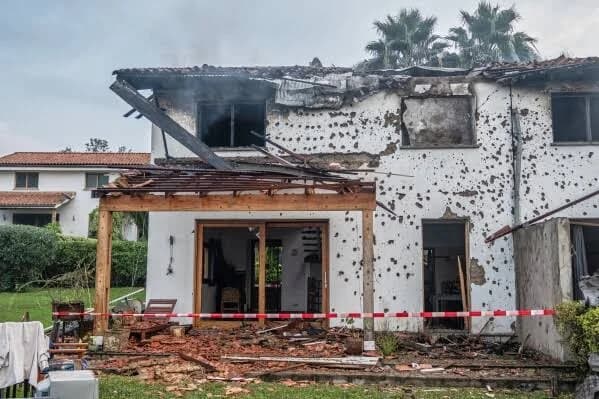
Goma, DRC - 11 th March 2026 , In the early hours of this Wednesday, a drone strike tore through a residential building in the Himbi neighborhood of Goma, killing Karine Buisset, a French national and dedicated UNICEF humanitarian. The attack, which also claimed the lives of at least two other civilians, marks a significant and dangerous escalation in the conflict between the Congolese government (FARDC) and the M23 rebel group. While the physical evidence of the strike is undeniable, a conspicuous silence has settled over the international community regarding the definitive identity of the sh
Goma, DRC - 11th March 2026
, In the early hours of this Wednesday, a drone strike tore through a residential building in the Himbi neighborhood of Goma, killing Karine Buisset, a French national and dedicated UNICEF humanitarian. The attack, which also claimed the lives of at least two other civilians, marks a significant and dangerous escalation in the conflict between the Congolese government (FARDC) and the M23 rebel group. While the physical evidence of the strike is undeniable, a conspicuous silence has settled over the international community regarding the definitive identity of the shooter. Despite high tech surveillance in the region, global powers and UN bodies have largely stuck to condemning the act rather than naming the actor. The strike occurred in a city currently under the control of the M23 rebels, who seized Goma in early 2025. In the immediate aftermath, the M23 spokesperson, Lawrence Kanyuka, explicitly blamed the terrorist regime of Kinshasa (the DRC government) for the attack. Conversely, the Congolese military has remained silent or issued denials regarding similar past operations.
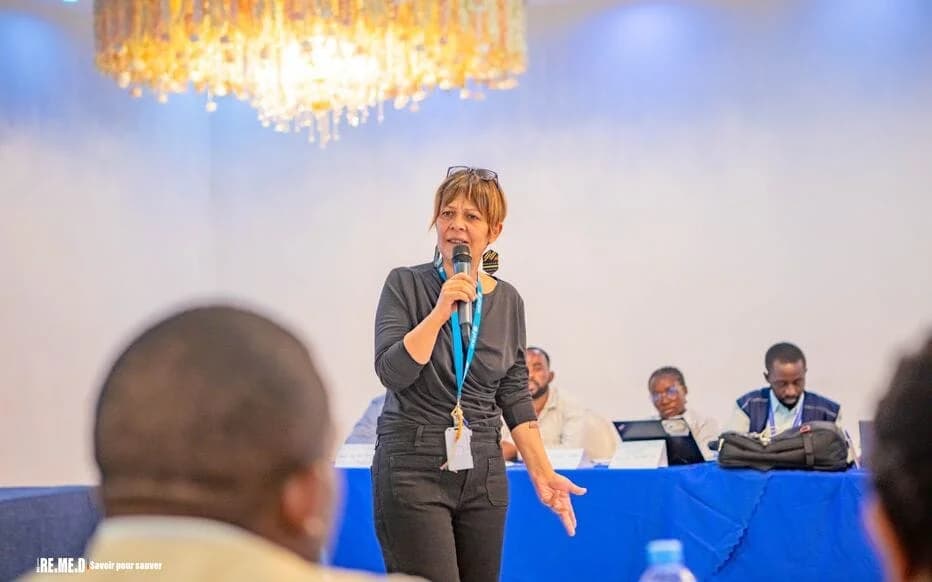
Karine Buisset, a French national and dedicated UNICEF humanitarian who died from the drone strike
The region has seen a surge in drone technology from DRC side, The FARDC has recently acquired long range combat drones, so naming a culprit carries massive legal and diplomatic risks. For UNICEF and MONUSCO (the UN mission in DRC), naming a perpetrator without a completed independent and credible investigation could jeopardize the safety of remaining staff on the ground. If the UN blames the DRC government, they risk losing the sovereign host’s cooperation. French President Emmanuel Macron and UN Secretary-General António Guterres have expressed outrage and fury, yet their statements notably omit a specific culprit, instead calling for a general respect for international humanitarian law. This strategic ambiguity may serve short term diplomatic stability, but it leaves the family of Karine Buisset and the people of Goma in a state of justice delayed. As drone warfare becomes the new norm in the DRC’s mineral rich east, the refusal to name the shooter sets a harrowing precedent, in the age of remote warfare, those who pull the trigger from miles away can remain invisible, even when they strike the heart of the humanitarian community.



Comments
No comments yet. Be the first to share a thought.