
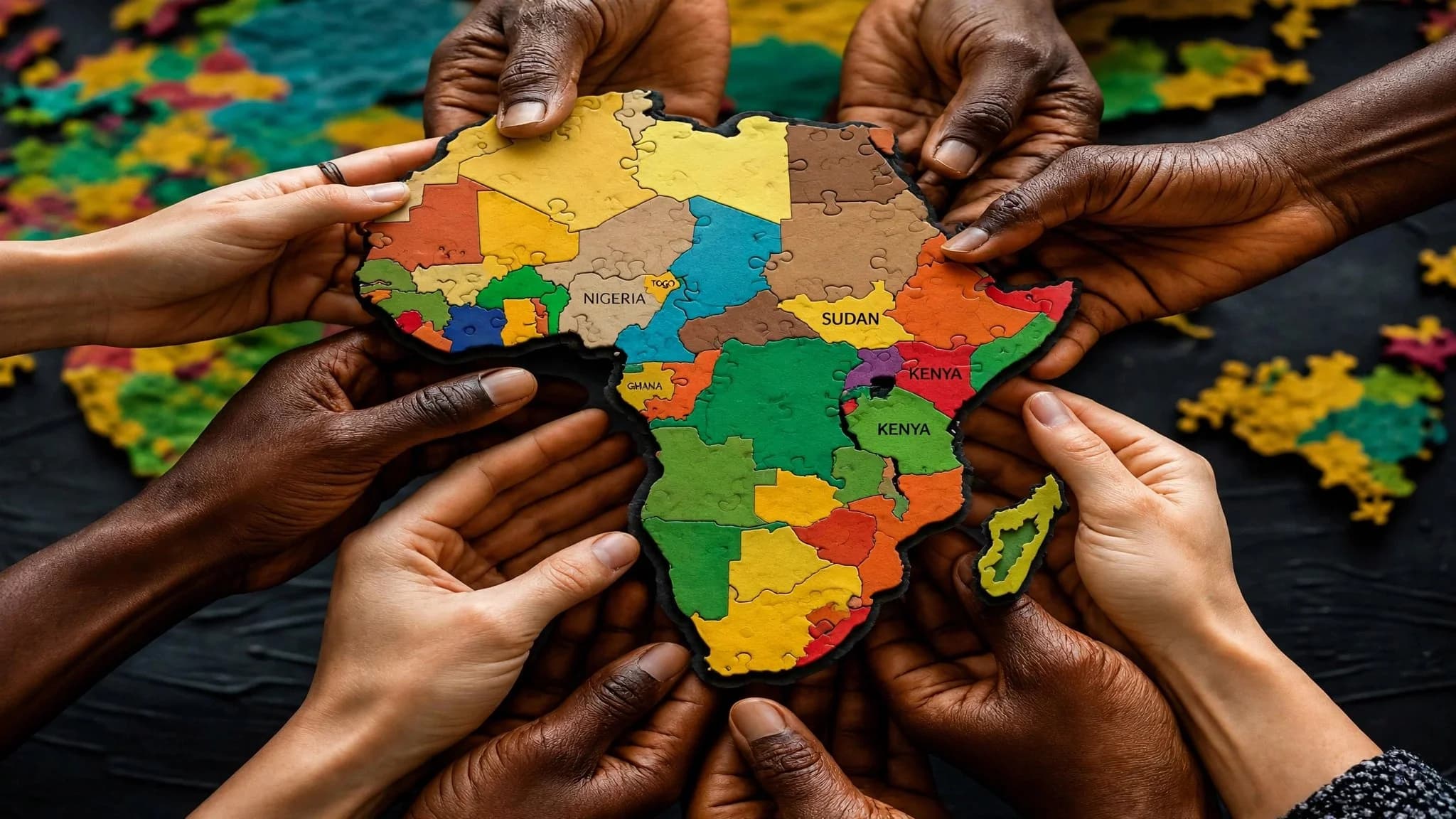
For decades, Africa was often presented to the world through stories of conflict, poverty, disease and political instability. Those challenges remain real, but they have never represented the full picture of the continent. That perception is now changing. Governments, investors, technology companies and multinational corporations are paying greater attention to Africa as the global economy enters a new era driven by artificial intelligence, renewable energy, electric vehicles, biotechnology and advanced manufacturing. Africa possesses many of the critical minerals required for these industr
For decades, Africa was often presented to the world through stories of conflict, poverty, disease and political instability. Those challenges remain real, but they have never represented the full picture of the continent. That perception is now changing. Governments, investors, technology companies and multinational corporations are paying greater attention to Africa as the global economy enters a new era driven by artificial intelligence, renewable energy, electric vehicles, biotechnology and advanced manufacturing. Africa possesses many of the critical minerals required for these industries, including cobalt, lithium, manganese, graphite, copper and platinum. This gives the continent growing strategic importance as countries compete to secure resources needed for the global energy and technology transition. But Africa’s greatest asset may not be underground. It is its people. Africa has the youngest population of any continent, and its population is expected to approach 2.5 billion by 2050. This could create a powerful workforce and consumer market capable of driving economic growth, innovation and entrepreneurship. However, demographics alone will not create prosperity. The continent must invest in education, healthcare, skills, infrastructure and employment if its young population is to become a genuine economic advantage. Technology is already changing the equation. Mobile phones, digital payments and online platforms have allowed millions of Africans to access services that were previously difficult to reach. Entrepreneurs are building businesses in finance, agriculture, healthcare, education, logistics and technology, sometimes bypassing traditional stages of development. The African Continental Free Trade Area also offers the possibility of deeper economic integration, stronger regional supply chains and greater trade among African countries. Yet Africa’s growing global importance comes with responsibility. Resources, population and investment will not automatically produce prosperity. Strong institutions, effective leadership and policies that support innovation will determine how much of this opportunity becomes reality. The world is beginning to recognise that Africa will play a major role in the future global economy. The question now is not whether Africa matters. It is whether the continent can turn its resources, people and ideas into lasting prosperity.



Comments (1)
Thanks for the clear explanation. This is exactly the context I was looking for.