
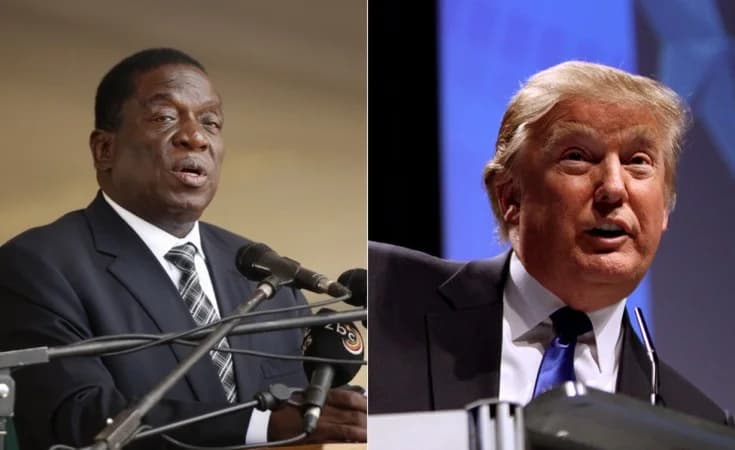
In a move that has sent shockwaves through the global health community, the Zimbabwean government has officially terminated negotiations for a $367 million health aid package from the USA. Citing blatant violations of national sovereignty and lopsided conditions, President Emmerson Mnangagwa’s administration has opted to walk away from a deal that would have funded critical HIV/AIDS, malaria, and maternal health programs for the next five years. The US has responded by announcing a complete wind-down of its health assistance in the country, leaving the fate of 1.2 million people currently on
In a move that has sent shockwaves through the global health community, the Zimbabwean government has officially terminated negotiations for a $367 million health aid package from the USA. Citing blatant violations of national sovereignty and lopsided conditions, President Emmerson Mnangagwa’s administration has opted to walk away from a deal that would have funded critical HIV/AIDS, malaria, and maternal health programs for the next five years. The US has responded by announcing a complete wind-down of its health assistance in the country, leaving the fate of 1.2 million people currently on US funded life saving treatment in the balance. At the heart of the collapse is a new US framework known as the America First Global Health Strategy. According to Zimbabwean government spokesperson Nick Mangwana, the memorandum of understanding (MOU) required Zimbabwe to provide the US with comprehensive access to sensitive health data, including biological virus samples and citizen epidemiological information.
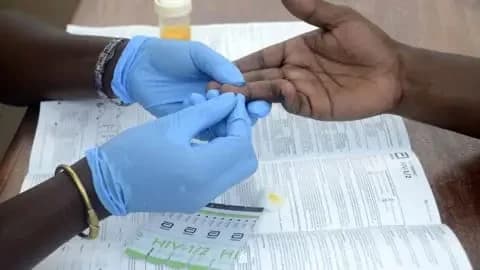
Zimbabwean officials argued that the deal lacked reciprocity. "Our nation would provide the raw materials for scientific discovery without any assurance that the end products, vaccines or treatments would be accessible to our people," Mangwana stated. Furthermore, leaked reports suggest the US attempted to link the health funding to access to Zimbabwe's critical mineral resources, a move Harare viewed as economic blackmail. Zimbabwe’s rejection also serves as a protest against the US withdrawal from the World Health Organization (WHO). Harare officials criticized the proposed bilateral agreement as an attempt to bypass international systems designed for equitable benefit sharing. By refusing the deal, Zimbabwe claims it is defending the multilateral order over a unilateral American agenda.
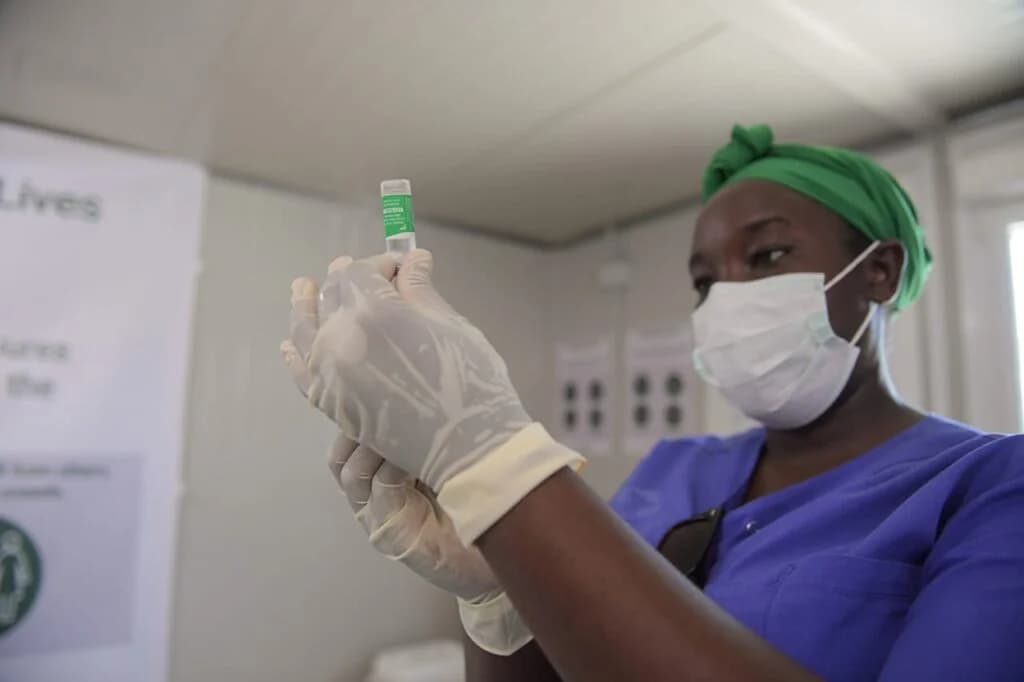
While the government maintains it can manage its own health response, medical experts are sounding the alarm. The US has been Zimbabwe's largest health donor for decades, contributing nearly $2 billion since 2006. While Zimbabwe stands firm on its right to control its biological and mineral wealth, the immediate challenge will be finding the domestic resources to fill a $367 million hole in its budget. If the government’s gamble fails, the cost may be measured not in dollars, but in lives.



Comments
No comments yet. Be the first to share a thought.