
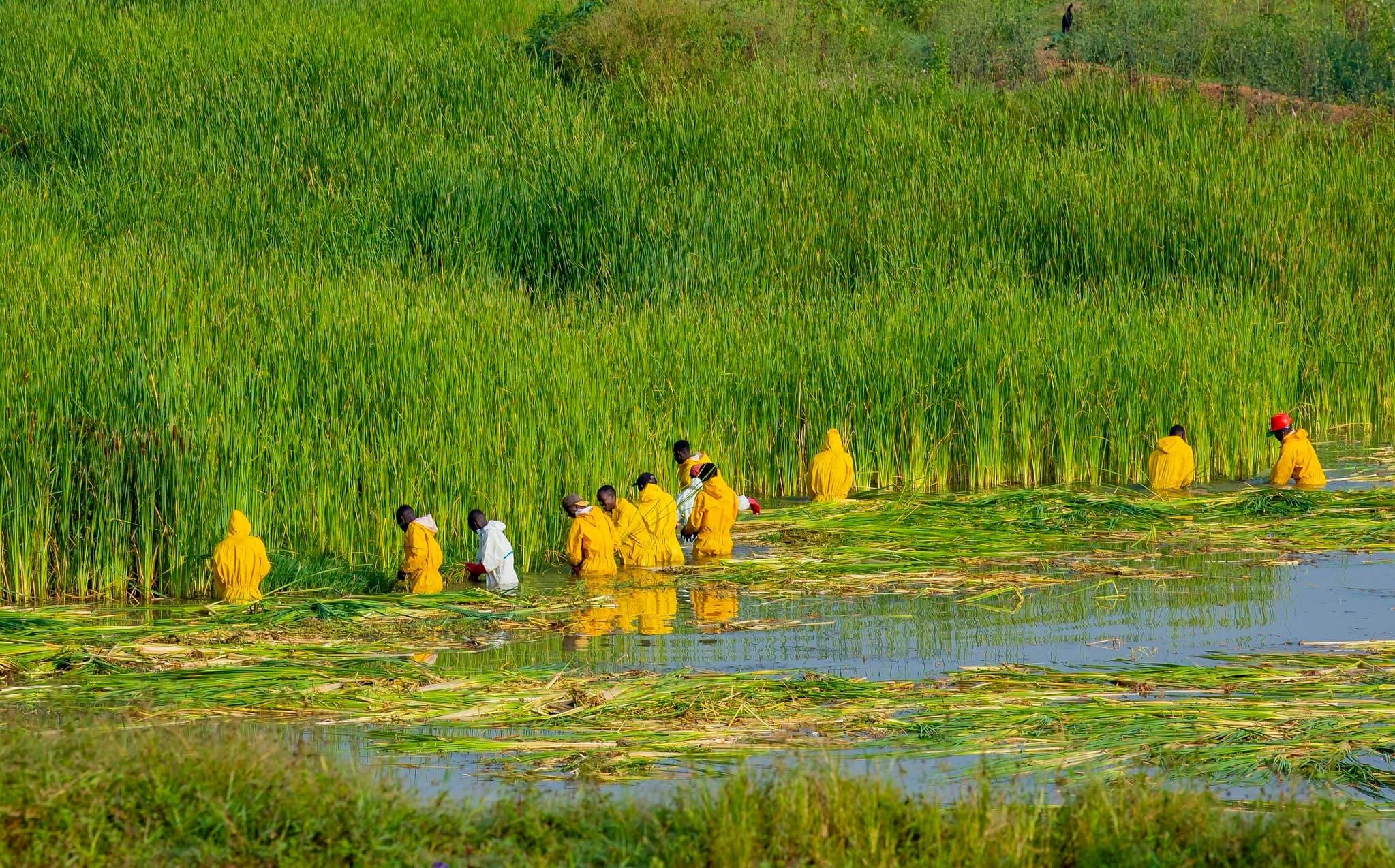
As Rwanda joins the rest of the world in celebrating World Environment Day while marking the 20th anniversary of the Rwanda Environment Management Authority (REMA), it is a fitting moment to reflect on the institution’s remarkable journey and its contribution to environmental conservation and sustainable development. Established in 2005, REMA was created to coordinate and oversee environmental protection efforts across the country. At a time when Rwanda was rebuilding and pursuing rapid socio-economic development, the government recognized that long-term progress could only be achieved throug
As Rwanda joins the rest of the world in celebrating World Environment Day while marking the 20th anniversary of the Rwanda Environment Management Authority (REMA), it is a fitting moment to reflect on the institution’s remarkable journey and its contribution to environmental conservation and sustainable development. Established in 2005, REMA was created to coordinate and oversee environmental protection efforts across the country. At a time when Rwanda was rebuilding and pursuing rapid socio-economic development, the government recognized that long-term progress could only be achieved through the sustainable management of natural resources and environmental protection. Over the past two decades, REMA has played a pivotal role in shaping Rwanda’s environmental policies, strategies, and programs. The institution has led efforts to combat soil erosion, protect forests and wetlands, reduce pollution, and promote the sustainable use of natural resources. Through these initiatives, environmental protection has become an integral part of Rwanda’s national development agenda. One of REMA’s most notable achievements has been its contribution to reducing plastic waste. Rwanda’s firm stance against plastic bags and other environmentally harmful materials has earned international recognition and helped position the country among the cleanest nations in Africa. REMA has also been at the forefront of addressing climate change. Through various adaptation, mitigation, and resilience-building programs, the institution has supported communities in preparing for environmental challenges such as floods, landslides, droughts, and changing weather patterns that affect agriculture and livelihoods. Beyond conservation efforts, REMA has invested significantly in environmental education and public awareness campaigns. By working closely with schools, local communities, government institutions, civil society organizations, and private-sector partners, the agency has encouraged citizens to actively participate in protecting and preserving the environment. The success achieved by REMA over the last 20 years has been driven by strong partnerships. The institution collaborates with government agencies, development partners, researchers, civil society organizations, and the private sector to implement projects that promote sustainable growth while safeguarding the environment. As part of the celebrations marking its 20th anniversary, REMA’s leadership expressed gratitude to all stakeholders and partners who have contributed to the institution’s achievements. The message emphasized the importance of continued collaboration in addressing emerging environmental challenges and building a greener, more resilient Rwanda. Today, REMA’s mission extends beyond environmental protection alone. The institution plays a vital role in supporting Rwanda’s vision for sustainable development, green economic growth, and climate resilience. Its work continues to influence policies and initiatives aimed at improving the quality of life for both present and future generations. While the achievements of the past two decades are significant, environmental challenges remain. Climate change, rapid urbanization, population growth, and increasing pressure on natural resources require sustained commitment from institutions, communities, and individuals alike. As REMA celebrates 20 years of service, the anniversary serves not only as a celebration of past accomplishments but also as a reminder that environmental protection is a shared responsibility. The future of Rwanda’s environment depends on continued cooperation, innovation, and collective action. Twenty years after its establishment, REMA stands as a symbol of Rwanda’s commitment to environmental sustainability demonstrating that environmental conservation and socio-economic development can successfully go hand in hand. “Ibidukikije ni ubuzima, kandi kubirinda ni inshingano ya buri wese.” (The environment is life, and protecting it is everyone’s responsibility.)



Comments
No comments yet. Be the first to share a thought.