
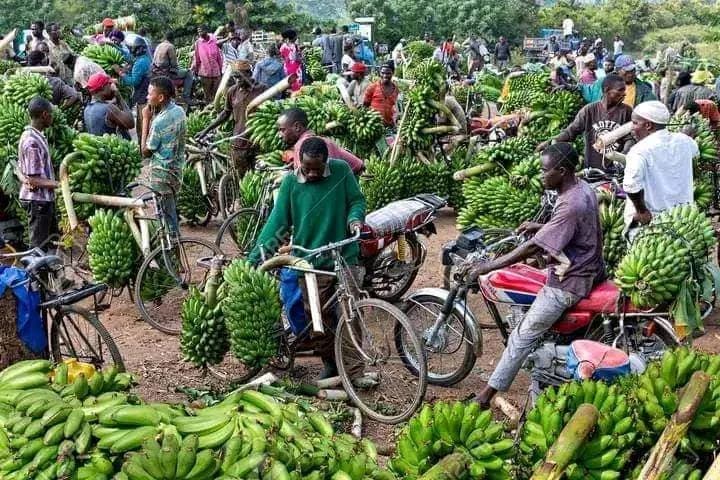
Over the past three decades, Rwanda has made remarkable strides in transforming its agricultural sector to support sustainable growth, uplift communities, and food security. From a country with a struggling agricultural landscape to a nation committed to empowering local farmers, Rwanda’s journey is a testament to the power of resilience and innovation. This article reflects on the importance of agriculture in Rwanda's development journey, and how empowering local communities has played a crucial role in transforming lives. The Transformation of Agriculture in Rwanda: 30 Years of Growth Rw
Over the past three decades, Rwanda has made remarkable strides in transforming its agricultural sector to support sustainable growth, uplift communities, and food security. From a country with a struggling agricultural landscape to a nation committed to empowering local farmers, Rwanda’s journey is a testament to the power of resilience and innovation. This article reflects on the importance of agriculture in Rwanda's development journey, and how empowering local communities has played a crucial role in transforming lives. The Transformation of Agriculture in Rwanda: 30 Years of Growth Rwanda’s commitment to developing its agricultural sector has been a cornerstone of its economic recovery and national resilience. Recognizing agriculture as a key to economic independence, the Rwandan government initiated policies and programs aimed at modernizing the sector, increasing food security, and improving livelihoods for millions of Rwandans This transformation journey began with the Rwandan Patriotic Front (RPF) leadership's dedication to restoring peace, stability, and prosperity in a nation after the 1994 Genocide against the Tutsi. National Agricultural Policy (NAP) and Vision 2020 The NAP, established as part of Rwanda’s Vision 2020, set forth an ambitious plan to reduce poverty by creating sustainable agricultural practices, improving land use, and promoting research. Key initiatives included the intensification of crop production, investment in infrastructure like roads and storage facilities, and development of a value-added approach to agriculture. Through Vision 2020, Rwanda’s focus shifted toward modern farming techniques, allowing farmers to produce more on less land and create sustainable income sources. Land Consolidation and Crop Intensification Programs (CIP)
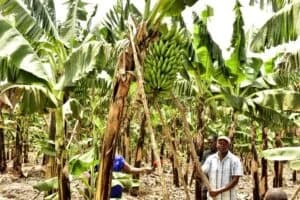
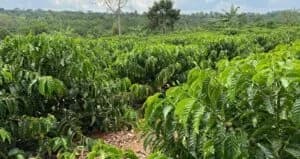
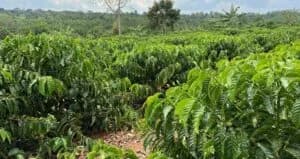
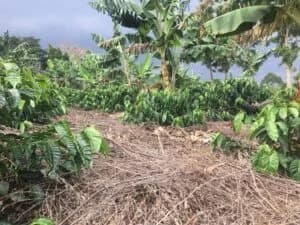
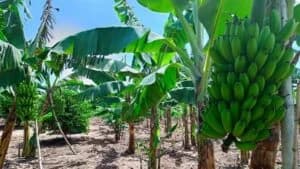
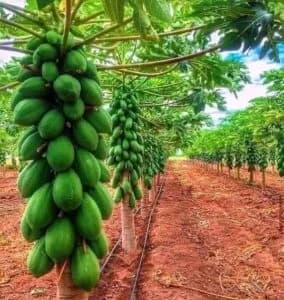
Launched in 2007, the Crop Intensification Program (CIP) aimed to address food insecurity and increase crop productivity through land consolidation and improved agricultural practices. By consolidating land, farmers gained access to better seeds, fertilizers, and training, significantly enhancing yields. CIP has been pivotal in enabling Rwanda to become largely self-sufficient in staple crops like maize, beans, and potatoes, which not only feeds local populations but also reduces dependency on food imports. Gira inka (One Cow per Family) Program
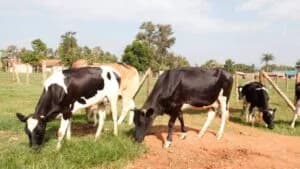
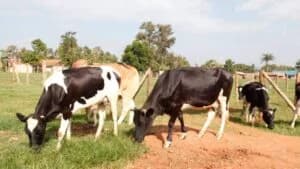
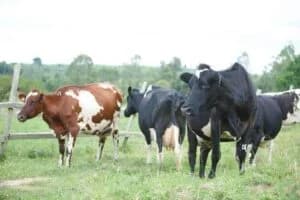
One of the most successful social programs linked to agriculture has been the Gira inka program, initiated in 2006, which aimed to combat malnutrition and poverty by providing a cow to each poor household. This program has empowered over 400,000 households by providing families with milk, income, and organic fertilizer. Gira Inka has also fostered community solidarity, as beneficiaries are encouraged to gift the first female offspring to another family in need, thus creating a cycle of support and prosperity. Empowering Local Communities through Agricultural Innovation
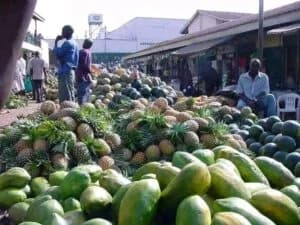
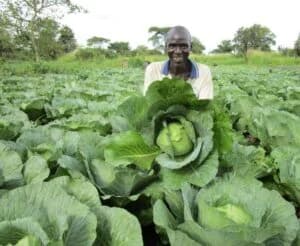
Rwanda's progress has not only been about policy change but also about empowering local communities to become active contributors to the nation’s agricultural success. The government’s emphasis on capacity building, financing options, and technology adoption has given local farmers the tools and knowledge they need to thrive. Agricultural Extension Services and Training
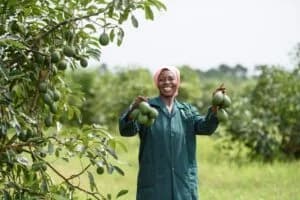
The establishment of farmer field schools, training programs, and agricultural extension services has empowered local farmers by providing them with essential knowledge on modern farming practices. These services offer guidance on sustainable practices, pest control, crop diversification, and efficient water usage, enabling farmers to adapt to changing climate conditions. Through these efforts, Rwanda has strengthened its agricultural resilience and empowered farmers to sustain themselves and their communities. Access to Financial Services and Cooperative Formation
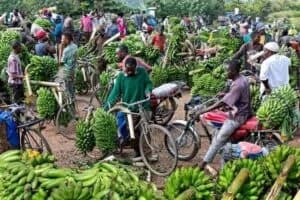
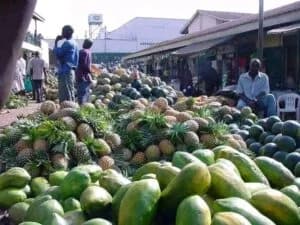
The development of savings and credit cooperatives, locally known as SACCOs, has allowed farmers to access affordable loans and save for future investments. These cooperatives encourage collective action, giving farmers more bargaining power and increasing their participation in higher-value markets. Empowering communities through cooperatives has significantly improved the economic stability of local farmers and facilitated investments in equipment, seeds, and fertilizers. Digital Technology in Agriculture
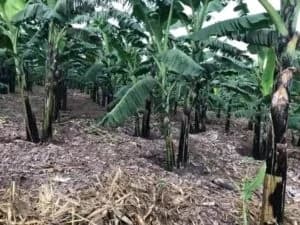

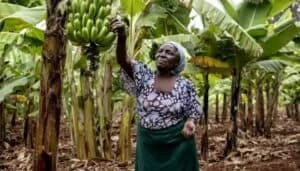
Rwanda has embraced digital solutions to streamline agricultural activities and increase efficiency. Mobile platforms, like e-Soko, provide real-time market information to farmers, allowing them to make informed decisions on when and where to sell their produce. Digitalization has helped eliminate middlemen, ensuring farmers receive fair prices for their products and directly benefiting local communities by increasing their incomes. Agriculture as a Pathway to Economic and Social Empowerment


Rwanda’s commitment to empowering its people through agriculture has had a profound impact on poverty reduction, food security, and community well-being. Today, agriculture accounts for more than 30% of Rwanda’s GDP, employing about 70% of the population. Empowering local communities has helped create a more equitable and inclusive society, providing opportunities for marginalized groups, especially women and youth, to participate in the economy and improve their living conditions. Women in Agriculture
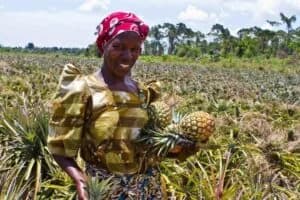
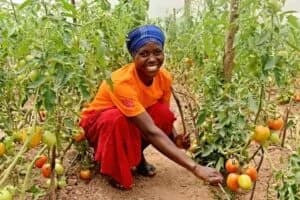
Recognizing the pivotal role women play in agriculture, Rwanda has implemented programs to support female farmers by providing them with access to land, resources, and training. Women make up a significant portion of the agricultural workforce, and their involvement in leadership roles within cooperatives has increased, allowing them to advocate for community needs and contribute to household income. Youth Engagement in Agriculture
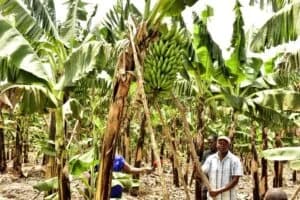
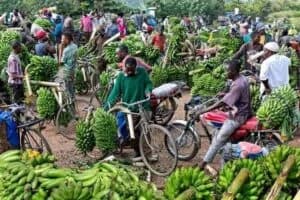
With a growing population of young people, Rwanda has prioritized youth engagement in agriculture as a way to create job opportunities and reduce rural-urban migration. Initiatives like Youth Agribusiness Incubation Centers and Hanga Umurimo (Create Your Own Job) encourage young people to view agriculture as a viable and profitable career. By integrating technology and entrepreneurship, young people are bringing fresh ideas to the sector, contributing to its sustainability and future growth.



Comments
No comments yet. Be the first to share a thought.