
Microsoft co-founder and philanthropist Bill Gates is in Rwanda on a private visit aimed at learning how the country has transformed its health sector through long-term investment in people, strong institutions and innovation. The visit reflects the Gates Foundation's continued partnership with Rwanda and comes as African countries seek to strengthen healthcare systems, embrace artificial intelligence (AI), and reduce dependence on external support. Gates began his visit in Rwamagana District, where he toured TKMD, a medical syringe manufacturing plant located in the Mwulire Industrial Park.
Microsoft co-founder and philanthropist Bill Gates is in Rwanda on a private visit aimed at learning how the country has transformed its health sector through long-term investment in people, strong institutions and innovation. The visit reflects the Gates Foundation's continued partnership with Rwanda and comes as African countries seek to strengthen healthcare systems, embrace artificial intelligence (AI), and reduce dependence on external support. Gates began his visit in Rwamagana District, where he toured TKMD, a medical syringe manufacturing plant located in the Mwulire Industrial Park. The facility, inaugurated in April 2025, produces between 600,000 and one million syringes per day for African markets. The factory employs 110 people, around 80% of whom are women. Its first shipments were purchased by UNICEF for distribution to countries including Ethiopia, Burundi, the Democratic Republic of the Congo and Mozambique. Since operations began, the plant has produced more than 22 million syringes and secured an additional UNICEF contract to manufacture 150 million more. The facility is expected to reduce syringe delivery times across East, Central and Southern Africa by as much as 90%, strengthening regional medical supply chains.
Learning from Rwanda's healthcare success
Before arriving in Rwanda, Gates described the country as one of Africa's most compelling development success stories during an interview with CNBC Africa. Rather than pointing to a single innovation, he said Rwanda's greatest achievement lies in the way it has consistently invested in people, built capable institutions and ensured public services reach communities. "What stands out to me is not one particular innovation, but the way the country's long-term investments in people, strong institutions and service delivery are translating into real progress," Gates said. He highlighted Rwanda's remarkable improvements in public health over the past two decades. Since 2000, deaths among children under five have fallen by 80%, while maternal deaths linked to pregnancy and childbirth have dropped by 85%. According to Gates, these achievements have been driven by sustained investment in primary healthcare, community health workers and institutions such as the Rwanda Biomedical Center (RBC). During his visit, Gates is expected to meet government officials, frontline healthcare workers, researchers, innovators and students to better understand how different sectors collaborate to improve people's lives.
Visiting Rwanda's community healthcare system
As part of his itinerary, Gates is also expected to visit Mwulire Health Centre and spend time with a community health worker. The visit will allow him to observe how Rwanda delivers healthcare services at the village level, including maternal care, disease prevention, early diagnosis and referral systems that connect patients with higher-level medical facilities. Community health workers have long been regarded as one of the pillars of Rwanda's healthcare model, helping extend essential services to even the country's most remote communities.
Investing in people remains Africa's best strategy
Speaking about Africa's current economic challenges, Gates acknowledged that declining international development assistance is forcing governments to make difficult spending decisions. However, he argued that limited resources should be directed toward interventions with the greatest impact. "Investing in primary healthcare means investing in a country's greatest resource—its people," he said. He praised African governments, including Rwanda's, for continuing to prioritize primary healthcare, disease prevention, early treatment and community health systems despite financial pressures. Gates also pointed to reforms underway in countries such as Senegal and Zambia, where Health Transformation Units are improving coordination and helping governments maximize limited healthcare resources. Last year, the Gates Foundation announced plans to invest $200 billion over the next two decades, with the majority of that funding expected to support African countries. According to Gates, sustainable development will ultimately depend on stronger domestic leadership and institutions rather than external aid alone.
Africa's youth can drive the next wave of innovation
Gates said Africa's greatest competitive advantage is its young population. By 2040, the continent is expected to have the world's largest working-age population, presenting what he described as one of the century's biggest economic opportunities if governments continue investing in health, education and innovation. He said Africa's young entrepreneurs are already creating AI applications, financial technology platforms, healthcare innovations, creative industries and globally competitive businesses. In Rwanda, he highlighted institutions such as the University of Global Health Equity (UGHE) and the Rwanda Coding Academy for preparing the next generation of scientists, engineers and innovators. He added that, just as mobile money allowed Africa to leapfrog traditional banking systems, AI, digital public infrastructure and advances in healthcare and agriculture could create another transformational opportunity for the continent.
AI should strengthen people—not replace them
Artificial intelligence is another major focus of Gates' visit. He described AI as the most significant technological advancement of this generation, with enormous potential to improve education, healthcare and agriculture across Africa. According to Gates, AI should not replace human expertise but instead help teachers personalize learning, enable nurses to make better clinical decisions, assist community health workers in identifying high-risk pregnancies and provide farmers with more accurate information. "AI will only make a difference if it helps people do their jobs better and improves the quality of the services they provide," he said. Gates is also expected to learn more about Rwanda's National Health Intelligence Center, which integrates patient records, healthcare delivery data, supply chains, insurance information, workforce statistics and civil registration into a single platform to support faster, evidence-based decision-making. The Gates Foundation is supporting these efforts through initiatives such as Horizon 1000, a program that aims to equip 1,000 primary healthcare facilities with AI-powered tools by 2028.
A partnership focused on Africa's future
Gates' visit comes at a time when African nations are seeking greater health sovereignty, technological advancement and sustainable economic growth. Through its continued investment in healthcare systems, innovation and digital transformation, the Gates Foundation says it intends to support priorities already identified by African governments rather than impose outside solutions. For Gates, Rwanda represents more than a development success story it offers practical lessons on how consistent investment in people, effective institutions and innovation can improve lives and provide a model that other African countries can adapt to their own circumstances.
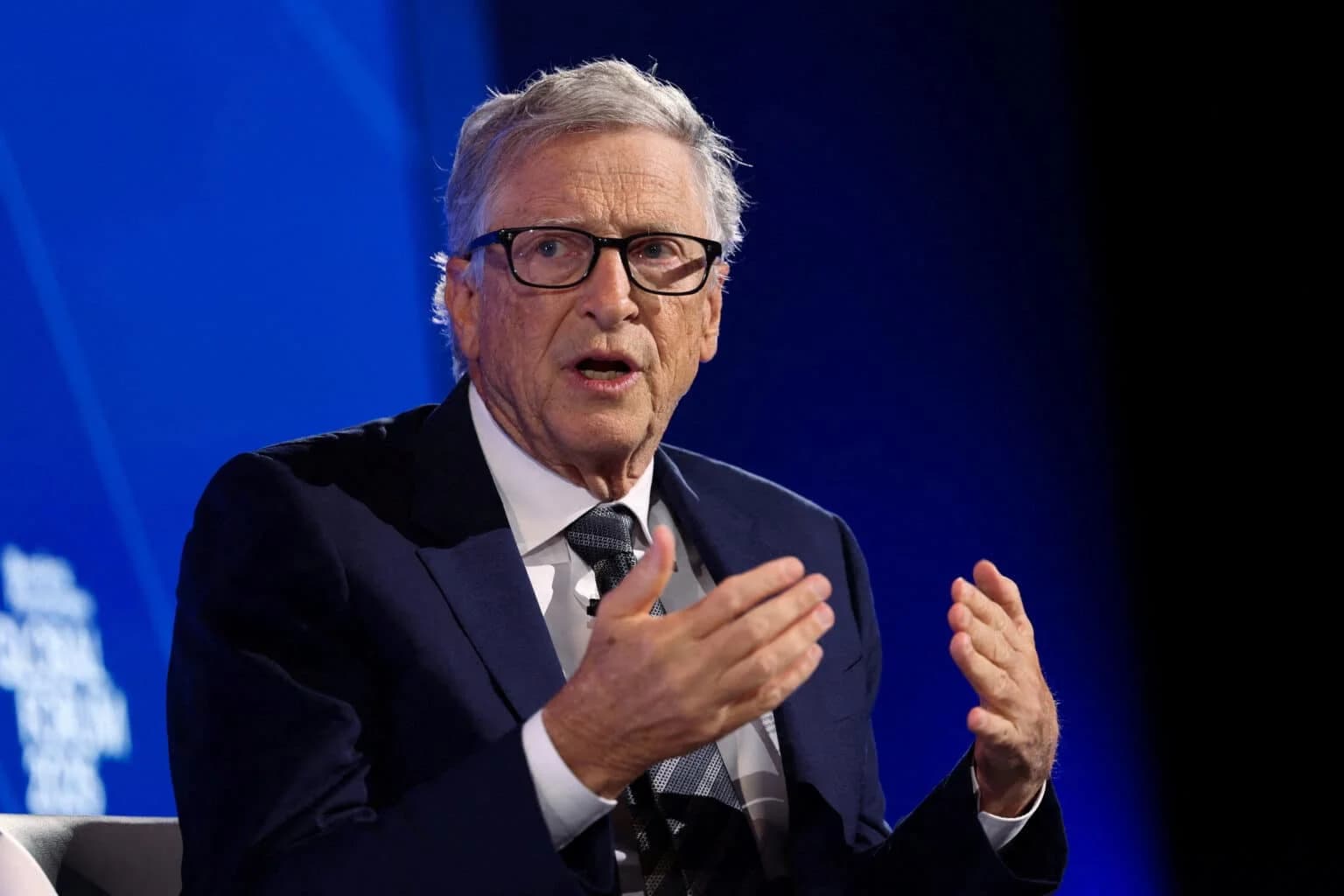
Gates visits Rwanda to learn from the country’s healthcare model, innovation and digital transformation efforts.



Comments
No comments yet. Be the first to share a thought.