
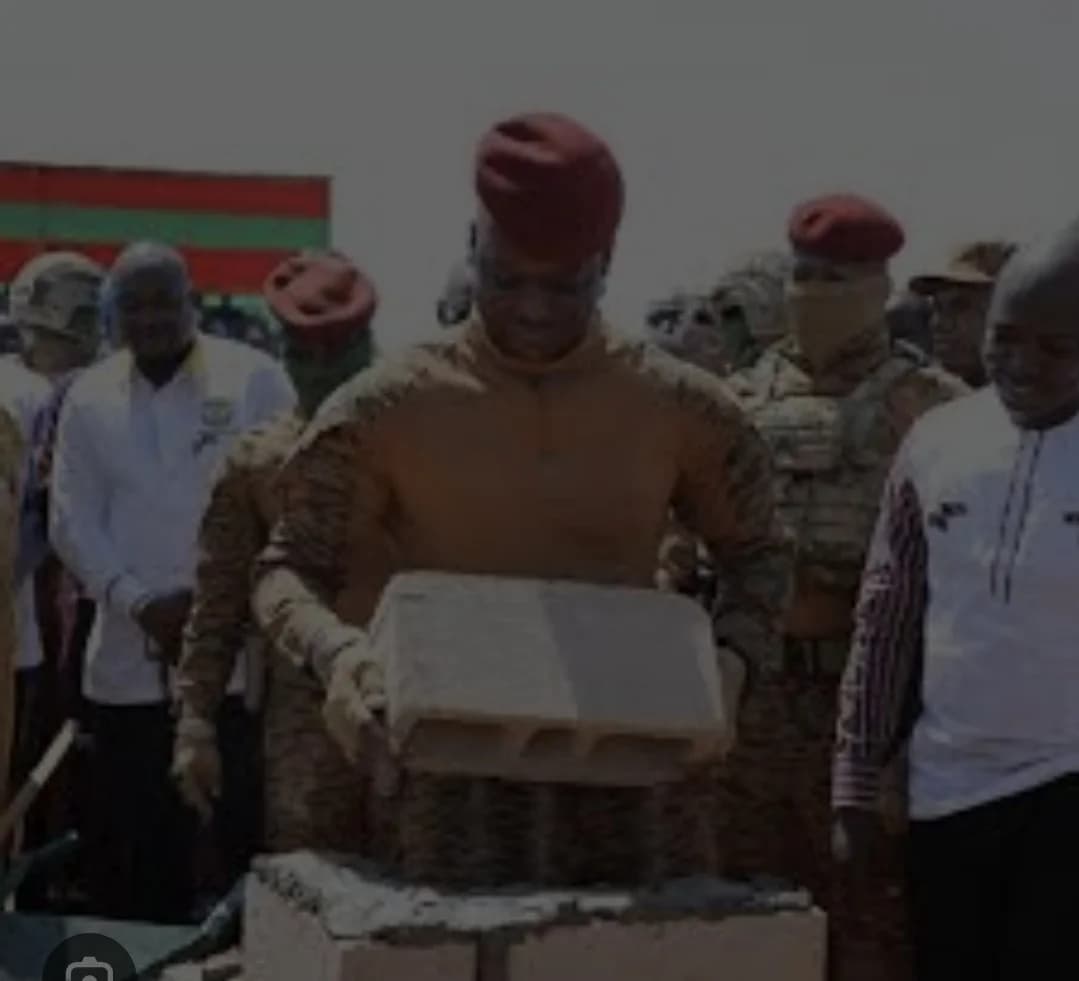
Africa is witnessing a shift in leadership—one that prioritizes development, self-reliance, and the well-being of its citizens. Amid economic challenges and political instability, two nations, Burkina Faso and Rwanda, are setting an example for the continent by demonstrating that sustainable progress is possible through visionary leadership. At the forefront of this transformation are President Ibrahim Traoré of Burkina Faso and President Paul Kagame of Rwanda. Both leaders have implemented bold policies designed to uplift their citizens, challenge traditional governance models, and reduce de
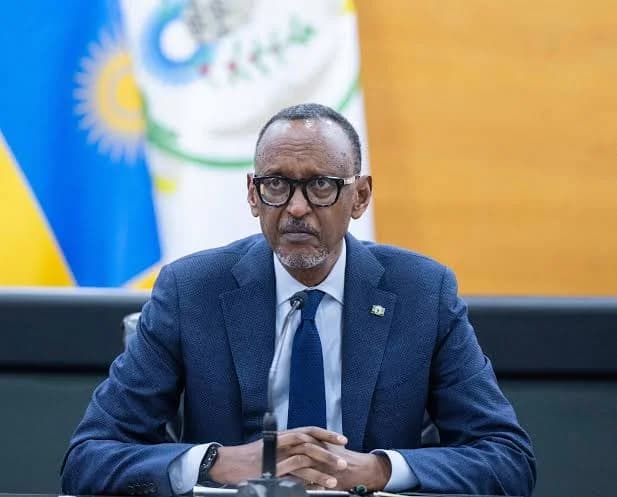
Africa is witnessing a shift in leadership—one that prioritizes development, self-reliance, and the well-being of its citizens. Amid economic challenges and political instability, two nations, Burkina Faso and Rwanda, are setting an example for the continent by demonstrating that sustainable progress is possible through visionary leadership. At the forefront of this transformation are President Ibrahim Traoré of Burkina Faso and President Paul Kagame of Rwanda. Both leaders have implemented bold policies designed to uplift their citizens, challenge traditional governance models, and reduce dependency on foreign aid. President Ibrahim Traoré has launched the Free House Project, a groundbreaking initiative aimed at providing modern housing for vulnerable citizens. This policy goes beyond addressing homelessness—it serves as an economic stimulus by creating employment opportunities, revitalizing the construction industry, and fostering national pride. By prioritizing local resources and labor, the initiative challenges conventional economic models that often rely on foreign investment and aid. However, its success will depend on securing sustainable funding, addressing security concerns, and ensuring long-term maintenance. Despite these challenges, Traoré’s determination echoes that of another African leader who faced similar obstacles and successfully rebuilt his nation—President Paul Kagame of Rwanda. Rwanda’s remarkable turnaround under President Paul Kagame has positioned the country as a benchmark for economic growth, security, and governance in Africa. Following the devastation of the 1994 genocide against the Tutsi, Kagame has implemented policies that have fostered stability and sustainable development. Key pillars of Rwanda’s success include economic growth, security, and social development. Kigali has emerged as a regional hub for technology, business, and tourism, reducing the country’s dependence on foreign aid. Rwanda remains one of Africa’s safest nations, attracting investment and creating a conducive environment for economic development. Investments in education, healthcare, and infrastructure have improved the quality of life for Rwandans, ensuring long-term prosperity. While President Traoré’s Free House Project is a significant step forward, lasting national transformation requires strategic planning and disciplined execution. Burkina Faso can draw valuable lessons from Rwanda’s approach to governance and development. Rwanda’s Vision 2050 ensures that current policies contribute to sustainable national progress. Burkina Faso must expand its focus beyond housing to include economic independence and resilience. Development cannot thrive without peace. Rwanda’s firm approach to national security has created an environment conducive to growth. Burkina Faso, facing ongoing security challenges, must prioritize stability to achieve lasting progress. Rwanda’s emphasis on education, skills development, and technological innovation has been crucial to its success. In addition to housing, Burkina Faso must invest in education and workforce development to build a self-sustaining economy. The progress in Burkina Faso and Rwanda signals a broader shift in African leadership—one that moves away from reliance on Western economic models and focuses on homegrown solutions. By prioritizing their citizens' needs, Presidents Traoré and Kagame are demonstrating that Africa’s future lies in disciplined leadership, strategic governance, and a commitment to self-reliance. While some African leaders remain entangled in political struggles and dependency on foreign assistance, Burkina Faso and Rwanda are proving that true leadership is about action and accountability. Their success should serve as a wake-up call to the continent. Burkina Faso’s commitment to eradicating homelessness and Rwanda’s disciplined approach to development represent a turning point for Africa. If more leaders embrace their dedication to progress, the continent will no longer be defined by its challenges but by its potential. The path to African prosperity is clear. Burkina Faso is forging ahead. Rwanda has set the standard. Now, it is time for the rest of Africa to follow.

Comments
No comments yet. Be the first to share a thought.