
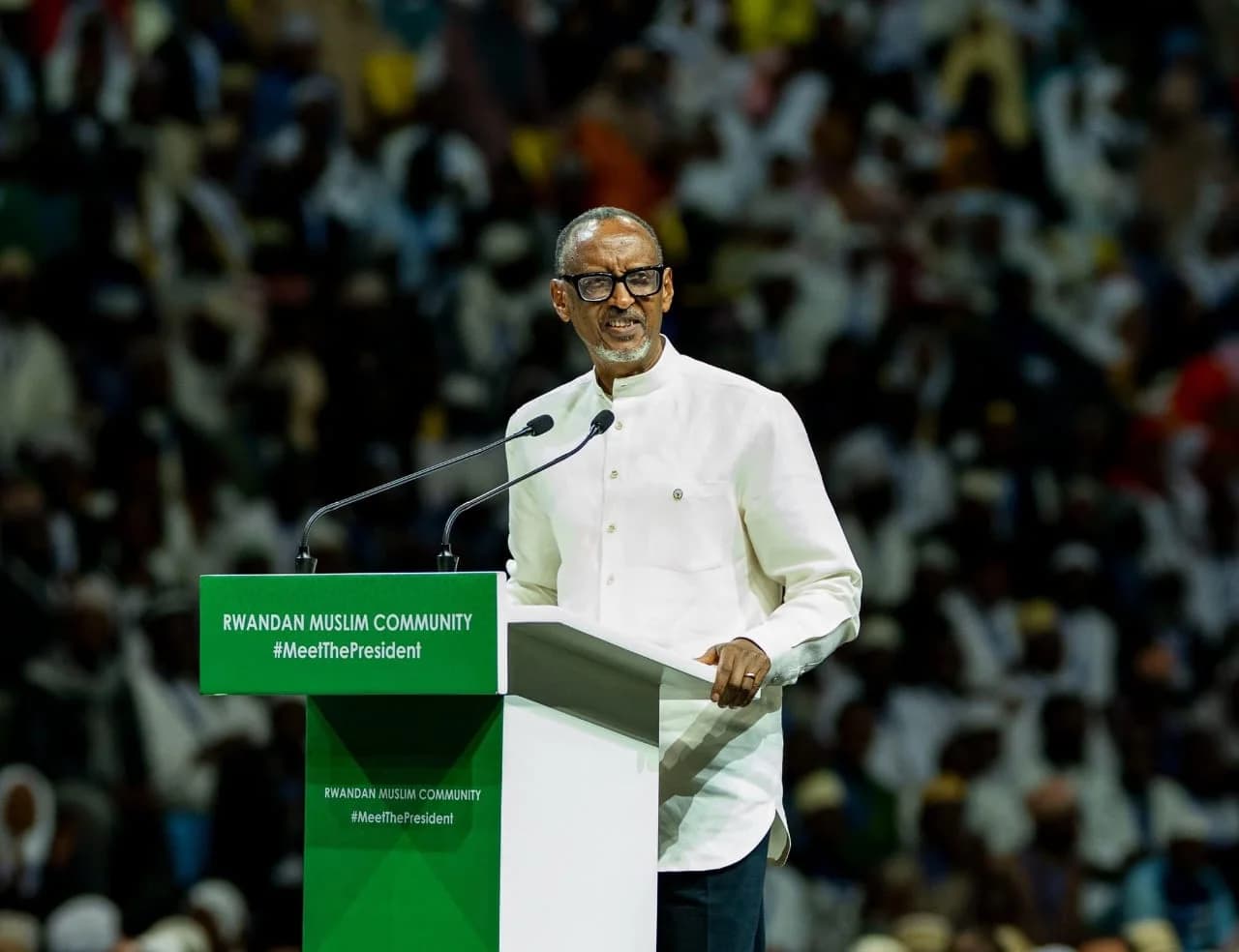
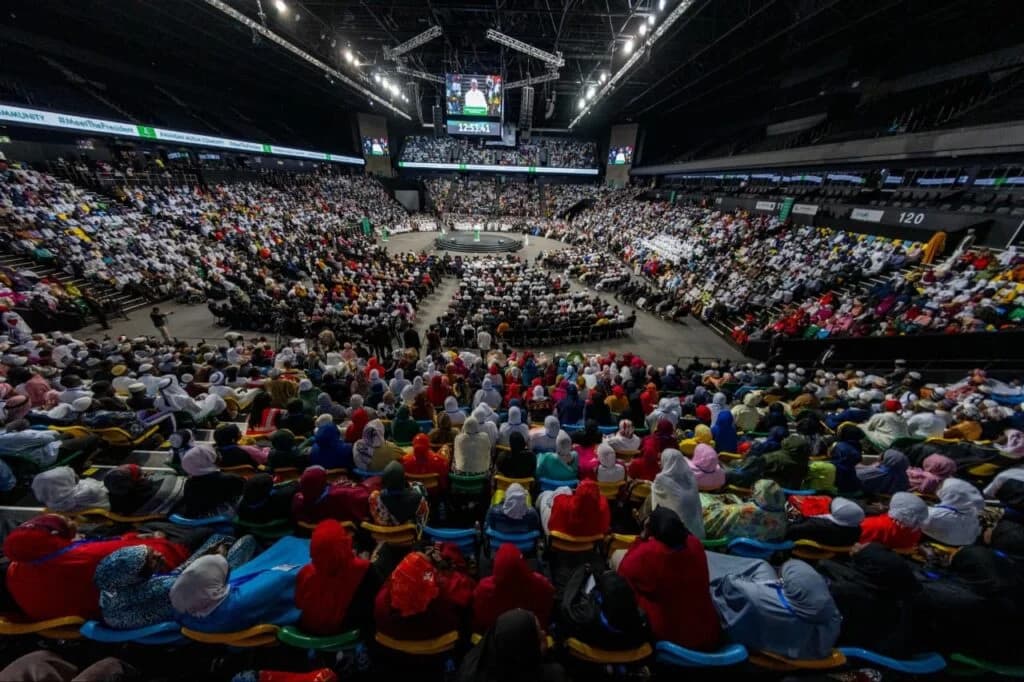
25 th March 2026 - Kigali, Rwanda , In a landmark consultative meeting with the Rwanda Muslim community, President Paul Kagame this Wednesday met with nearly 10,000 members of the community, addressing long standing grievances and pledging accelerated government support for their development initiatives before the end of this year. The gathering, held at the BK Arena, was defined by an electric atmosphere, featuring Kinyarwanda songs of praise and a direct dialogue between the Head of State and religious leaders. The discussion marked a significant moment in Rwanda's ongoing journey toward s
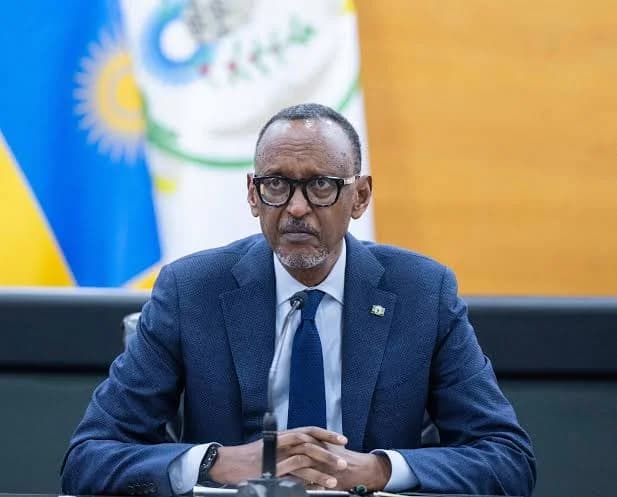
25th March 2026 - Kigali, Rwanda, In a landmark consultative meeting with the Rwanda Muslim community, President Paul Kagame this Wednesday met with nearly 10,000 members of the community, addressing long standing grievances and pledging accelerated government support for their development initiatives before the end of this year. The gathering, held at the BK Arena, was defined by an electric atmosphere, featuring Kinyarwanda songs of praise and a direct dialogue between the Head of State and religious leaders. The discussion marked a significant moment in Rwanda's ongoing journey toward social cohesion, with President Kagame emphatically validating the community’s place in the nation’s future while simultaneously challenging religious institutions to maintain ethical integrity.
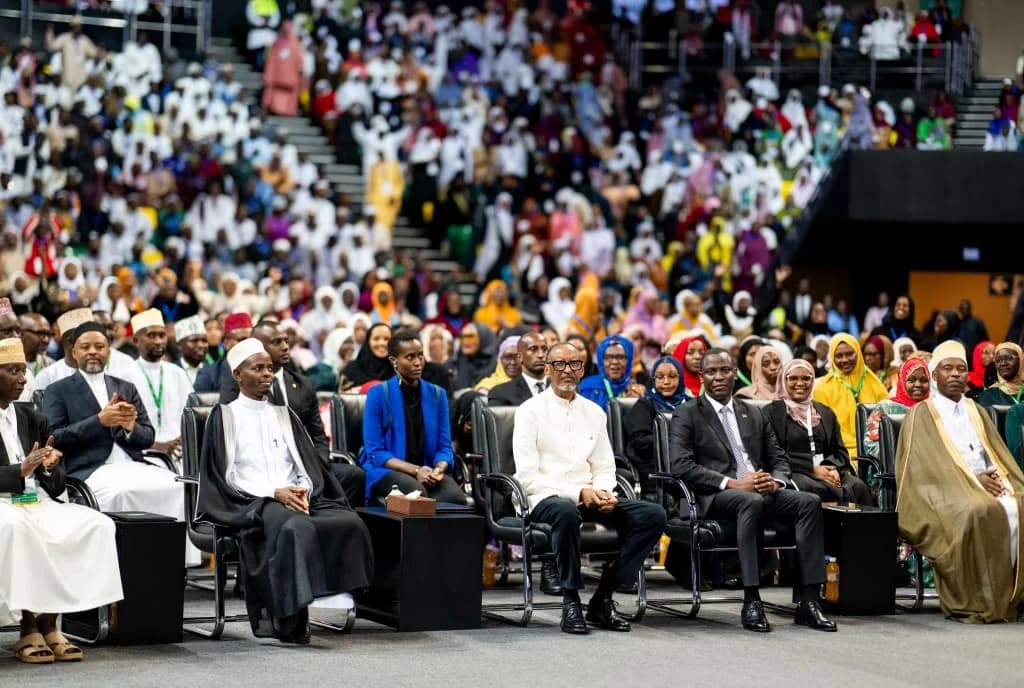
The meeting began with a powerful acknowledgment of historical marginalization. The Mufti of Rwanda, Sheikh Sindayigaya Musa, set the tone by reflecting on the profound transformation the Muslim community has experienced under President Kagame’s leadership. "For a long time, we were treated as foreigners in our own country, often referred to derogatorily as Baswahili,” the Mufti stated. He thanked the President for policies that restored their dignity, specifically citing the granting of two public holidays for Eid, access to higher education, and the historic facilitation of the Hajj pilgrimage using the national carrier, RwandAir. "We are no longer on the margins, we are partners in building this country." Addressing specific concerns, President Kagame delighted the assembly by confirming that the morning call to prayer (Fajr Adhan) would be permitted again. The Adhan had recently been restricted in some districts following noise pollution regulations. This reassurance was met with significant applause.
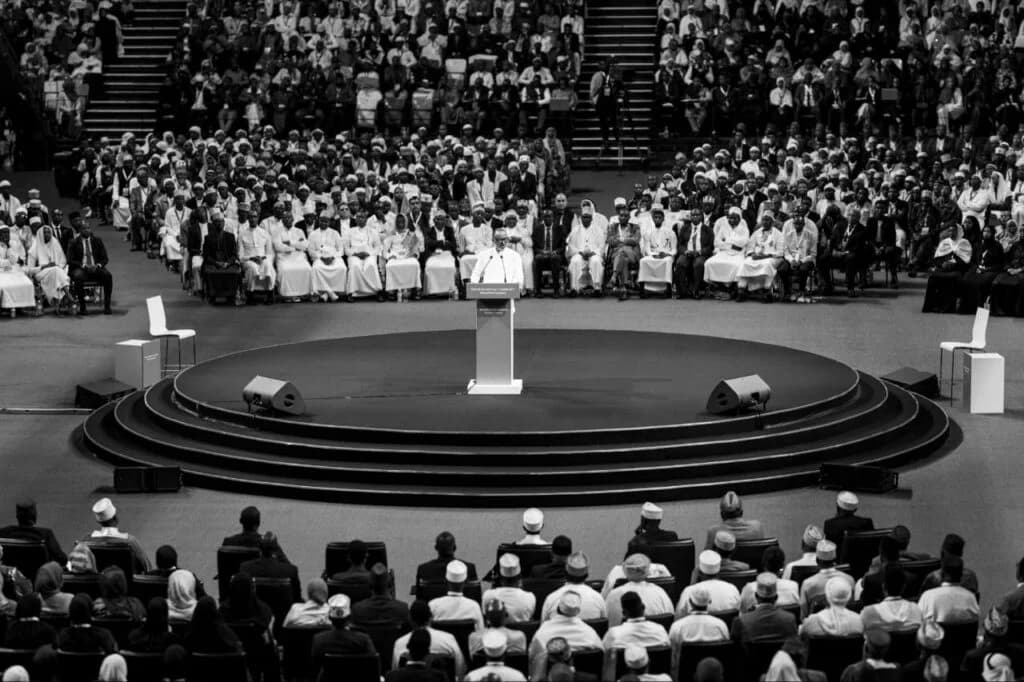
However, the core of President Kagame's message focused on partnership and shared prosperity. He committed that the government would fast-track the community’s specific development projects, ensuring delivery before the close of 2026. This funding and logistical support will be aimed at scaling existing agricultural, educational, and trade initiatives to align with the country’s ambitious Vision 2050 goals. In an illustrative example of this progress, business leader Hadjati Zulfat Mukarubega shared her testimony during the interactive session. She detailed her journey from founding a small vocational school with only five students to establishing the University of Tourism, Technology and Business Studies (UTB), which has now seen 12,000 graduates. She credited the country’s stability and its environment of gender equality for making such entrepreneurship possible. President Kagame did not shy away from critical issues during his address. While affirming religious freedom, he delivered a candid warning against leadership that exploits the faith and resources of its followers. His remarks were directed at ensuring religious leaders remain ethical. He emphasized that recent government interventions within the religious sector are intended not to violate freedoms, but to protect vulnerable citizens from opportunists. "Religious leadership must not set up roadblocks and demand payment from the poor," the President stated. "The purpose of faith is integrity, not extraction. If government is called to intervene, it is to ensure our people are safe from exploitation, no matter the source."
By directly addressing the delicate balance of noise regulations, religious freedoms, and developmental equity, President Kagame sought to cement a relationship of trust with a demographic that has historically felt marginalized. The promises of immediate development support and the rhetorical validation of the community's dignity signal that, in the government’s view, the future of Rwanda's stability depends on the full economic and social integration of all its citizens.

Comments
No comments yet. Be the first to share a thought.