
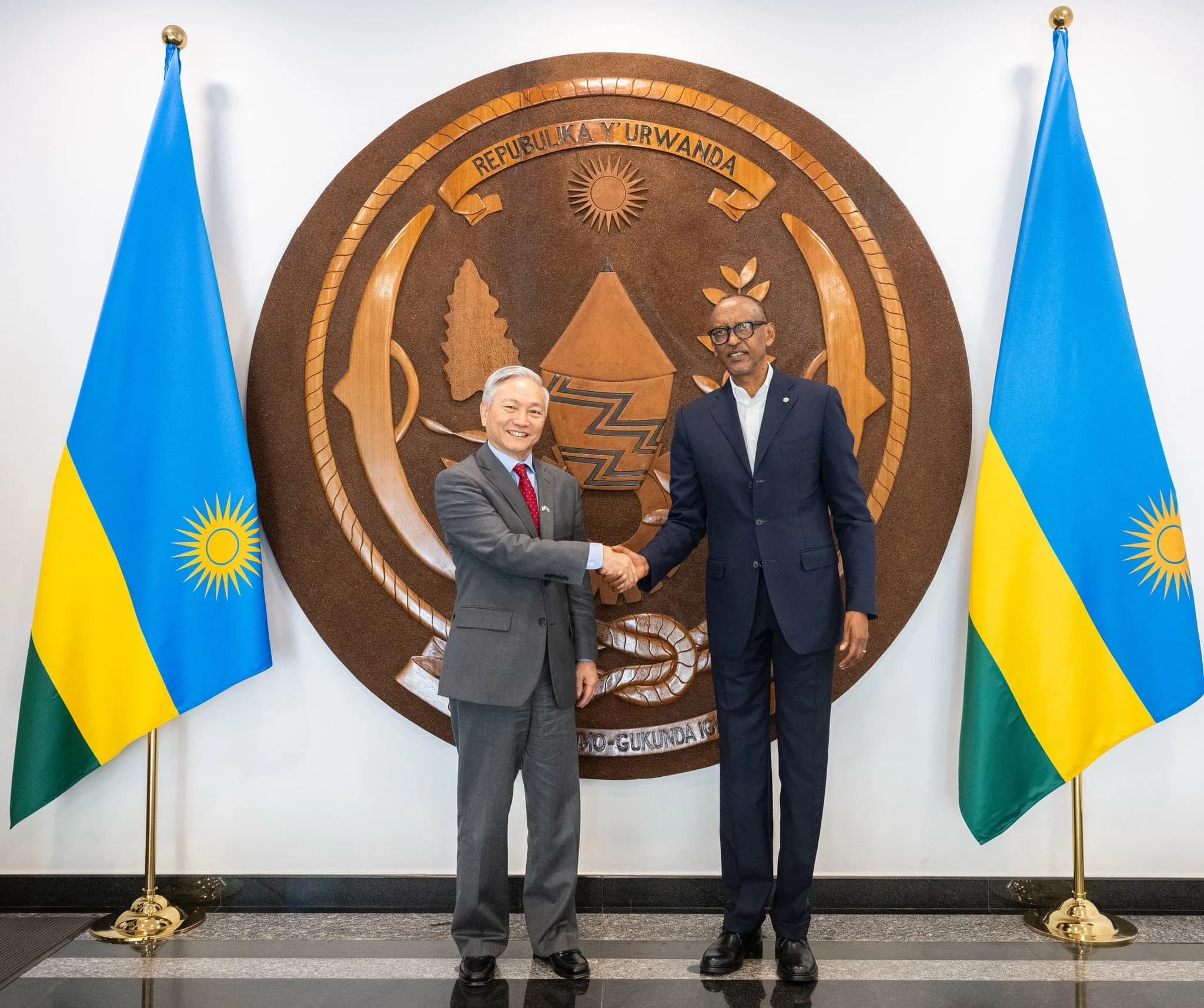
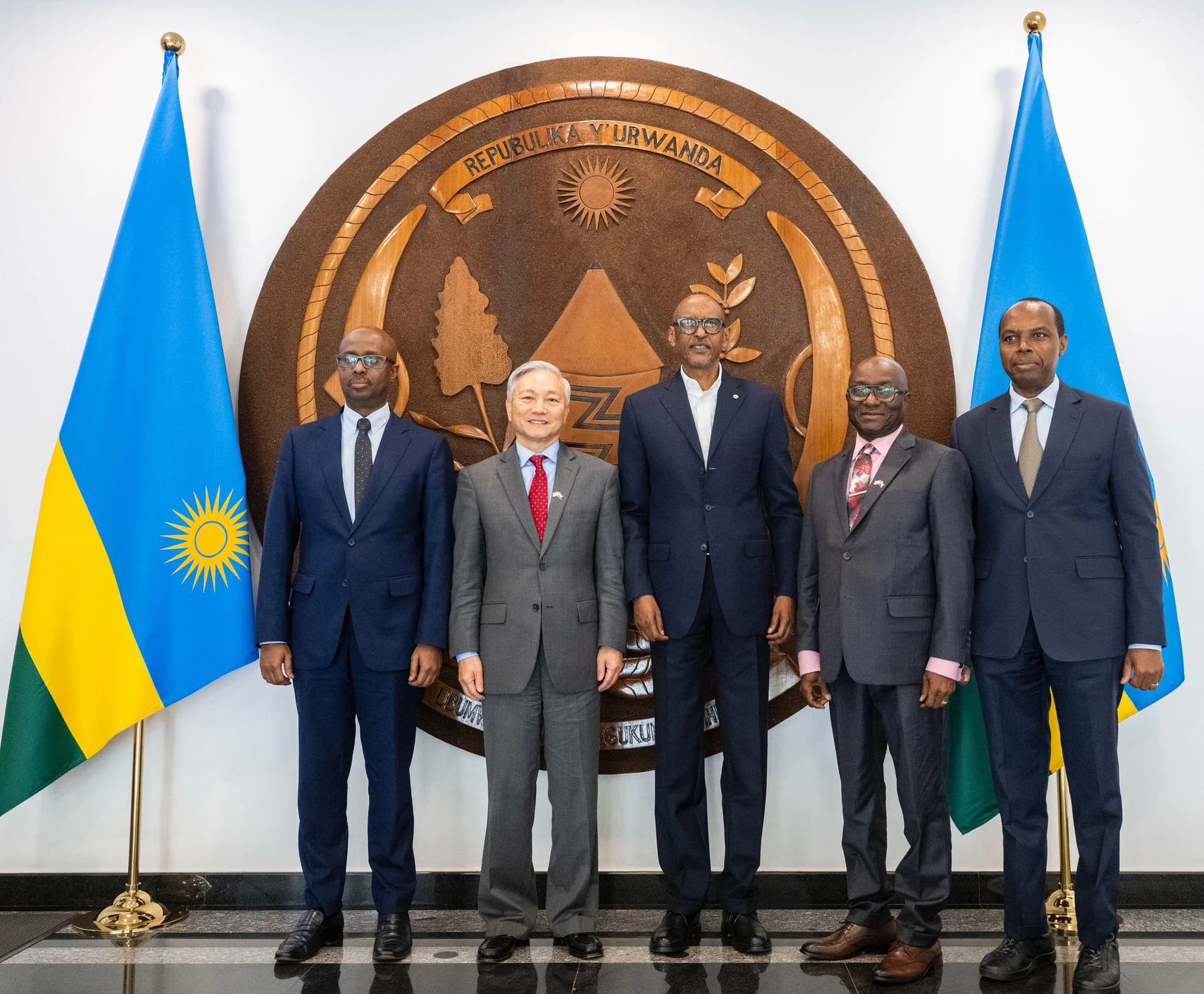
President Paul Kagame on Monday, March 10 at Urugwiro Village, received Qimiao Fan, the World Bank’s Country Director for Rwanda, Kenya, Somalia, and Uganda. The discussion focused on existing and future partnerships. Rwanda became a member of the World Bank on September 30, 1963. Since then, the bank has provided approximately $8.2 billion in support of various development programs, including human capital development, infrastructure, agriculture, resilience, and private sector growth. Rwanda and the World Bank have maintained a strong partnership, collaborating on numerous initiatives to
President Paul Kagame on Monday, March 10 at Urugwiro Village, received Qimiao Fan, the World Bank’s Country Director for Rwanda, Kenya, Somalia, and Uganda. The discussion focused on existing and future partnerships. Rwanda became a member of the World Bank on September 30, 1963. Since then, the bank has provided approximately $8.2 billion in support of various development programs, including human capital development, infrastructure, agriculture, resilience, and private sector growth. Rwanda and the World Bank have maintained a strong partnership, collaborating on numerous initiatives to advance the country’s development across multiple sectors. ALSO READ: Rwanda Among Top Global Performers in Inaugural World Bank B-READY Report In May 2019, Rwanda and the World Bank signed a $60 million financing agreement to enhance access to basic services and economic opportunities for refugees and host communities in six districts. The project includes upgrading infrastructure such as schools, health centers, and roads, as well as funding job skills training and access to finance to support employment and livelihoods. It is expected to benefit 136,000 refugees and up to two million Rwandans. To boost agricultural productivity and food security, the Government of Rwanda and the World Bank signed a $26.3 million grant agreement. This initiative builds on previous projects, including the Land Husbandry, Water Harvesting, and Hillside Irrigation (LWH) project and the third Rural Sector Support Project (RSSP3). Implemented in eight districts, it aims to increase crop yields by 15% and marketed produce by 25%, directly benefiting 38,000 farmer households. ALSO READ: World Bank approves $200 million to empower over 200,000 Rwandan youths In September 2022, the Government of Rwanda, through the Ministry of Agriculture and Animal Resources (MINAGRI), partnered with the World Bank to launch the Commercialization and De-risking for Agricultural Transformation (CDAT) project. This five-year initiative seeks to modernize and de-risk Rwanda’s agriculture sector by expanding irrigation and improving market access for producers and agribusinesses. The project also enhances access to agricultural finance and insurance, targeting approximately 235,977 households, with a focus on women and youth.



Comments
No comments yet. Be the first to share a thought.