
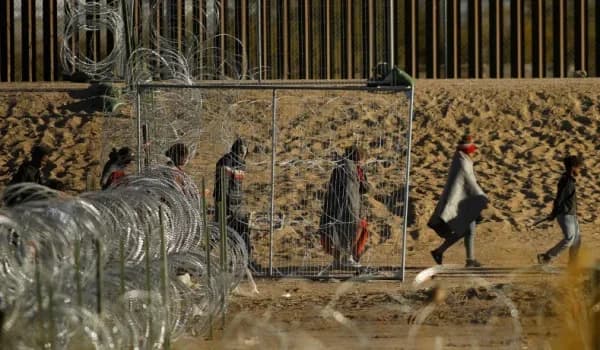
Rwanda and the United States have reached an agreement that could see the country receive up to 250 migrants deported from the U.S. The agreement, first reported by Reuters, was signed by U.S. and Rwandan officials in Kigali in June, said a Rwandan official speaking on condition of anonymity. The official added that Washington had already sent an initial list of 10 people to be vetted. "Rwanda has agreed with the United States to accept up to 250 migrants, in part because nearly every Rwandan family has experienced the hardships of displacement, and our societal values are founded on reinteg
Rwanda and the United States have reached an agreement that could see the country receive up to 250 migrants deported from the U.S. The agreement, first reported by Reuters, was signed by U.S. and Rwandan officials in Kigali in June, said a Rwandan official speaking on condition of anonymity. The official added that Washington had already sent an initial list of 10 people to be vetted. "Rwanda has agreed with the United States to accept up to 250 migrants, in part because nearly every Rwandan family has experienced the hardships of displacement, and our societal values are founded on reintegration and rehabilitation," said the spokesperson for the Rwandan government, Yolande Makolo, to Reuters. "Under the agreement, Rwanda has the ability to approve each individual proposed for resettlement. Those approved will be provided with workforce training, healthcare, and accommodation support to jumpstart their lives in Rwanda, giving them the opportunity to contribute to one of the fastest-growing economies in the world over the last decade." This is not the first time Rwanda has played a leading role in humanitarian migration efforts. Between September 2019 and April 2025, Rwanda received 2,760 refugees and asylum seekers evacuated from Libya. The evacuees, mostly from countries like Eritrea, Somalia, Sudan, Ethiopia, Cameroon, and Nigeria, were hosted at the Emergency Transit Mechanism (ETM) centre in Bugesera District. The majority of these individuals have since been relocated to third countries, mostly in Europe.


Comments
No comments yet. Be the first to share a thought.