
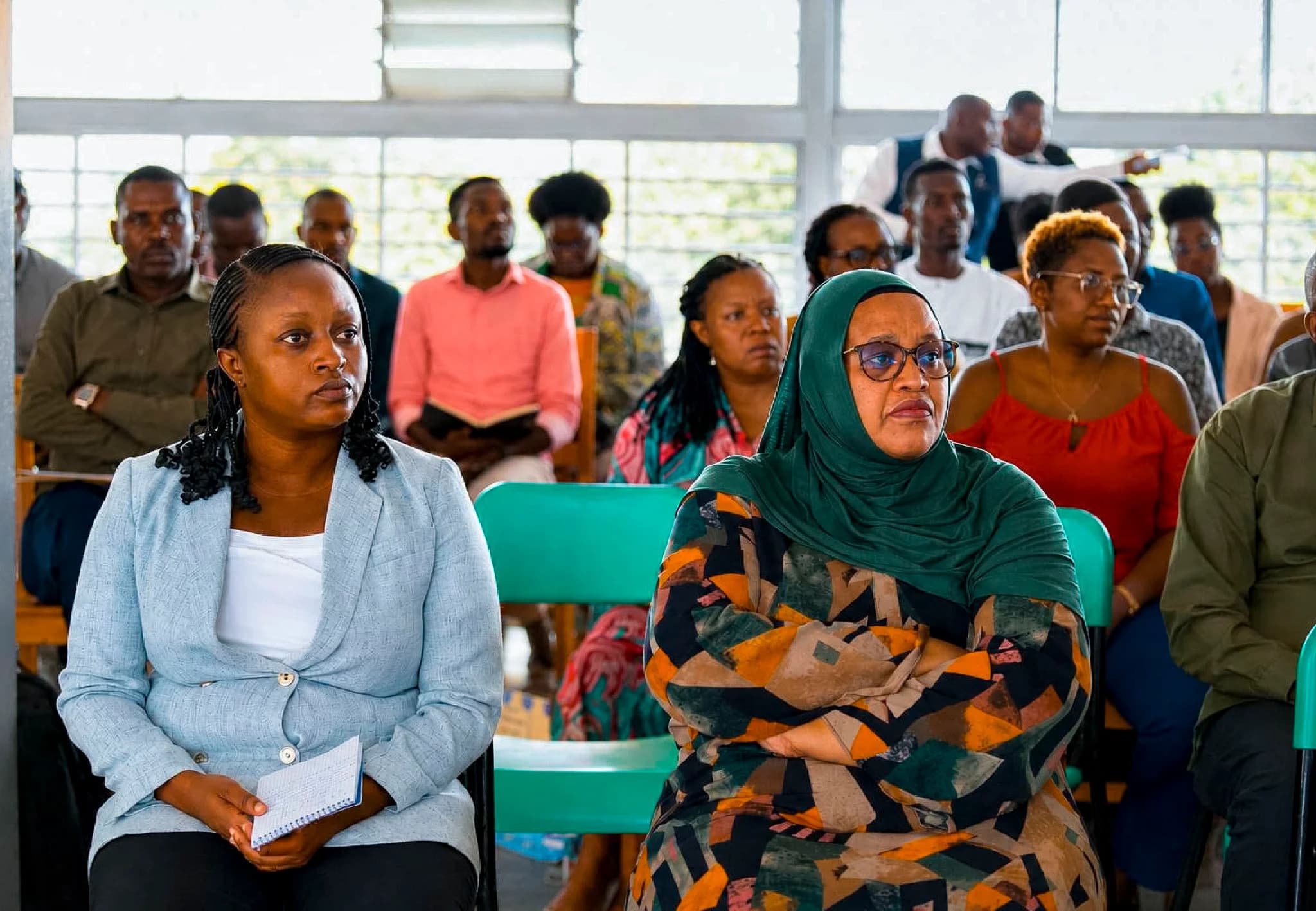
Rwanda has launched a nationwide stakeholder dialogue aimed at strengthening the implementation of Dual Technical and Vocational Education and Training (TVET) and improving the quality of skills development across the country. The dialogue sessions, which started on 18 August 2026, bring together key education stakeholders, including Head Teachers, Deputy Head Teachers in charge of Studies, accountants from public, Government-aided and private TVET schools receiving training consumables, as well as District Directors of Education. The sessions are being conducted from 18 to 25 August 2026, w
Rwanda has launched a nationwide stakeholder dialogue aimed at strengthening the implementation of Dual Technical and Vocational Education and Training (TVET) and improving the quality of skills development across the country. The dialogue sessions, which started on 18 August 2026, bring together key education stakeholders, including Head Teachers, Deputy Head Teachers in charge of Studies, accountants from public, Government-aided and private TVET schools receiving training consumables, as well as District Directors of Education. The sessions are being conducted from 18 to 25 August 2026, with the first group bringing together stakeholders from Nyaruguru, Nyamagabe, Rulindo and Gakenke districts. Other stakeholders from across the country are expected to participate as the campaign continues. At the centre of the discussions is Dual TVET, a training approach that combines theoretical learning in classrooms with practical training in workplaces. The model is designed to give students hands-on experience and industry-relevant skills that can better prepare them for employment and entrepreneurship. Beyond raising awareness about the Dual TVET model, the dialogue provides an opportunity for stakeholders to examine some of the challenges affecting the delivery of quality technical and vocational education. Key areas under discussion include TVET quality improvement, the management and use of training consumables, co-curricular activities, institutional performance and accountability. Opening the dialogue, Rwanda TVET Board Director General P. Umukunzi emphasized that quality improvement should remain at the centre of TVET delivery. He called on education leaders and other stakeholders to work with clear objectives, strengthen accountability, comply with relevant laws and regulations, and take greater ownership of their responsibilities. The emphasis on accountability comes as Rwanda continues to position TVET as an important pathway for developing a skilled workforce capable of responding to the needs of the labour market. Through Dual TVET, learners are expected to gain not only classroom knowledge but also practical workplace experience, allowing them to understand how the skills they acquire in training institutions are applied in real working environments. The stakeholder dialogues therefore provide an important platform for aligning schools, districts and other actors around the effective implementation of the model. As the sessions continue across the country, the focus will be on ensuring that TVET institutions have the necessary systems, resources and accountability mechanisms to provide quality training and produce graduates equipped with skills relevant to Rwanda's changing economy. The campaign ultimately seeks to strengthen collaboration among TVET institutions, education authorities and other stakeholders so that technical and vocational education can play a greater role in preparing young people for meaningful employment and contributing to Rwanda's socio-economic development.



Comments (3)
A thoughtful read on a complicated topic.
Good to see this covered. Keep it up, Hobe News.
This is worrying. Thanks for keeping us informed.
Thank you for reading and for joining the conversation.