
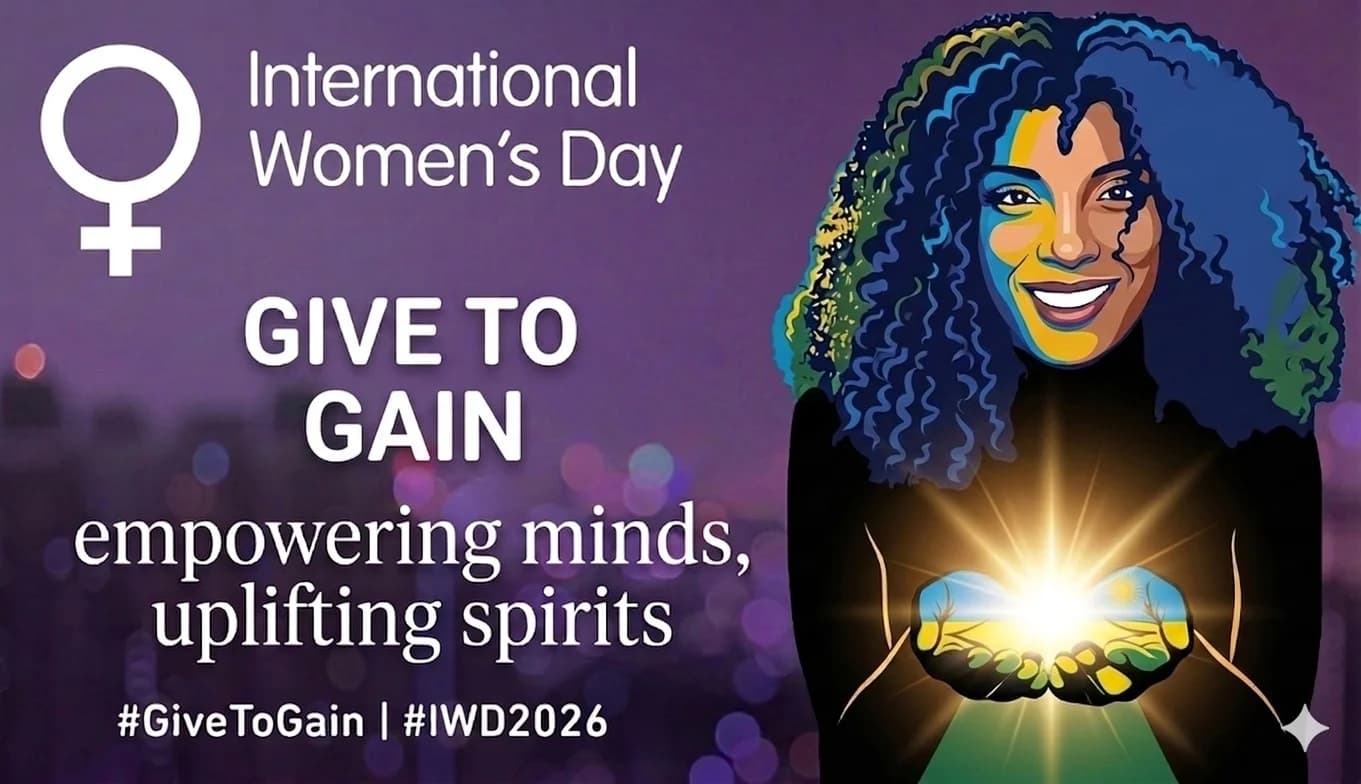
Rwanda joined the global community on Sunday in marking International Women's Day under this year's theme, "Give to Gain," emphasizing that investing in women benefits societies, families, and economies alike. At the national observance, First Lady Jeannette Kagame urged women and girls across the country to advocate for themselves, protect their wellbeing, and nurture self-respect during a critical moment in the gender equality movement. "I urge you to carve your character carefully, define your boundaries, advocate for yourselves and other women and girls, and protect your physical and men
Rwanda joined the global community on Sunday in marking International Women's Day under this year's theme, "Give to Gain," emphasizing that investing in women benefits societies, families, and economies alike. At the national observance, First Lady Jeannette Kagame urged women and girls across the country to advocate for themselves, protect their wellbeing, and nurture self-respect during a critical moment in the gender equality movement. "I urge you to carve your character carefully, define your boundaries, advocate for yourselves and other women and girls, and protect your physical and mental health," Kagame said. "And please, love yourself with the same gentleness you give others, the same gentleness you wish and deserve to experience from the world." Rwanda continues to draw international attention for its record in women's political inclusion. Women hold a majority of seats in the lower house of parliament, placing the country consistently among the world's leaders in female political representation, a distinction it has maintained for more than a decade. As of February 2024, women held more than 61% of parliamentary seats. Experts say Rwanda's post-genocide reconstruction created a unique opportunity for women to assume leadership roles. Following the 1994 genocide, women comprised the majority of survivors, often serving as primary breadwinners and community leaders. Former Speaker of the Chamber of Deputies Donatille Mukabalisa has said this trajectory was deliberate, not accidental. "When women are involved in leadership and governance, the perspectives they bring strengthen policies and contribute to inclusive development," she said. Institutional support further underpins these gains. Bodies such as the Gender Monitoring Office and the Ministry of Gender and Family Promotion ensure that gender equality is embedded across national development strategies. Despite these institutional gains, significant challenges remain. Gender advocate Claire Uwineza said, "The 'confidence gap', women feeling less self-assured than their male counterparts, is pervasive globally, translating to missed opportunities for social and economic advancement." To address gender gaps in employment, Rwanda's gender strategy has committed to boosting female enrolment in science, technology, and vocational training, fields that remain male-dominated and limit women's access to higher-paying jobs. The Ministry of Gender and Family Promotion's Strategic Plan identifies mentorship programs for young women entering the labour market as a key intervention. Rwanda's continued efforts to embed gender equality in policy and practice reflect the broader intent behind this year's "Give to Gain" campaign: that nationwide investment in women and girls yields benefits far beyond individual achievement. As the country observes International Women's Day, leaders and advocates alike say the focus now must be on expanding access to education, economic opportunities and protective services, ensuring that progress in political representation translates into tangible improvements in women's daily lives.

Comments
No comments yet. Be the first to share a thought.