
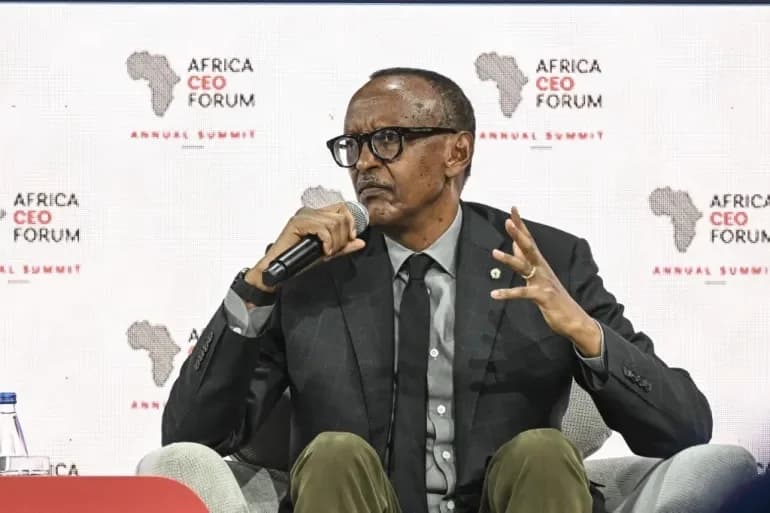
Rwanda’s recent nuclear cooperation agreement with Russia marks another significant step in the country’s long-term vision of becoming a regional leader in science, technology, healthcare and innovation. The Memorandum of Understanding (MoU), signed during the Nuclear Energy Innovation Summit held in Rwanda earlier this month, focuses on cooperation in nuclear medicine, scientific research, skills development and the exploration of future nuclear technologies. The agreement reflects Rwanda’s commitment to investing in knowledge-based industries that can support sustainable national developmen
Rwanda’s recent nuclear cooperation agreement with Russia marks another significant step in the country’s long-term vision of becoming a regional leader in science, technology, healthcare and innovation. The Memorandum of Understanding (MoU), signed during the Nuclear Energy Innovation Summit held in Rwanda earlier this month, focuses on cooperation in nuclear medicine, scientific research, skills development and the exploration of future nuclear technologies. The agreement reflects Rwanda’s commitment to investing in knowledge-based industries that can support sustainable national development. Far from being limited to energy generation, the partnership is expected to strengthen Rwanda’s healthcare sector through advanced nuclear medicine, improve scientific research capabilities and provide specialized training opportunities for young Rwandan professionals. Investing in Human Capital One of the most immediate benefits of the agreement is the development of local expertise. Rwanda has already begun sending students abroad for specialized training in nuclear engineering and related scientific fields, helping to build a new generation of highly skilled professionals. The initiative aligns with Rwanda’s broader strategy of investing in education and technology to create a competitive workforce capable of supporting the country’s future economic transformation. By strengthening local capacity, Rwanda aims to ensure that advanced scientific knowledge becomes a key driver of national development. Advancing Healthcare Nuclear technology has increasingly become an important tool in modern healthcare, particularly in the diagnosis and treatment of diseases such as cancer. Through international cooperation and knowledge transfer, Rwanda hopes to expand access to nuclear medicine services, improve patient outcomes and strengthen its healthcare infrastructure. The planned development of scientific and medical facilities could also position Rwanda as a regional center for specialized healthcare services, benefiting both Rwandans and patients from neighboring countries. Building a Knowledge-Based Economy The nuclear cooperation agreement complements Rwanda’s ambition to build an economy driven by innovation, research and technology. Over the past two decades, Rwanda has made substantial investments in digital transformation, education, infrastructure and entrepreneurship. The addition of advanced scientific partnerships further supports this vision by opening opportunities for research, innovation and industrial development. Experts note that nuclear science has applications in agriculture, environmental management, industry and healthcare, making it a valuable area for long-term investment. A Balanced International Partnership Strategy Rwanda continues to engage with a wide range of international partners across different sectors. The country's approach has focused on building mutually beneficial relationships that support national priorities while maintaining constructive ties with partners around the world. The agreement with Russia adds to Rwanda’s growing network of collaborations in science and technology, demonstrating the country's openness to working with diverse partners in pursuit of development goals. This strategy allows Rwanda to access expertise, technology and investment from multiple sources while maintaining its focus on national interests and long-term growth. Looking Ahead While the nuclear cooperation programme remains in its early stages, it represents an important investment in Rwanda’s future. The coming years are expected to focus on feasibility studies, skills development, research initiatives and infrastructure planning. These foundational steps will help prepare the country for more advanced scientific and technological capabilities in the future. As Rwanda continues its journey toward becoming a knowledge-driven economy, partnerships in nuclear science and technology offer new opportunities to strengthen healthcare, empower young professionals and accelerate innovation. The agreement underscores Rwanda’s determination to embrace modern science as a tool for development, positioning the country to play an increasingly important role in Africa’s technological and scientific advancement.



Comments
No comments yet. Be the first to share a thought.