
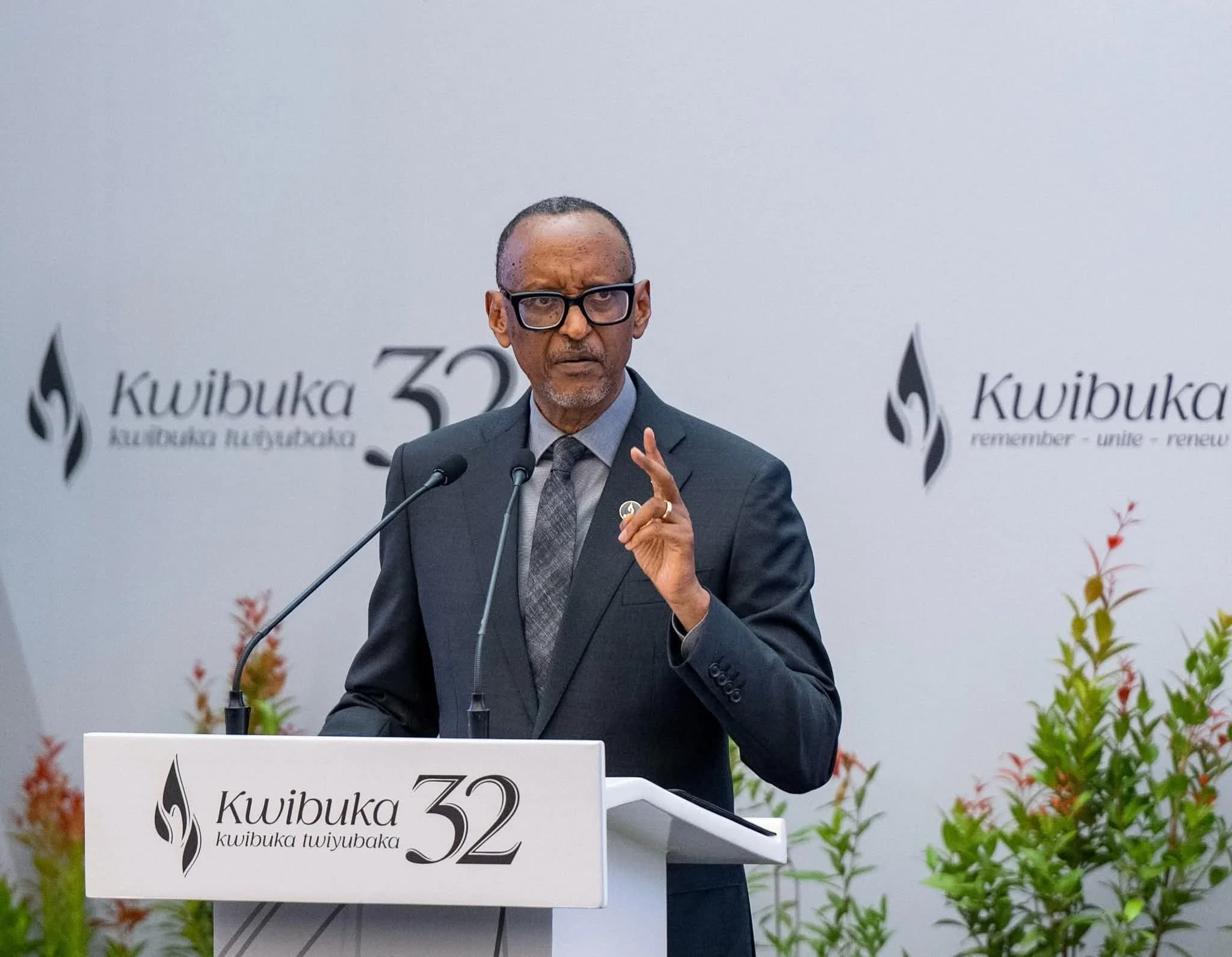
At the start of the 32nd commemoration of the 1994 Genocide against the Tutsi, Paul Kagame delivered a message that was both a warning and a declaration of resilience: Rwanda will never again be brought to its knees. Speaking on April 7, 2026, at the Kigali Genocide Memorial, where thousands gathered to launch the week of mourning and the 100 days of remembrance, Kagame made it clear that the country’s history cannot be rewritten—and its future cannot be threatened. He challenged those who attempt to deny or distort the Genocide, emphasizing that the testimonies and documented truth leave li
At the start of the 32nd commemoration of the 1994 Genocide against the Tutsi, Paul Kagame delivered a message that was both a warning and a declaration of resilience: Rwanda will never again be brought to its knees. Speaking on April 7, 2026, at the Kigali Genocide Memorial, where thousands gathered to launch the week of mourning and the 100 days of remembrance, Kagame made it clear that the country’s history cannot be rewritten—and its future cannot be threatened. He challenged those who attempt to deny or distort the Genocide, emphasizing that the testimonies and documented truth leave little room for manipulation. According to him, anyone seeking to alter that history faces an impossible task. But it was his stark warning that defined the tone of the day. Kagame stressed that Rwanda has fundamentally changed. The vulnerability of the past, he suggested, has been replaced by vigilance and determination. “You cannot kill people twice,” he said, underlining a new reality where Rwandans will defend their lives and their nation at all costs. His words carried deeper symbolism—not just about physical survival, but about dignity, memory, and national identity. The idea that “Rwanda will kill you before you kill it” was not framed as aggression, but as a statement of self-preservation born from a painful past. He went further, insisting that Rwanda as a nation cannot “die twice.” The message resonated across generations present at the memorial—survivors, youth, leaders, and members of the international community. It was a reminder that the country’s existence today is both a victory and a responsibility. Kagame concluded with a powerful affirmation: Rwandans will live—by right, not by permission. Regardless of how his words may be interpreted elsewhere, he insisted that this is the mindset that must guide the nation. As Kwibuka32 begins, the message is clear: remembrance is not only about honoring the past, but also about safeguarding the future.



Comments
No comments yet. Be the first to share a thought.