
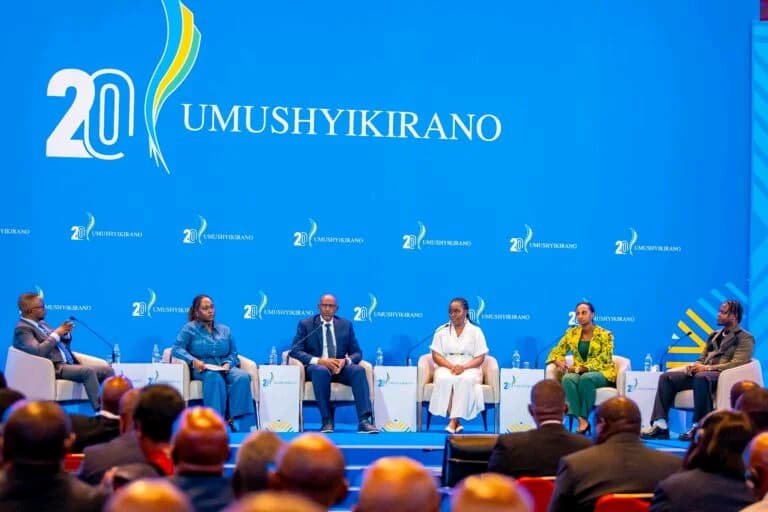
At the 20th edition of Rwanda’s National Umushyikirano Council, the country’s creative and media sectors took centre stage as artists, comedians and journalists raised concerns over the difficulty of earning sustainable income from online platforms. While digital content has become a major source of wealth globally, many Rwandan creators say they remain unable to benefit financially despite growing audiences and increasing national investment in technology. Mutesi scovia a journalist and a business woman Global platforms, limited local returns Internationally, top musicians on YouTube can
At the 20th edition of Rwanda’s National Umushyikirano Council, the country’s creative and media sectors took centre stage as artists, comedians and journalists raised concerns over the difficulty of earning sustainable income from online platforms. While digital content has become a major source of wealth globally, many Rwandan creators say they remain unable to benefit financially despite growing audiences and increasing national investment in technology.
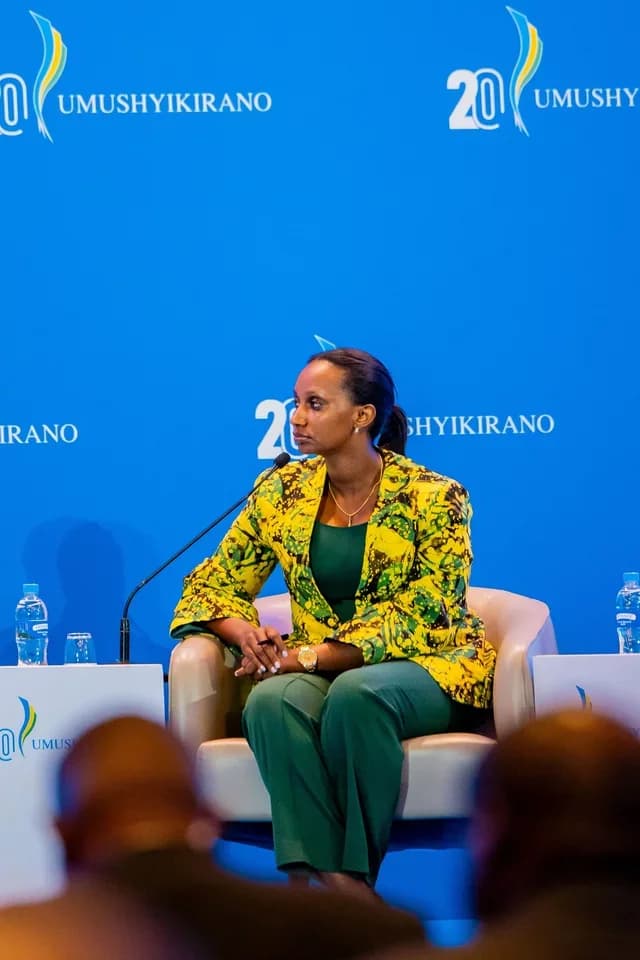
Mutesi scovia a journalist and a business woman
Global platforms, limited local returns
Internationally, top musicians on YouTube can earn thousands of dollars per million views, while streaming services such as Spotify and Apple Music generate steady monthly revenue for major acts with millions of plays. In Rwanda, however, creatives argue that similar success is difficult to replicate due to low advertising revenue, limited monetisation systems and fewer opportunities in the local digital market. The discussion at Umushyikirano highlighted concerns that Rwanda’s digital transformation risks leaving behind those producing the country’s entertainment, culture and information.
Bruce Melody calls for fair recognition
Artist Bruce Itahiwacu, popularly known as Bruce Melody, told the forum that platforms such as YouTube often fail to remunerate Rwandan creatives fairly compared to creators in other countries where online content generates substantial income.
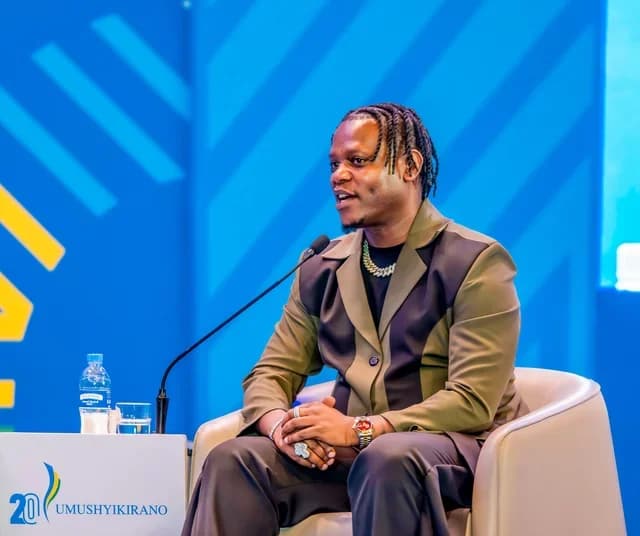
Bruce merodie a musician
His remarks echoed frustrations shared by many artists who believe recognition without financial reward cannot sustain professional careers.
ICT Minister outlines key barriers
ICT Minister Paula Ingabire acknowledged the structural challenges affecting monetisation, pointing to three major factors that shape online earnings:
•
protective national policies •the volume of advertising revenue in a country •secure and reliable payment channels Minister Ingabire noted that while Rwanda has copyright laws and functional payment systems, advertising revenue remains limited, reducing what platforms can generate and share with local creators. She urged local businesses to invest more actively in online advertising to expand monetisation opportunities.
Emerging talent struggles for support
Comedian Emmy Fally Merci Nsengiyumva highlighted the difficulties facing upcoming artists, many of whom lack early backing. “We appeal to the government to support these talents because, like every other citizen, we contribute to the economy through taxes,” he said.
Journalists join the call
The push for sustainable earnings extended beyond entertainers. Journalist and online TV founder Scovia Mutesi warned that many media practitioners struggle to make a living, forcing some to abandon the profession entirely. She requested stronger government support for media outlets, arguing that journalism plays a key role in informing citizens about national programs.
Creatives seen as partners in national promotion
In response, discussions at Umushyikirano included proposals to involve creatives in major national promotional campaigns such as Visit Rwanda, offering both visibility and income potential. The dialogue reflected a growing recognition that Rwanda’s creative and media sectors are not only cultural assets but also key drivers of economic growth in the digital era. For many creators, the message was clear: Rwanda’s online economy must offer more than applause, it must deliver fair compensation and sustainable careers for those shaping the country’s voice and culture.

Comments
No comments yet. Be the first to share a thought.