
A Dutch court has sentenced Eugene N., a Rwandan national, to life imprisonment after finding him guilty of genocide and war crimes linked to the 1994 Genocide against the Tutsi in Rwanda. The District Court of The Hague ruled that his conduct demonstrated a serious disregard for human dignity and human life, concluding that a life sentence was justified by the scale of suffering inflicted on victims and their families. According to the court, Eugene N. participated in the looting and burning of homes in two predominantly Tutsi communities before joining an attack on about 3,000 Tutsis who ha
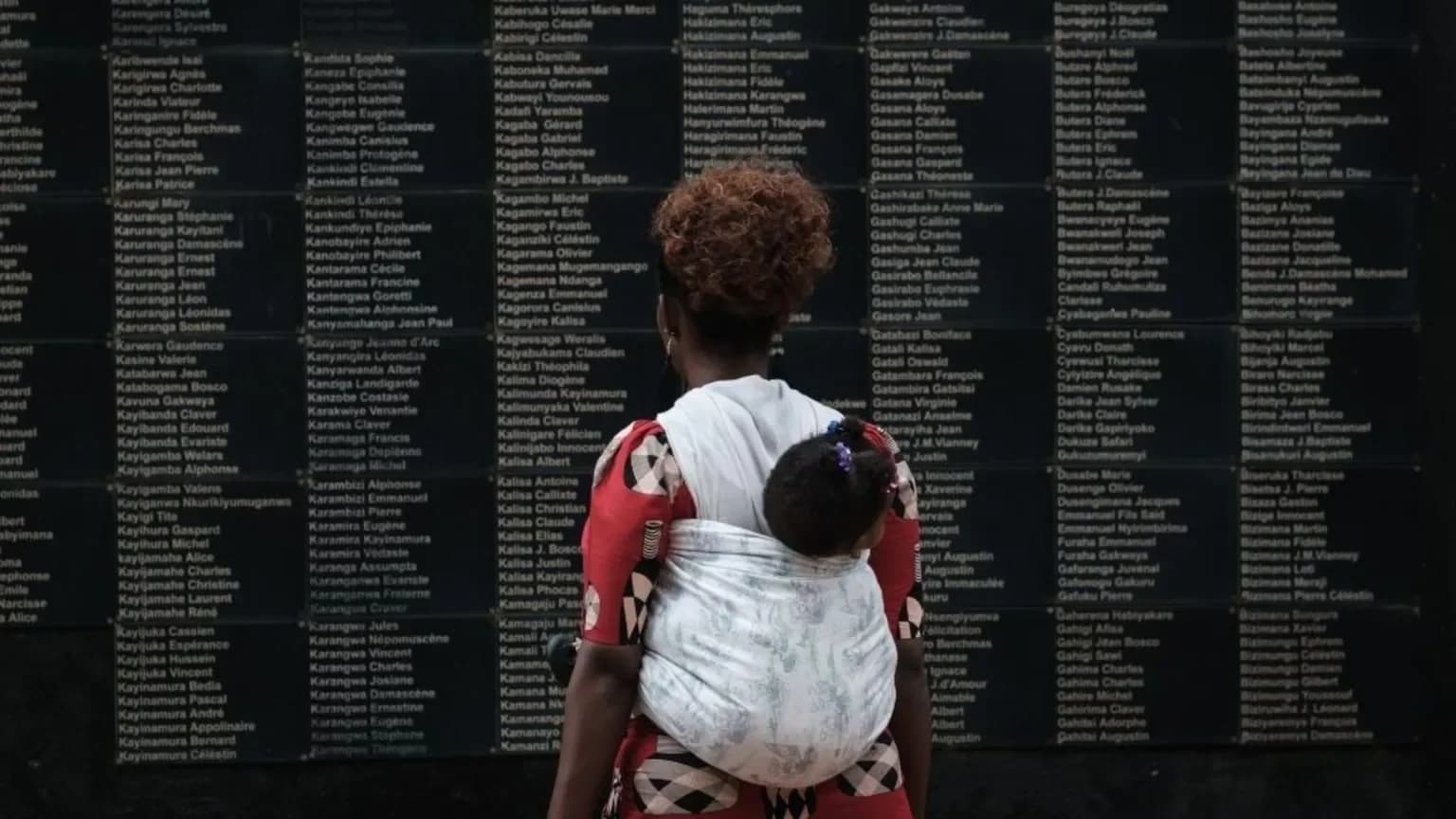
A Dutch court has sentenced Eugene N., a Rwandan national, to life imprisonment after finding him guilty of genocide and war crimes linked to the 1994 Genocide against the Tutsi in Rwanda. The District Court of The Hague ruled that his conduct demonstrated a serious disregard for human dignity and human life, concluding that a life sentence was justified by the scale of suffering inflicted on victims and their families. According to the court, Eugene N. participated in the looting and burning of homes in two predominantly Tutsi communities before joining an attack on about 3,000 Tutsis who had sought refuge at a stadium in Mbazi in April 1994. Judges said he directed attackers to prevent anyone from escaping and threw a grenade into the crowd. Those who survived the initial attack were later beaten and killed with machetes and other weapons, according to the court. Eugene N., reported to be 66 or 67 years old, fled Rwanda for the Netherlands in 1998 and later became a Dutch citizen. He denied involvement in the crimes, while his defence argued that he had tried to stop the violence and had lost relatives during the genocide. Prosecutors began investigating the case in 2020 and questioned more than 30 witnesses before his arrest in 2024. Rwanda had requested his extradition in 2014, but Dutch law prevents the extradition of Dutch nationals. His conviction is part of wider efforts by European courts to prosecute suspects accused of participating in the 1994 Genocide against the Tutsi, using the principle of universal jurisdiction.



Comments
No comments yet. Be the first to share a thought.