
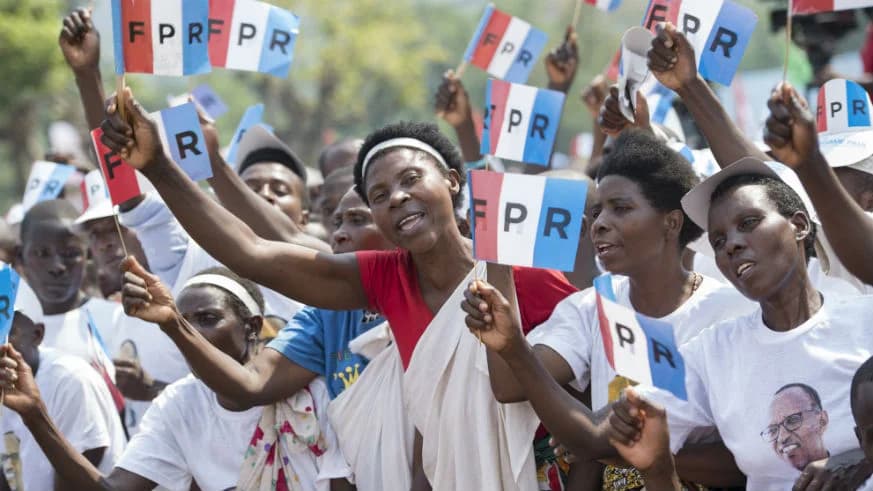
The Rwandan Patriotic Front (RPF-Inkotanyi) has played a pivotal role in the history and development of Rwanda. From its origins as a liberation movement to its current status as the ruling political party, the RPF's journey is a testament to resilience, vision, and transformative leadership. This analysis explores the RPF’s evolution, its core principles, and its impact on Rwanda’s socio-economic landscape. The RPF was founded in 1987 by Rwandan exiles in Uganda, primarily composed of Tutsi refugees who had fled previous ethnic violence in Rwanda. The founders aimed to return to their hom
The Rwandan Patriotic Front (RPF-Inkotanyi) has played a pivotal role in the history and development of Rwanda. From its origins as a liberation movement to its current status as the ruling political party, the RPF's journey is a testament to resilience, vision, and transformative leadership. This analysis explores the RPF’s evolution, its core principles, and its impact on Rwanda’s socio-economic landscape. The RPF was founded in 1987 by Rwandan exiles in Uganda, primarily composed of Tutsi refugees who had fled previous ethnic violence in Rwanda. The founders aimed to return to their homeland and address the systemic injustices and exclusionary policies imposed by the then-government. Under the leadership of Paul Kagame, the RPF launched a military campaign in 1990, which culminated in the end of the Rwandan Civil War and the RPF’s victory in 1994. This victory was significant not only for its military achievement but also for its role in stopping the Rwandan Genocide, during which an estimated 800,000 Tutsi and moderate Hutu were brutally killed. The RPF-Inkotanyi's ideology has evolved from its revolutionary roots to encompass a broad range of principles aimed at national unity, development, and governance. The party's guiding philosophy includes: Unity and Reconciliation: Post-genocide, the RPF has focused intensely on fostering national unity and reconciliation. Their policies emphasize inclusion, justice, and the healing of societal wounds, striving to build a cohesive Rwandan identity beyond ethnic divisions. Economic Development and Transformation: The RPF advocates for rapid economic growth and development. They have implemented policies that promote investment, infrastructure development, and innovation. The party’s Vision 2020 and subsequent Vision 2050 agendas aim to transform Rwanda into a middle-income country with a diversified economy. Good Governance and Accountability: The RPF champions principles of good governance, including transparency, accountability, and the rule of law. Their reforms have focused on building effective institutions and reducing corruption to foster a stable and fair political environment. Social Inclusion and Equity: The RPF places a strong emphasis on social equity and inclusion. This is reflected in their efforts to empower women, youth, and marginalized communities, ensuring that all Rwandans have access to opportunities and can participate in the nation’s progress. Since the end of the genocide, the RPF has been the dominant political force in Rwanda. Paul Kagame, a central figure in the RPF, has served as President since 2000 and has been instrumental in driving the party’s vision for Rwanda. Under his leadership, the RPF has maintained a strong grip on power through successive elections, winning widespread support for its development agenda. The party’s political strategy has been characterized by a mix of firm control and progressive reforms. This approach has enabled the RPF to implement its policies effectively while maintaining stability in a nation recovering from profound trauma. The RPF's tenure has seen significant socio-economic transformations in Rwanda. Their policies have catalyzed notable improvements across various sectors: Economic Growth and Innovation: Rwanda’s economy has experienced robust growth under RPF leadership. Key initiatives have included the promotion of ICT as a growth sector, the development of Kigali as a hub for innovation, and substantial investments in infrastructure such as roads, energy, and housing. Health and Education: The RPF has prioritized health and education as cornerstones of national development. Rwanda boasts one of the highest healthcare coverage rates in Africa, with impressive strides in reducing infant mortality and combating diseases such as HIV/AIDS. In education, significant progress has been made in increasing access to primary and secondary education, as well as improving the quality of educational outcomes. Women's Empowerment: Rwanda, under the RPF, has become a global leader in gender equality. Women hold more than 60% of seats in the Rwandan Parliament, the highest proportion in the world. This is part of a broader strategy to ensure women’s active participation in all facets of society and the economy. National Unity and Reconciliation: The RPF’s efforts in promoting national unity and reconciliation have been foundational to Rwanda’s recovery. Through initiatives like the Gacaca courts and the National Unity and Reconciliation Commission, the RPF has facilitated justice and healing, helping to bridge the divides created by the genocide. While the RPF has achieved remarkable successes, it faces challenges and critiques. International observers often scrutinize the party’s tight control over the political landscape, with concerns about limitations on political freedoms and human rights. However, within Rwanda, the RPF’s stability and development-focused governance have garnered substantial support. The party’s approach to governance, often described as pragmatic authoritarianism, emphasizes results and stability, prioritizing economic development and social order. This model has drawn comparisons with other rapidly developing nations and has sparked debates about the balance between development and democratic freedoms. As the RPF continues to lead Rwanda, its future will be shaped by its ability to navigate emerging challenges and sustain its development trajectory. Key areas of focus will likely include:
1Sustaining Economic Growth
: Ensuring that Rwanda's economic growth remains inclusive and sustainable will be crucial. The RPF will need to address issues such as youth unemployment, rural poverty, and economic diversification to maintain progress.
Enhancing Democratic Practices
: Balancing political stability with greater openness and democratic participation will be an ongoing challenge. The RPF’s ability to adapt to evolving political dynamics and respond to calls for greater political freedoms will be pivotal.
Addressing Social Inequities
: Continuing to address social inequities and ensuring that all Rwandans benefit from the country's progress will remain a priority. The RPF’s policies on social inclusion and equity will be critical in achieving this goal. The RPF-Inkotanyi’s journey from a liberation movement to the architect of Rwanda’s modern state is a remarkable narrative of resilience, leadership, and vision. As Rwanda looks to the future, the RPF's commitment to unity, development, and governance will undoubtedly continue to shape the nation’s path.
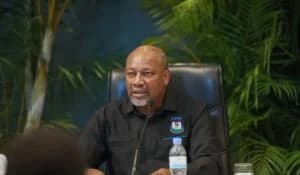
Wellars Gasamagera, the Secretary General of RPF-Inkotanyi.
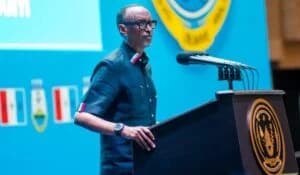
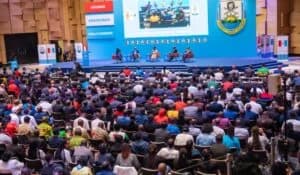
RPF Inkotanyi Chairman, President Paul Kagame addresses members at the 16th national congress during the celebration of the 35th anniversary at the party’s headquarters Intare Conference Arena
Sources:
[RPF-Inkotanyi Official Website]
[Rwanda’s Vision 2050 Development Agenda]
[Reports on Rwanda’s Economic and Social Progress]



Comments
No comments yet. Be the first to share a thought.