
In the heart of East Africa, Rwanda, a land of rolling hills and vibrant culture, beats a unique musical rhythm that has resonated through generations. The inanga, a traditional musical instrument, embodies the spirit and history of the Rwandan people. This documentary explores the rich heritage, cultural significance, and evolving legacy of the inanga in Rwanda. The Inanga: An Ancient Voice of Rwanda The inanga, often referred to as the "Rwandan zither," is an ancient stringed instrument traditionally carved from a single piece of wood. It holds a special place in Rwanda's musical heritage.
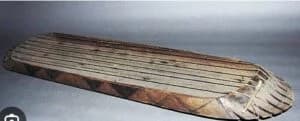
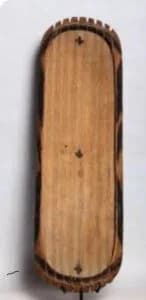
In the heart of East Africa, Rwanda, a land of rolling hills and vibrant culture, beats a unique musical rhythm that has resonated through generations. The inanga, a traditional musical instrument, embodies the spirit and history of the Rwandan people. This documentary explores the rich heritage, cultural significance, and evolving legacy of the inanga in Rwanda. The Inanga: An Ancient Voice of Rwanda The inanga, often referred to as the "Rwandan zither," is an ancient stringed instrument traditionally carved from a single piece of wood. It holds a special place in Rwanda's musical heritage. Shaped like a shallow trough or a canoe, the inanga typically features between seven and nine strings, though variations exist. These strings are usually made from plant fibers or animal gut, stretched tightly across the instrument's body to produce a distinct, melodious sound. Construction and Design The crafting of an inanga is a meticulous process that requires both skill and artistry. Artisans select a suitable piece of wood, often from trees such as the Umusave or Umushishi. The wood is hollowed out, smoothed, and shaped to create a resonant chamber. The strings, traditionally made from materials available in the local environment, are carefully attached and tuned to produce a range of pitches. A Cultural Treasure Historical Roots The origins of the inanga are deeply rooted in Rwandan history. Its existence predates colonial times, with references found in oral traditions and early written accounts by explorers and missionaries. The instrument was historically played by professional musicians and griots, who used it to accompany epic poems, royal praises, and historical narratives. These performances often occurred in the courts of kings and chiefs, serving as a medium for preserving and transmitting the oral history and cultural values of the Rwandan people. Symbolism and Social Role The inanga is more than just a musical instrument; it is a symbol of Rwandan identity and continuity. It has been used in various social and cultural contexts, from ceremonial events and storytelling to everyday entertainment. The instrument's hauntingly beautiful sound evokes a deep sense of nostalgia and connection to the past, resonating with themes of love, war, and social commentary. The Masters of Inanga Notable Inanga Players Throughout history, Rwanda has been home to many master inanga players, whose skill and artistry have elevated the instrument to new heights. One of the most celebrated was Rujindiri, a legendary musician whose inanga performances are revered for their technical prowess and emotional depth. Today, artists like Sophie Nzayisenga continue to keep the tradition alive, blending classical inanga techniques with modern musical influences. Learning the Craft The journey to mastering the inanga often begins in childhood, with knowledge and skills passed down through generations. Traditional players typically learn by listening and imitating their elders, developing a deep, intuitive understanding of the instrument. In recent years, efforts have been made to formalize this learning process, with cultural centers and schools offering programs to teach the younger generation. Modern Renaissance Revival and Preservation Inanga music faced challenges during the 20th century, particularly during periods of conflict and social upheaval. However, there has been a significant revival in recent decades, driven by a renewed interest in cultural heritage and identity. Organizations and individuals are working tirelessly to preserve and promote inanga music through recordings, performances, and educational initiatives. Contemporary Adaptations While the traditional form of inanga music remains cherished, contemporary artists are exploring new ways to integrate the instrument into modern genres. This fusion has led to innovative collaborations and a broader audience for inanga music, both within Rwanda and internationally. Artists are experimenting with new materials for the strings, electronic amplification, and cross-genre compositions, ensuring that the inanga continues to evolve and resonate with future generations. Challenges and Opportunities Preserving Authenticity As with many traditional art forms, the inanga faces the challenge of maintaining its authenticity in the face of modernization and commercialization. Balancing respect for the instrument's historical roots with the desire for innovation is an ongoing conversation among musicians, scholars, and cultural advocates. Economic and Social Support Supporting the inanga tradition also requires addressing the economic realities faced by its practitioners. Many traditional musicians struggle with limited financial resources and opportunities, making it essential to create sustainable avenues for them to continue their craft. Government initiatives, non-profit organizations, and private patrons play crucial roles in providing the necessary support for these cultural bearers. Looking Forward A Living Legacy The inanga is more than an instrument; it is a living legacy of Rwanda's cultural heritage. Its music, rich with the echoes of the past, continues to inspire and move audiences. As Rwanda navigates its future, the inanga stands as a testament to the enduring power of cultural traditions and the human spirit's capacity to adapt and thrive. Global Connections The global interest in traditional music has opened new doors for the inanga. International festivals, collaborations with artists from diverse backgrounds, and digital platforms have all contributed to bringing the inanga's unique sound to a wider audience. These connections not only highlight the instrument's universal appeal but also foster a deeper appreciation of Rwanda's cultural contributions to the world. In the hills of Rwanda, as the sun sets and the shadows lengthen, the gentle, rhythmic plucking of the inanga can still be heard, telling stories of old and weaving new dreams. It is a sound that transcends time, a melody that speaks to the soul, and a reminder of the rich tapestry of human culture. Contact Information For more information on inanga music or to support preservation efforts, please contact the Rwanda Cultural Heritage Organization at info@rch.org.rw. About the Author Ras Banamungu is a multifaceted cultural historian, musician, and self-help author known for his profound work in both music and personal development. Currently based in Kalgoorlie, Australia, Banamungu is the driving force behind "The Det-n-ators International," a band celebrated for its unique blend of African rhythms and contemporary music. His journey from Africa to Australia is marked by a deep commitment to using music as a tool for healing and personal growth. Banamungu is the author of several influential books, including "Harmonious Healing: Exploring the Therapeutic Power of Music" and "Smiling Face of Australia: Mental Health Self-Help." His writings explore the intersection of music, mental wellness, and self-improvement, offering readers practical insights into how they can harness their potential and navigate life's challenges. For more on Ras Banamungu’s work, visit his official website [rasbanamungu.com](http://www.rasbanamungu.com), where you can find his books and learn more about his upcoming projects and performances.

Comments
No comments yet. Be the first to share a thought.