
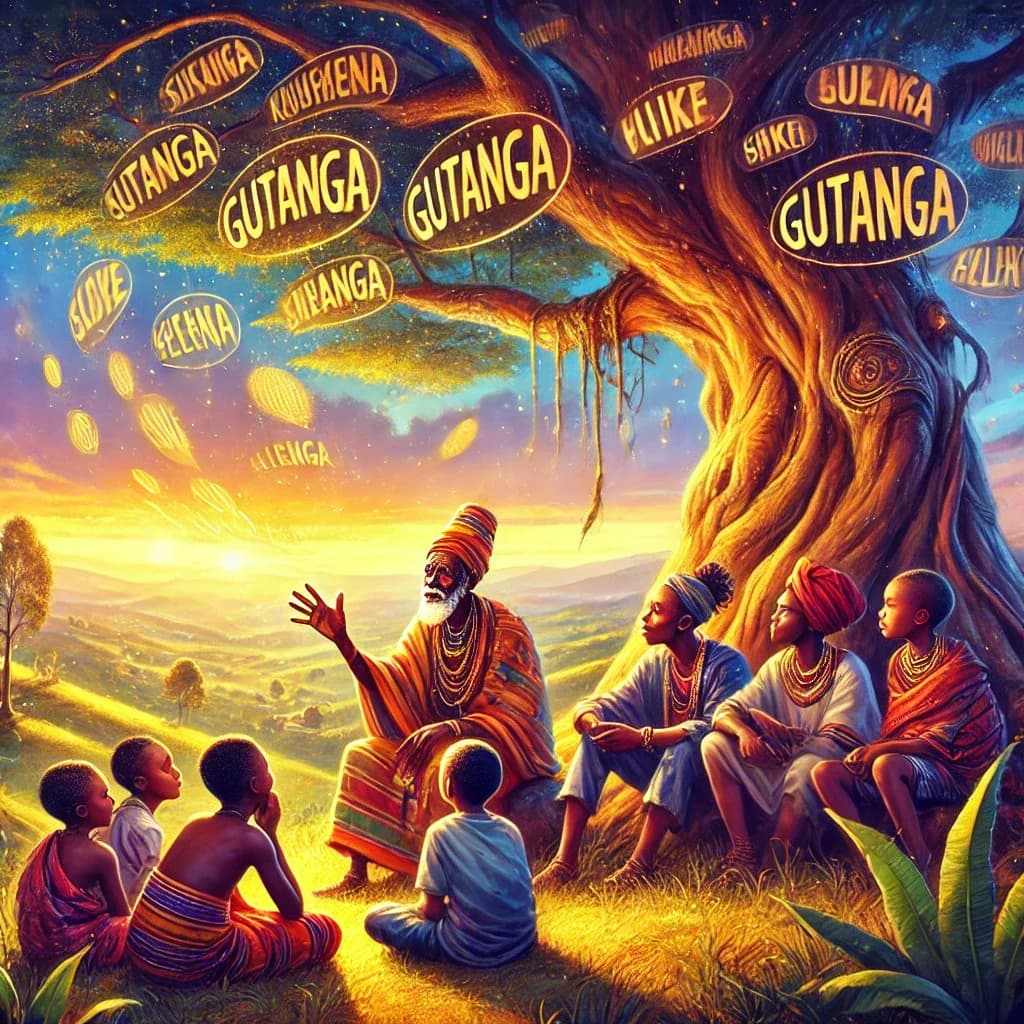
Language is more than just a means of communication; it is a vessel for history, culture, and identity. Kinyarwanda, the national language of Rwanda, stands as one of the most unique and richly expressive languages in the world. It is spoken by over 12 million people, not only in Rwanda but also in neighboring regions of the Democratic Republic of Congo and Uganda. This article delves into the distinctiveness of Kinyarwanda, exploring its linguistic structure, cultural significance, and some of its most intriguing words and expressions, with references to historical sources, academic studies,
Language is more than just a means of communication; it is a vessel for history, culture, and identity. Kinyarwanda, the national language of Rwanda, stands as one of the most unique and richly expressive languages in the world. It is spoken by over 12 million people, not only in Rwanda but also in neighboring regions of the Democratic Republic of Congo and Uganda. This article delves into the distinctiveness of Kinyarwanda, exploring its linguistic structure, cultural significance, and some of its most intriguing words and expressions, with references to historical sources, academic studies, and cultural experts. 1. A Language Rooted in Bantu Heritage Kinyarwanda belongs to the Bantu language family, which includes Swahili, Zulu, and Luganda. Like other Bantu languages, Kinyarwanda is characterized by a noun-class system that affects verb conjugations, adjectives, and pronouns. This linguistic structure creates a rhythmic and logical flow that makes Kinyarwanda both complex and poetic. One of the most remarkable aspects of Kinyarwanda is its extensive use of proverbs (Imigani), metaphors, and euphemisms. These elements reflect the wisdom, humor, and resilience of the Rwandan people. Unlike many languages that rely on direct communication, Kinyarwanda often embraces indirectness, using poetic and philosophical expressions to convey deeper meanings. References: Taylor, C. (1985). A Descriptive and Comparative Grammar of Kinyarwanda and Kirundi. Mouton de Gruyter. Rugemalira, J. (2005). "Bantu Morphosyntax," African Linguistics Journal, 22(1), 56–78. 2. Unique Words in Kinyarwanda and Their Significance Many words in Kinyarwanda have no direct translation in other languages, making the language uniquely expressive. Here are a few examples: “Igitwenge” – More than just laughter, this word captures a deep, genuine form of joyful expression. It is often used to describe someone who laughs with their entire being, reflecting the Rwandan spirit of resilience and happiness. “Gutwika” – Literally meaning "to burn," this word is often used metaphorically to describe someone performing exceptionally well in a task. It is similar to saying "on fire" in English, but in Kinyarwanda, it carries an even stronger intensity. “Ubupfura” – This word embodies a profound sense of integrity, honor, and moral excellence. To possess “ubupfura” is to be a person of great character, showing respect and kindness in all dealings. “Agaciro” – Meaning "dignity" or "self-worth," this word became especially significant in Rwanda’s post-genocide recovery. It reflects the nation's commitment to self-reliance, pride, and resilience in rebuilding a strong and united country. “Ubuhanga” – A term that signifies deep wisdom, intelligence, or expertise. Unlike simply being knowledgeable, “ubuhanga” suggests a mastery of skills or a profound understanding of a subject. “Kwihangana” – This word means patience, but in Kinyarwanda, it extends beyond just waiting. It embodies endurance, perseverance, and the ability to remain calm and resilient in the face of hardship. “Guhahamuka” – A term used to describe a state of trauma or distress. It became an essential word in Rwanda’s history, as it is used to describe the psychological effects of the 1994 Genocide against the Tutsi. “Inkera” – This word refers to a joyful gathering filled with traditional music, dance, and storytelling. It is a celebration of unity and culture, reflecting the communal spirit of Rwandan society. “Gutanga” – A word unique to Rwanda, used specifically to refer to the passing away of a king. Unlike common words for death such as gupfa, gutanga is reserved exclusively for Rwandan royalty. It signifies not just the physical passing of the monarch but also the transition of leadership and the impact on the kingdom. This distinction highlights the deep respect and cultural importance placed on the monarchy in Rwanda's history. References: Kagame, A. (1952). La Philosophie Bantu Comparée (Comparative Bantu Philosophy). Presses Universitaires de Louvain. Nkurunziza, J. (2008). "Language and Post-Conflict Identity: The Case of Kinyarwanda," Rwanda Journal of Linguistic Studies, 3(1), 67–85. 3. Kinyarwanda and the Power of Mass Communication Language is central to communication, and Kinyarwanda plays a crucial role in shaping cultural identity and knowledge transfer in Rwanda. In my book, The Communication Nexus: Unveiling the Power and Reach of Mass Media, I discuss how language influences media representation, public discourse, and cultural preservation. Kinyarwanda has been a fundamental tool for storytelling, news dissemination, and community engagement, ensuring that Rwandans remain connected to their heritage in an evolving media landscape. Modern technology has made it possible for Kinyarwanda speakers to share their culture with the world through digital media, including social media platforms, online publications, and radio broadcasts. However, the dominance of global languages like English and French presents both opportunities and challenges for maintaining linguistic purity and accessibility. References: Banamungu, R. (2024). The Communication Nexus: Unveiling the Power and Reach of Mass Media. 4. Preserving Kinyarwanda in the Modern Age With globalization and the increasing influence of foreign languages such as English and French, the preservation of Kinyarwanda remains crucial. Efforts are being made through education, media, and literature to keep the language alive and vibrant. The rise of digital content in Kinyarwanda, including YouTube channels, online newspapers, and social media pages, is playing a significant role in promoting the language. Additionally, government policies in Rwanda have ensured that Kinyarwanda remains the foundation of education and official communication. References: Murekatete, C. (2020). "The Role of Media in Promoting Indigenous Languages," International Journal of African Languages and Linguistics, 5(2), 45–61. Conclusion Kinyarwanda is more than just a language; it is a reflection of Rwanda’s soul. Its poetic expressions, unique words, and rich history make it one of the most fascinating languages in the world. Whether spoken in daily conversations, sung in traditional songs, or written in literature, Kinyarwanda continues to be a powerful symbol of identity and unity for Rwandans. Through ongoing efforts to celebrate and preserve this linguistic treasure, Kinyarwanda will continue to thrive for generations to come. It is a language of resilience, beauty, and profound meaning—one that carries the heartbeat of a nation. Additional Resources for Learning Kinyarwanda Learn Kinyarwanda by Pierre Niyibizi Kinyarwanda-English Dictionary by Emmanuel Habimana Rwanda Academy of Language and Culture: www.ralc.gov.rw Online Courses: www.laughterpercussionacademy.com.au



Comments
No comments yet. Be the first to share a thought.