
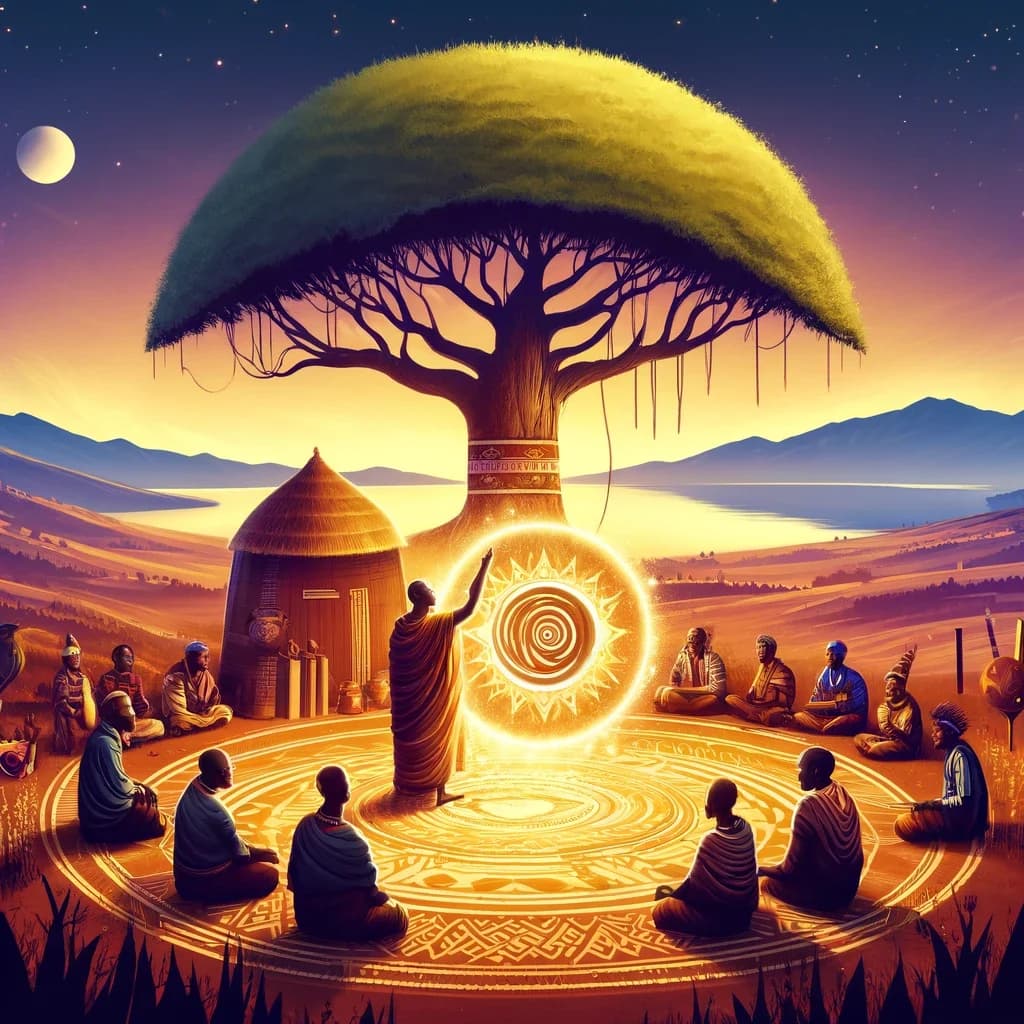
Ubunyarwanda, often understood as the essence of Rwandan identity, encompasses cultural values, unity, and a deep sense of belonging. While traditionally framed as a socio-political and philosophical concept, there is a growing discussion about how Ubunyarwanda could evolve into a religious practice. Central to this transformation is the concept of Kirazira—a moral and ethical code that governs human behavior by defining what is forbidden or sacred in Rwandan society. If structured properly, Ubunyarwanda, with Kirazira as its guiding principle, could form the foundation of a belief system that
Ubunyarwanda, often understood as the essence of Rwandan identity, encompasses cultural values, unity, and a deep sense of belonging. While traditionally framed as a socio-political and philosophical concept, there is a growing discussion about how Ubunyarwanda could evolve into a religious practice. Central to this transformation is the concept of Kirazira—a moral and ethical code that governs human behavior by defining what is forbidden or sacred in Rwandan society. If structured properly, Ubunyarwanda, with Kirazira as its guiding principle, could form the foundation of a belief system that nurtures spirituality, ethical living, and social cohesion. This article explores how Kirazira could shape Ubunyarwanda as a religious practice, examining its moral tenets, spiritual potential, and implications for community life. Understanding Kirazira: The Moral Code of Rwandan Society Kirazira refers to taboos, prohibitions, and sacred laws that guide ethical behavior in Rwandan culture. It serves as an unwritten constitution that governs individual conduct, relationships, and interactions with nature. Unlike mere cultural norms, Kirazira is deeply spiritual—it reflects a belief in cosmic balance, ancestral wisdom, and divine order. Some key aspects of Kirazira include: Respect for Life and Humanity Taking a life without just cause is strictly forbidden (Kirazira kwica umuntu). Mistreating elders, parents, or the vulnerable is considered an offense against nature and the ancestors. Sanctity of Nature and Environment Certain trees, rivers, and mountains are considered sacred, and harming them is forbidden. Wastefulness and destruction of natural resources are seen as acts that disrupt harmony. Purity and Ethical Conduct Dishonesty, betrayal, and breaking promises violate Kirazira. Engaging in sexual immorality, particularly outside of cultural and spiritual rites, is forbidden. Ancestral Reverence and Spiritual Connection The ancestors (Abakurambere) are viewed as intermediaries between the living and the divine. Seeking wisdom from the elders and honoring one’s lineage is a sacred duty. Communal Unity and Solidarity Betraying the community or engaging in selfish acts is considered a spiritual offense. Helping others, particularly in times of need, is a moral obligation. Ubunyarwanda as a Religious Practice To transform Ubunyarwanda into a religious practice, it would require structuring its spiritual elements into a system that guides worship, ethical living, and rituals. This can be done by formalizing the following elements: 1. Belief in a Supreme Being and Spiritual Forces Ubunyarwanda acknowledges the presence of Imana (God) as the source of life and harmony. In a religious framework, Imana would be worshipped as the ultimate force that sustains moral order. The role of the ancestors would be clarified as spiritual guides rather than deities, ensuring that the belief remains monotheistic. 2. Moral Teachings Rooted in Kirazira Religious traditions require ethical frameworks, and Kirazira serves as a natural foundation for this. By formalizing Kirazira into structured teachings, Ubunyarwanda could develop a religious moral code similar to commandments in Abrahamic faiths or the precepts in Buddhism. 3. Rituals and Worship Practices To establish Ubunyarwanda as a religion, spiritual ceremonies would need to be developed: Prayer and Meditation: Worshippers could engage in daily prayers that honor Imana, the ancestors, and the principles of Kirazira. Festivals and Sacred Days: Traditional Rwandan ceremonies, such as Umuganura (Harvest Festival), could be redefined as religious observances celebrating gratitude and unity. Ancestral Remembrance Rites: Honoring ancestors through storytelling, communal gatherings, and sacred offerings could serve as religious rituals. 4. Places of Worship and Spiritual Leaders A religious practice requires places where believers can gather for worship. These could take the form of: Sacred Spaces in Nature: Given that Rwandan spirituality emphasizes nature, hills, rivers, and forests could serve as sites of worship. Community Temples: Spaces dedicated to spiritual learning and ethical guidance could be developed. Spiritual Leaders (Abiru): Elders and knowledge keepers could serve as guides, interpreting Kirazira and leading ceremonies. 5. Initiation and Membership Ubunyarwanda as a religious practice would need formal rites of passage, such as: Naming Ceremonies: A spiritual process where newborns are blessed and introduced to the community. Initiation into Adulthood: Young people could undergo training in Kirazira, ethical leadership, and community service before being fully recognized as spiritual adults. Commitment to the Faith: Converts would affirm their commitment to living according to Ubunyarwanda na Kirazira. The Role of Ubunyarwanda in Modern Society If practiced as a religion, Ubunyarwanda could play a transformative role in addressing modern challenges: Restoring Cultural Identity Many Africans struggle with cultural alienation due to colonial and post-colonial influences. Ubunyarwanda as a faith could reconnect Rwandans to their ancestral roots. Promoting Ethical Leadership With Kirazira as a guiding principle, leaders would be expected to uphold justice, truth, and service to the people. Strengthening Social Cohesion A belief system rooted in community, respect, and unity could reduce divisions and promote national harmony. Environmental Stewardship The reverence for nature within Kirazira could inspire more sustainable practices in agriculture, conservation, and climate action. Challenges and Considerations While the idea of Ubunyarwanda as a religion is compelling, some challenges must be addressed: Institutionalization: How will it be structured? Will it have formal places of worship or remain decentralized? Religious Pluralism: How will it coexist with Christianity, Islam, and other faiths in Rwanda? Universal Appeal: Can it transcend Rwandan identity to attract a global following? Conclusion Ubunyarwanda, through the moral and spiritual framework of Kirazira, has the potential to evolve into a religious practice that fosters ethical living, community cohesion, and spiritual fulfillment. By formalizing its belief in Imana, codifying Kirazira into a structured moral system, and developing worship practices, Ubunyarwanda could serve as a guiding light in the spiritual and ethical journey of its followers. As the world seeks new pathways to moral and social harmony, Ubunyarwanda offers a unique model that blends cultural identity, spiritual wisdom, and community responsibility. Perhaps the time has come to explore its potential as not just a philosophy but a way of worship—a faith that brings people closer to Imana, to each other, and to their highest selves.



Comments
No comments yet. Be the first to share a thought.