
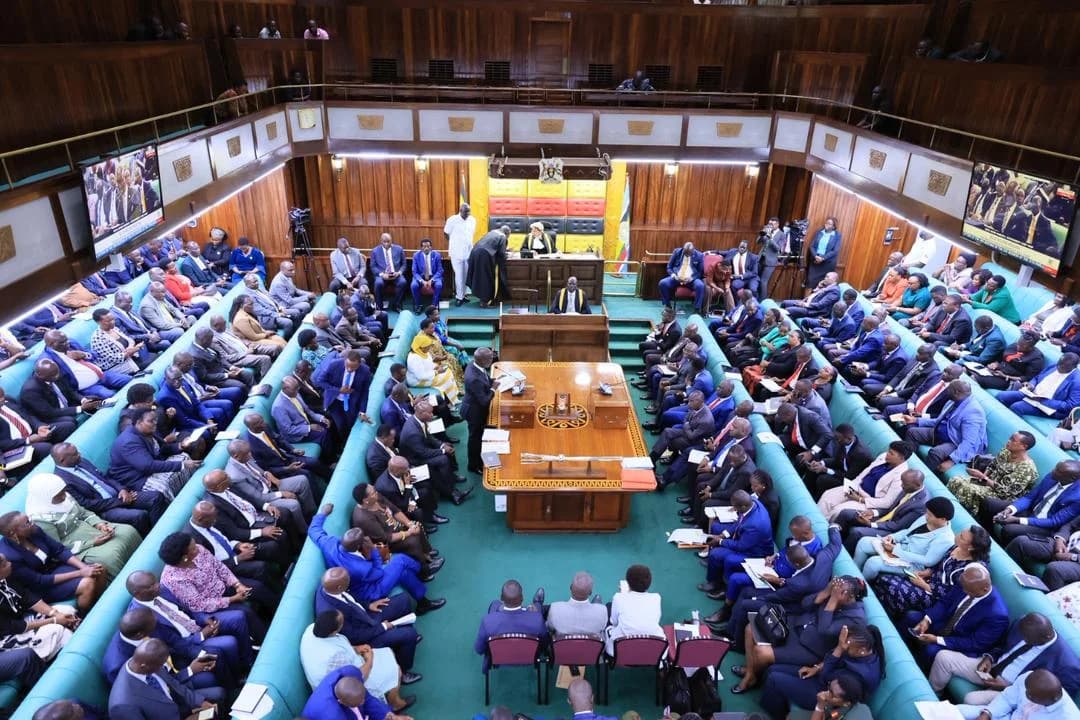
Uganda's Parliament on Tuesday passed the Protection of Sovereignty Bill, 2026 at its Third Reading, according to the Parliament of Uganda, advancing legislation aimed at regulating external influence in domestic affairs. The measure now awaits presidential assent after a sitting marked by opposition objections and procedural disputes. The bill was approved following clause-by-clause consideration, with lawmakers from the ruling National Resistance Movement backing the measure while opposition members objected to aspects of the process and content. Government officials have said the legislatio
Uganda's Parliament on Tuesday passed the Protection of Sovereignty Bill, 2026 at its Third Reading, according to the Parliament of Uganda, advancing legislation aimed at regulating external influence in domestic affairs. The measure now awaits presidential assent after a sitting marked by opposition objections and procedural disputes.
The bill was approved following clause-by-clause consideration, with lawmakers from the ruling National Resistance Movement backing the measure while opposition members objected to aspects of the process and content.
Government officials have said the legislation is intended to safeguard national sovereignty by limiting outside interference in domestic matters, saying it is necessary to protect Uganda's independence from undue foreign influence.
Opposition legislators, however, argued during Tuesday's debate that several provisions had not received sufficient legislative scrutiny and warned the law could restrict civic space and curtail the work of civil society organisations.
Under clause 13 as passed, the bill prohibits economic sabotage, defined as publishing false information or participating in disruptive acts that undermine Uganda's economic system, carrying penalties of up to 10 years' imprisonment or fines of up to 2 billion Ugandan shillings for organizations and 1 billion shillings for individuals. ALSO READ: Museveni Distances Himself From Uganda Sovereignty Bill Provisions on Remittances and FDIs
Oryem Nyeko, Senior Africa Researcher at Human Rights Watch, warned in late April that the bill mirrors measures used by repressive governments and that its broad provisions on foreign funding could affect NGO operations and limit freedom of expression.
Uganda has in recent years enacted laws increasing oversight of civil society and political activity, drawing criticism from international partners.
Analysts say the new bill reflects a wider trend across parts of Africa, where governments are seeking greater control over foreign funding and influence in the civic and digital spheres.



Comments
No comments yet. Be the first to share a thought.