
Usually confined to rural rodent exposure, hantavirus infections can escalate into severe respiratory disease, with a suspected outbreak aboard the MV Hondius cruise ship prompting renewed scrutiny from global health authorities. What is hantavirus? Hantaviruses are a group of viruses carried primarily by rodents, including rats, mice and voles. They are part of the broader family of zoonotic pathogens, diseases transmitted from animals to humans, and are considered uncommon but clinically serious. There are two main forms of disease caused by hantaviruses. Hantavirus Pulmonary Syndrome, or HP
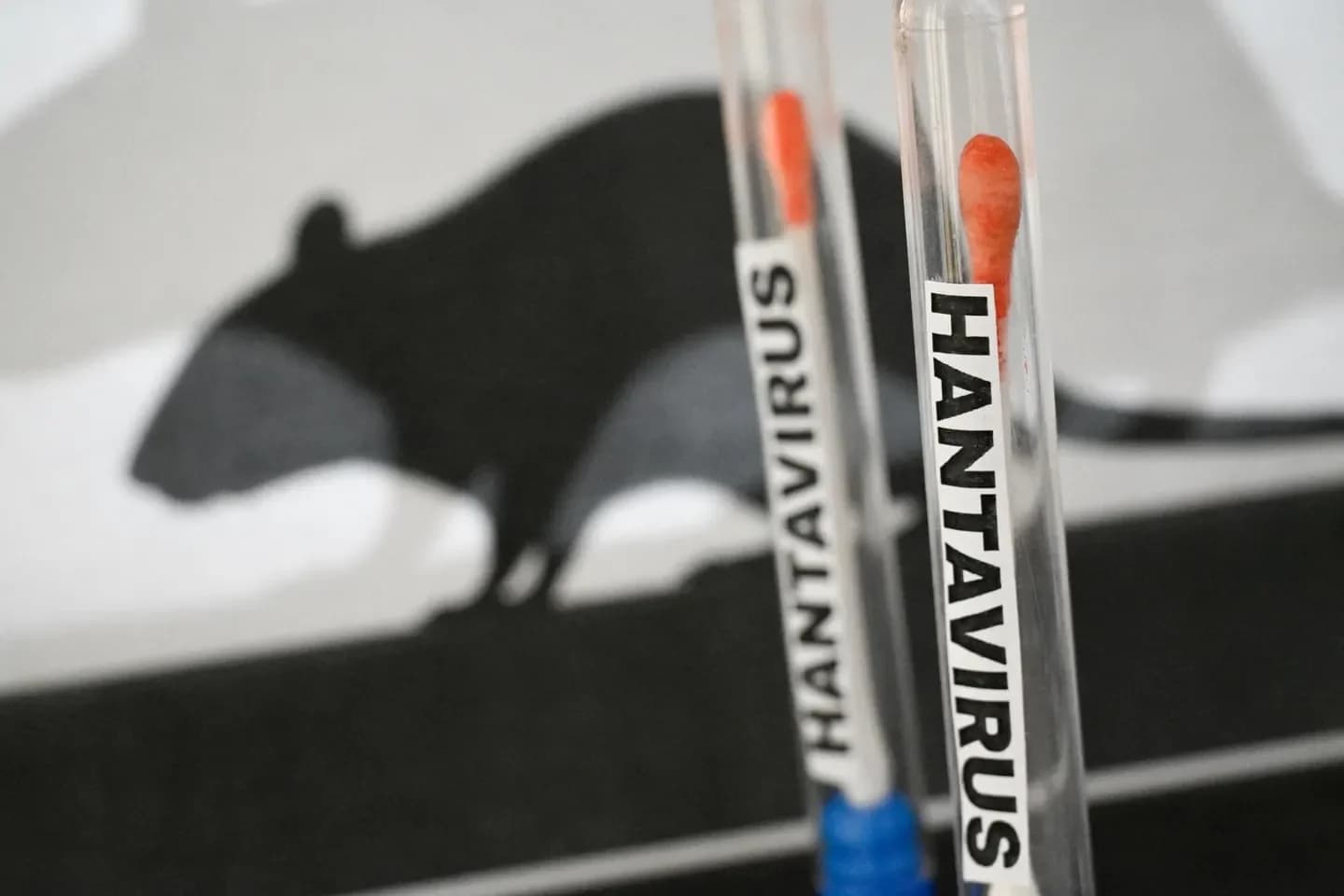
Usually confined to rural rodent exposure, hantavirus infections can escalate into severe respiratory disease, with a suspected outbreak aboard the MV Hondius cruise ship prompting renewed scrutiny from global health authorities.
What is hantavirus?
Hantaviruses are a group of viruses carried primarily by rodents, including rats, mice and voles. They are part of the broader family of zoonotic pathogens, diseases transmitted from animals to humans, and are considered uncommon but clinically serious.
There are two main forms of disease caused by hantaviruses. Hantavirus Pulmonary Syndrome, or HPS, is more common in the Americas and affects the lungs, where it can rapidly lead to respiratory failure. Hemorrhagic Fever with Renal Syndrome, known as HFRS, is more prevalent in Europe and Asia and affects the kidneys, causing bleeding and organ failure in severe cases.
How do people become infected?
Humans typically contract hantavirus through exposure to infected rodent urine, droppings or saliva. Infection most commonly occurs when contaminated dust particles are inhaled, particularly in enclosed or poorly ventilated spaces. Less commonly, infection may occur through bites or direct contact with broken skin.
For most strains, there is no routine human-to-human transmission. However, one notable exception exists: the Andes virus, found primarily in Chile and Argentina, is the only known hantavirus strain capable of limited person-to-person spread. Even then, transmission requires close and prolonged contact and remains extremely rare.
What are the symptoms?
Early symptoms can closely resemble common viral infections, which makes early diagnosis difficult. These include fever and fatigue, muscle aches, headache and dizziness, and abdominal pain or nausea.
In severe cases, particularly with HPS, symptoms can escalate rapidly to shortness of breath, fluid accumulation in the lungs and acute respiratory failure. The window between early symptoms and severe illness can be short, which is why suspected cases are treated as medical emergencies.
Symptoms of HPS typically appear between two and four weeks after initial exposure, though onset can occur as early as one week or as late as eight weeks following infection.
How fatal is hantavirus?
Fatality rates vary significantly by region and strain. In Asia and Europe, case fatality rates range from less than 1% to 15%, while in the Americas rates can reach up to 50% in severe cases. Globally, the Americas reported 229 hantavirus cases and 59 deaths across eight countries in 2025, reflecting a case fatality rate of 25.7%.
Is there a treatment?
There is no specific antiviral cure for hantavirus. Treatment is supportive and focused on managing symptoms, and may include oxygen therapy or mechanical ventilation, fluid management, and intensive care monitoring in severe cases. Early hospitalization significantly improves outcomes.
While ribavirin has shown some efficacy against Hemorrhagic Fever with Renal Syndrome, it has not demonstrated effectiveness against Hantavirus Pulmonary Syndrome and is not approved for either treatment or prevention of HPS. At present, no specific antiviral treatment exists for HPS.
Is there a vaccine?
There is currently no approved vaccine for hantavirus available to the general public. Research into potential vaccines has been ongoing for decades, but no candidate has yet received regulatory approval for widespread use. This means prevention remains entirely dependent on avoiding exposure to infected rodents and their waste.
How is hantavirus diagnosed?
Diagnosis is confirmed through serologic testing for IgM or IgG antibodies using enzyme-linked immunoassay, or through reverse transcriptase polymerase chain reaction testing to detect viral RNA. Early diagnosis is critical given how rapidly severe cases can progress.
How can infection be prevented?
Prevention centers on reducing exposure to infected rodents and their waste. Key measures include sealing food and water supplies in rodent-proof containers, avoiding sweeping or vacuuming rodent-infested areas, which can aerosolize contaminated particles, using disinfectants to clean affected surfaces, and improving ventilation in enclosed storage or accommodation spaces.
In travel settings, avoiding contact with rodents or their nesting areas during outdoor excursions in endemic regions is strongly advised.
Why is the cruise ship outbreak drawing attention?
The suspected cluster aboard the MV Hondius has drawn unusual scrutiny not because hantavirus is new, but because of the setting. Infections are typically linked to rural or semi-rural environments where people come into contact with infected rodent populations. A cruise ship environment, enclosed, internationally mobile, and with passengers making stops at remote wildlife-rich islands, presents a more complex exposure and containment challenge. ALSO READ: Three Dead in Suspected Hantavirus Outbreak on Atlantic Cruise Ship
The WHO has noted that while hantavirus outbreaks remain rare, global mobility and enclosed environments can increase the risk of exposure to contaminated materials if rodent control is inadequate.
What is the broader public health risk?
Health authorities have been clear that the risk to the general public remains low. Unlike airborne viruses such as influenza or COVID-19, hantavirus does not spread easily in public spaces. The WHO has advised against travel restrictions in connection with the current outbreak.
However, public health agencies treat even small clusters as high-priority investigations due to the potential severity of illness, the non-specific nature of early symptoms, and the speed at which severe cases can develop.
Experts say hantavirus remains a reminder that zoonotic diseases continue to emerge in settings where humans and wildlife intersect, and that vigilance, rapid detection, and sanitation remain the most effective tools available.



Comments
No comments yet. Be the first to share a thought.