
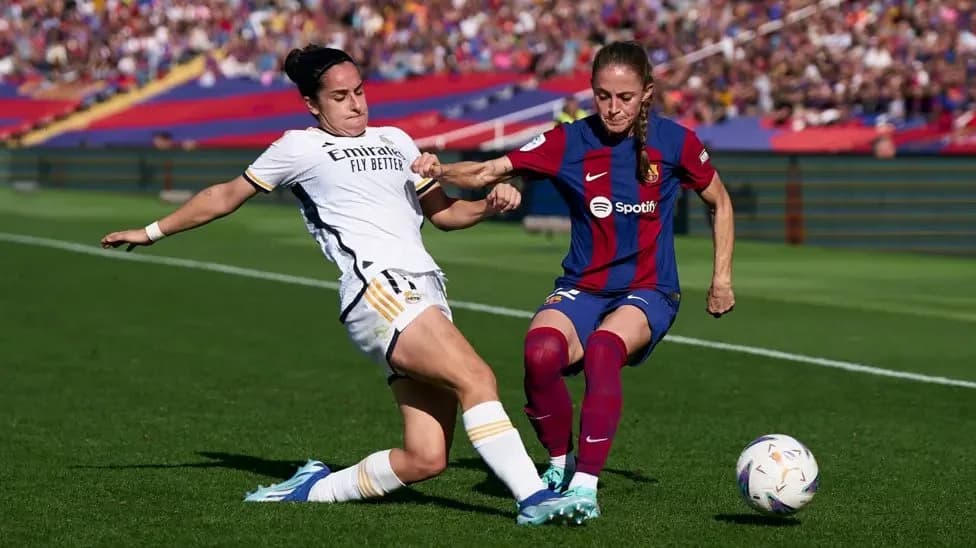
Women’s football is projected to generate more than $1 billion in global revenue by 2027, but many professional players continue to face low salaries, short-term contracts and growing psychological pressure, according to a new global survey by players’ union Fifpro.
Women’s football is projected to generate more than $1 billion in global revenue by 2027, but many professional players continue to face low salaries, short-term contracts and growing psychological pressure, according to a new global survey by players’ union Fifpro.
The survey, which involved more than 800 footballers, highlights a growing gap between the commercial expansion of the women’s game and the working conditions of the players driving its success.
Fifpro estimates that global revenue in women’s football will rise from approximately $581 million in 2024 to more than $1 billion in 2027. However, the report suggests that increased investment and visibility have not translated into adequate financial security and welfare support for many players.
According to the findings, 59% of players considering leaving football early cited financial reasons, while 46% identified psychological stress as a contributing factor.
The report also found that 57% of respondents struggled with their mental health, with half of those players saying their clubs had not provided the support they needed.
Alex Culvin, Fifpro’s head of women’s football, warned that greater public exposure and social media visibility were placing additional demands on players, many of whom lack sufficient financial and psychological support.
Financial insecurity remains a major concern. Although average monthly earnings have tripled since 2017 to $2,601, the median salary stands at just $1,669, highlighting significant differences in what players earn.
In Africa, average monthly earnings were reported at $480, considerably below the figures recorded in North America and Central and Western Europe.
The survey also found that only 78% of respondents had written contracts, while just 57% earned enough to cover the costs of playing football. Additionally, 24% reported experiencing late payments over the previous two seasons.
Fifpro is calling for stronger regulations, improved player protection and greater involvement of footballers in decisions affecting their careers.
The report argues that commercial growth must be accompanied by better working conditions, fair wages and mental health support to ensure women’s football develops sustainably worldwide.


Comments
No comments yet. Be the first to share a thought.