
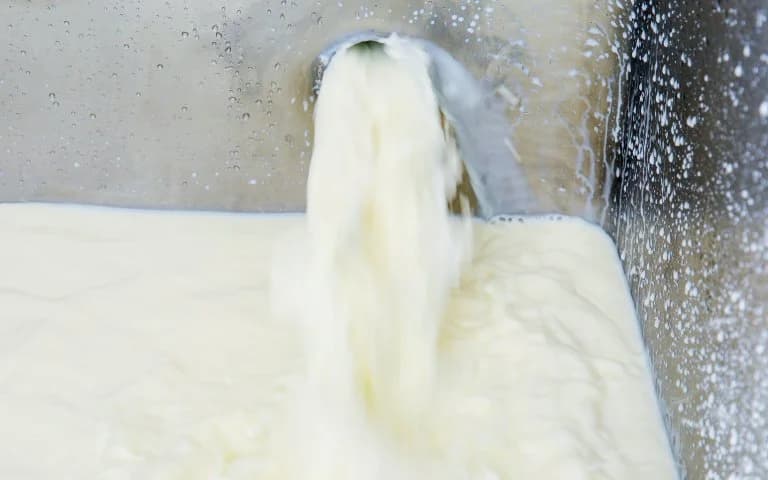
World Milk Day is being celebrated globally today, highlighting the importance of milk as a vital source of nutrition, health, and economic development. Established in 2001 by the Food and Agriculture Organization (FAO) of the United Nations, the day continues to raise awareness about the role of dairy in improving diets, supporting farmers, and strengthening food security worldwide. In Rwanda, World Milk Day 2026 highlights encouraging progress in the dairy sector, with steady improvements in milk production and consumption over the years. Government reports from 2024 show that milk consumpt
World Milk Day is being celebrated globally today, highlighting the importance of milk as a vital source of nutrition, health, and economic development. Established in 2001 by the Food and Agriculture Organization (FAO) of the United Nations, the day continues to raise awareness about the role of dairy in improving diets, supporting farmers, and strengthening food security worldwide. In Rwanda, World Milk Day 2026 highlights encouraging progress in the dairy sector, with steady improvements in milk production and consumption over the years. Government reports from 2024 show that milk consumption per person in Rwanda has increased significantly, reflecting national efforts to improve nutrition and strengthen the livestock sector. According to government data, a Rwandan now consumes an estimated 78.7 litres of milk per year, a major increase compared to 20.5 litres in 2005. This represents a nearly fourfold rise over the past decades, showing strong growth in both production capacity and access to dairy products across the country. The government in 2024 attributed this progress to several key interventions, including stronger farmer cooperatives, improved access to agricultural financing, and increased use of livestock insurance. These measures have helped farmers invest more confidently in dairy farming, resulting in higher productivity and a more stable milk supply. Official statistics also show a long-term upward trend in milk consumption. In 1998, consumption was about 6 litres per person per year. By 2016, it had risen to 59 litres, and it has now reached 78.7 litres, demonstrating consistent growth driven by sustained agricultural reforms. The government further notes that improvements in cattle breeds, veterinary services, milk collection systems, and dairy infrastructure have played a major role in boosting production and ensuring wider availability of milk across both rural and urban areas. Milk has now become an essential part of daily diets in Rwanda, especially for children, contributing to better nutrition, stronger immunity, and healthier growth. Its increasing availability also reflects the country’s broader commitment to fighting malnutrition and improving food security. As Rwanda joins the global community in celebrating World Milk Day 2026, the country’s dairy progress stands as a positive example of how agricultural development can transform both nutrition and rural livelihoods. The steady rise in milk consumption highlights a growing culture of health, productivity, and sustainable food systems.



Comments
No comments yet. Be the first to share a thought.