
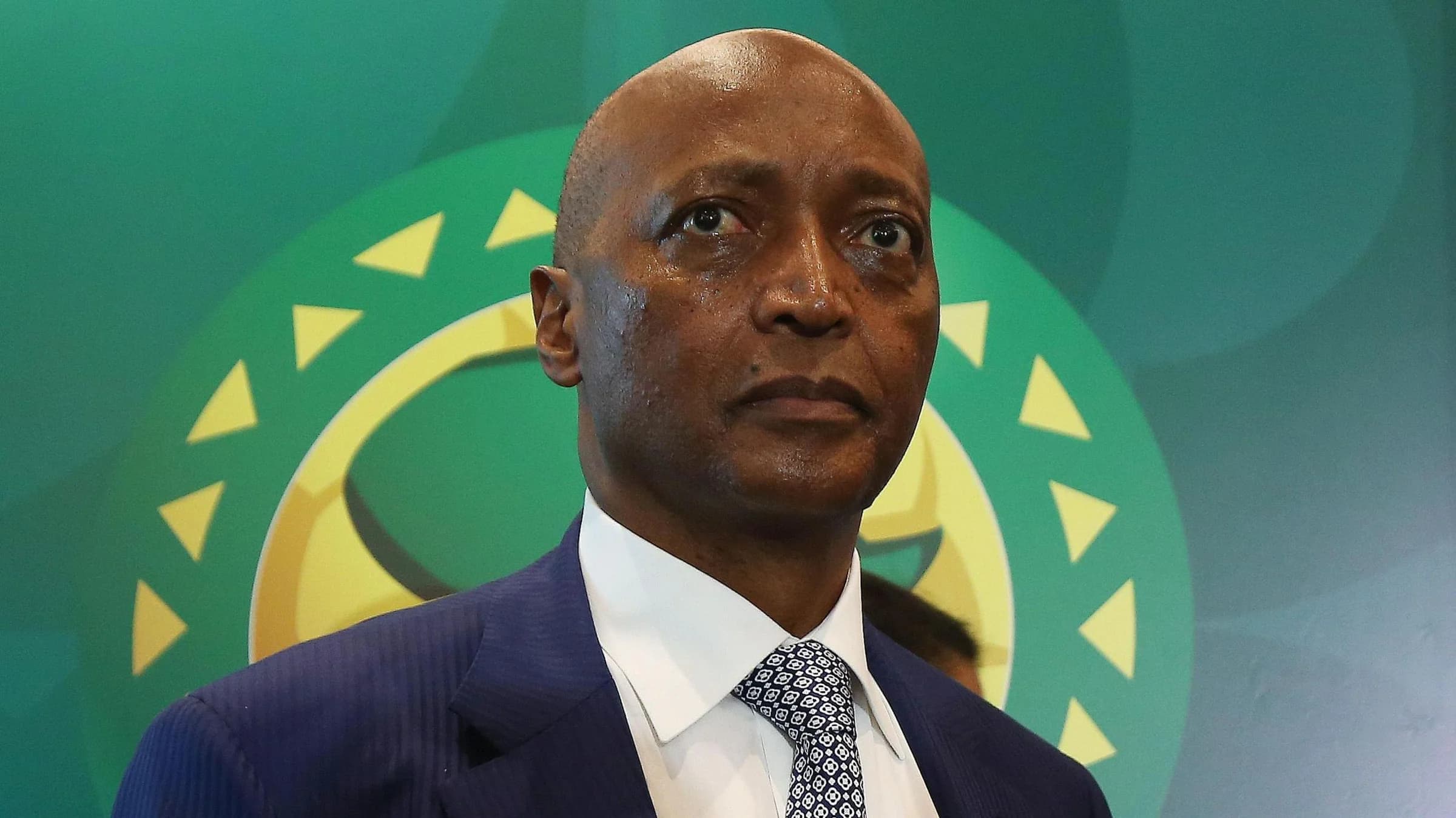
The Confederation of African Football (CAF) has announced sweeping changes to the structure of African football, with Africa Cup of Nations (AFCON) set to move to a four-year cycle starting in 2028. The announcement was confirmed by CAF President Patrice Motsepe. Speaking on the future direction of the game on the continent, Motsepe said the reforms are aimed at strengthening competitiveness, improving player development, and elevating the global profile of African football. Under the new framework, AFCON—which has traditionally been staged every two years—will be organized once every four y
The Confederation of African Football (CAF) has announced sweeping changes to the structure of African football, with Africa Cup of Nations (AFCON) set to move to a four-year cycle starting in 2028. The announcement was confirmed by CAF President Patrice Motsepe. Speaking on the future direction of the game on the continent, Motsepe said the reforms are aimed at strengthening competitiveness, improving player development, and elevating the global profile of African football. Under the new framework, AFCON—which has traditionally been staged every two years—will be organized once every four years, aligning it more closely with major global tournaments such as the FIFA World Cup and the UEFA European Championship. CAF believes the change will allow better preparation, higher quality competitions, and reduced congestion in the football calendar. In another major development, Motsepe confirmed that prize money for the current AFCON edition has been increased to $10 million, a move expected to motivate national teams and improve investment in football development across member associations. CAF also plans to introduce a new competition, the African Nations League, starting in 2029. The tournament will be held annually during FIFA international windows in September, October, and November, ensuring minimal disruption to club football. The Nations League is designed to provide African national teams with more regular, high-level competitive matches outside of major tournaments. “These reforms are about creating more value for African football—sporting, commercial, and developmental,” Motsepe said, emphasizing CAF’s ambition to make African competitions more attractive to fans, sponsors, and broadcasters worldwide. The decisions mark one of the most significant structural shifts in African football in decades and are expected to reshape international competition for national teams across the continent.



Comments
No comments yet. Be the first to share a thought.