
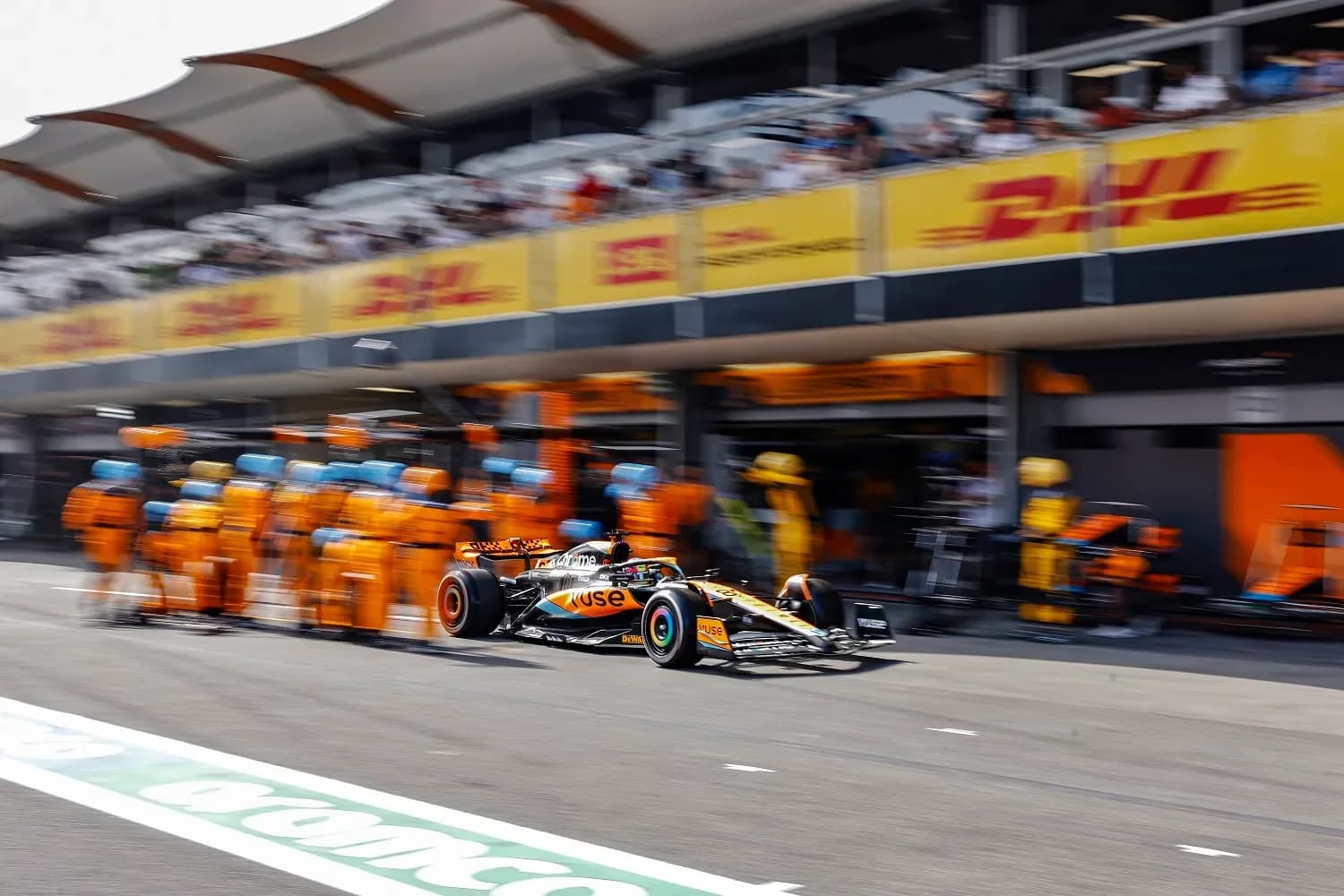
Building a Formula 1–standard racing circuit is far more than laying down asphalt and drawing racing lines. It is a massive infrastructure project that requires advanced engineering, cutting-edge technology, and heavy financial investment. Based on conservative estimates, even a mid-level Formula 1 facility demands tens of billions of Rwandan Francs to meet international standards. To begin with, a modern grandstand capable of accommodating more than 35,000 spectators is a basic requirement. Such a structure must meet strict safety, comfort, and visibility standards. Constructing a grandstand
Building a Formula 1–standard racing circuit is far more than laying down asphalt and drawing racing lines. It is a massive infrastructure project that requires advanced engineering, cutting-edge technology, and heavy financial investment. Based on conservative estimates, even a mid-level Formula 1 facility demands tens of billions of Rwandan Francs to meet international standards. To begin with, a modern grandstand capable of accommodating more than 35,000 spectators is a basic requirement. Such a structure must meet strict safety, comfort, and visibility standards. Constructing a grandstand of this capacity alone would require no less than RWF 30 billion. Another critical component of a Formula 1 circuit is the pit and garage complex. This is where teams refuel, change tyres, and carry out rapid mechanical repairs during races. Located near the start and finish line, this area must be designed for precision, speed, and safety. For a medium-level circuit, the construction of this facility is estimated at RWF 50 billion, making it one of the most expensive elements of the project. Media infrastructure is also a non-negotiable aspect of Formula 1. The sport is a global television product, watched by hundreds of millions of viewers worldwide. As a result, a state-of-the-art media centre must be built, equipped with advanced communication systems, live-broadcast facilities, and press conference rooms. The cost of such a media facility cannot realistically fall below RWF 15 billion. Safety is at the heart of Formula 1. Given the high speeds involved and the frequency of serious accidents, every circuit must include a fully equipped medical centre operating at the level of a top-tier hospital. This medical unit must be ready to respond instantly to emergencies involving drivers, officials, or spectators. The minimum estimated cost for such a facility is RWF 5 billion. Finally, no Formula 1 race can take place without sophisticated technological infrastructure. This includes high-definition broadcast screens around the circuit, advanced camera systems that track cars in real time, instant replay and slow-motion capabilities, race-control systems, digital advertising boards, and other smart technologies that allow fans and officials to follow every moment of the race. Investment in this area alone is estimated at no less than RWF 30 billion. In total, these core components already push the cost of a Formula 1–ready circuit well beyond RWF 130 billion, without even factoring in land acquisition, track construction, safety barriers, logistics, hotels, and surrounding transport infrastructure. This reality underlines why hosting Formula 1 is not just a sporting ambition, but a major national investment requiring long-term planning, strong economic backing, and a clear strategic vision.


Comments
No comments yet. Be the first to share a thought.