
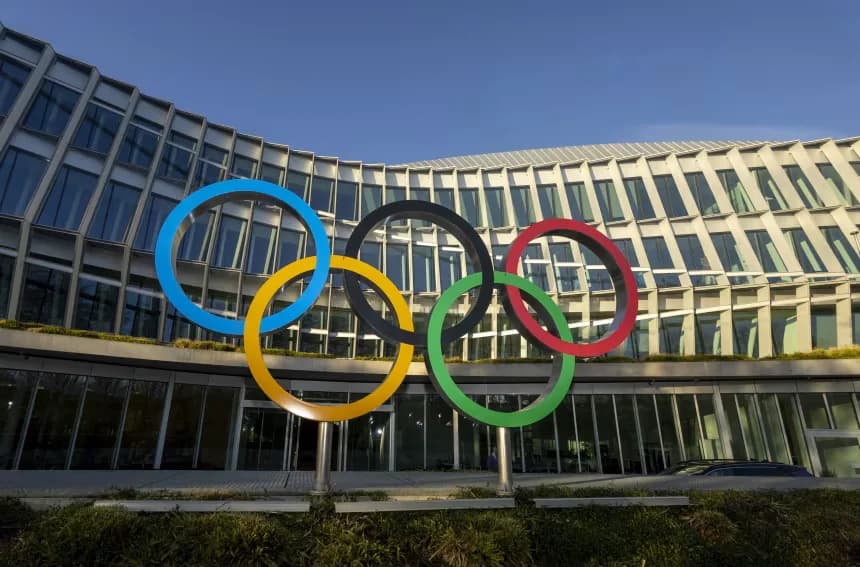
The International Olympic Committee said on Thursday it will restrict eligibility for women’s events at the Olympic Games to biological females from the 2028 Los Angeles Games, following a review of scientific and medical evidence. The policy introduces a mandatory, one-time genetic screening for the SRY gene (typically associated with male biological development) to determine eligibility for female competition. Testing may be conducted through saliva, cheek swab or blood samples, the IOC said in a statement. The move marks a shift from the IOC’s 2021 framework, which allowed international fed
The International Olympic Committee said on Thursday it will restrict eligibility for women’s events at the Olympic Games to biological females from the 2028 Los Angeles Games, following a review of scientific and medical evidence.
The policy introduces a mandatory, one-time genetic screening for the SRY gene (typically associated with male biological development) to determine eligibility for female competition. Testing may be conducted through saliva, cheek swab or blood samples, the IOC said in a statement.
The move marks a shift from the IOC’s 2021 framework, which allowed international federations to set their own rules for transgender athletes and those with differences in sex development (DSD), a group of conditions involving atypical chromosomal, hormonal or anatomical sex characteristics.
IOC President Kirsty Coventry said the decision followed a review conducted between September 2024 and March 2026, involving medical, legal and ethical experts, as well as feedback from more than 1,100 athletes.
“At the Olympic Games, even the smallest margins can determine outcomes,” Coventry said. “We believe this approach helps ensure fair competition in the women’s category.”
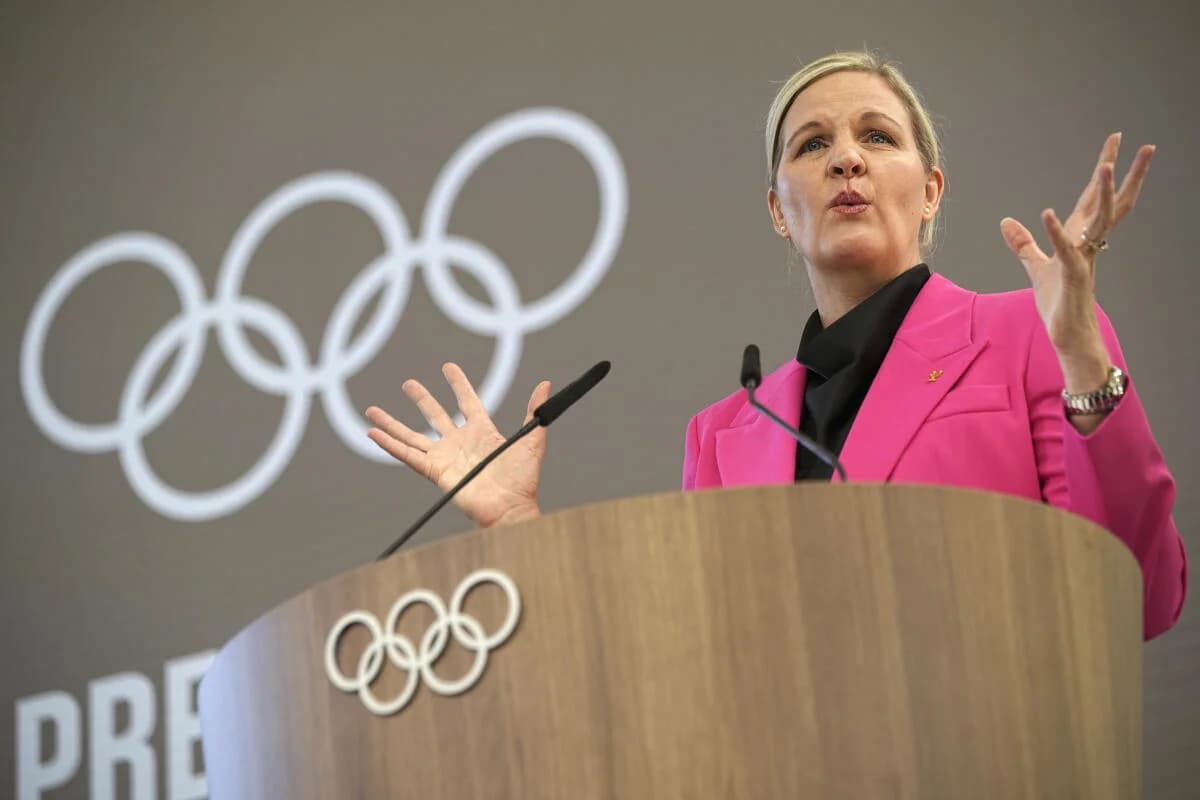
New International Olympics Committee president Kirsty Coventry speaks during the handover ceremony of the IOC presidency at Olympic House in Lausanne, Switzerland. / Associated Press
The IOC said its analysis found that athletes who have undergone male puberty may retain performance advantages over biological females, estimating differences of 10–12% in running and swimming events, at least 20% in most throwing and jumping events, and potentially higher margins in explosive power sports.
The policy allows for limited exceptions. Athletes with certain DSD conditions: including Complete Androgen Insensitivity Syndrome (CAIS), where individuals do not respond to testosterone, may remain eligible if they do not benefit from performance-enhancing effects of the hormone.
South African runner Caster Semenya, who has been at the centre of legal challenges over testosterone regulations, criticised the IOC’s decision, calling it “exclusion with a new name” and saying it amounted to “walking backward”.

South Africa's Caster Semenyaa after she won a partial victory at the European Court of Human Rights. /AP
Algerian boxer Imane Khelif, whose gold medal at the Paris 2024 Olympics became a flashpoint in the debate over eligibility rules, told CNN last month she would be willing to undergo genetic testing to compete at the Los Angeles Games.

Algerian gold medallist boxer Imane Khelif speaks in Doha on December 7, 2024. © /AFP
Taiwan’s Lin Yu-ting, the other gold medallist at the centre of the controversy, has already passed a gene test and is eligible to return to competition under current boxing regulations.
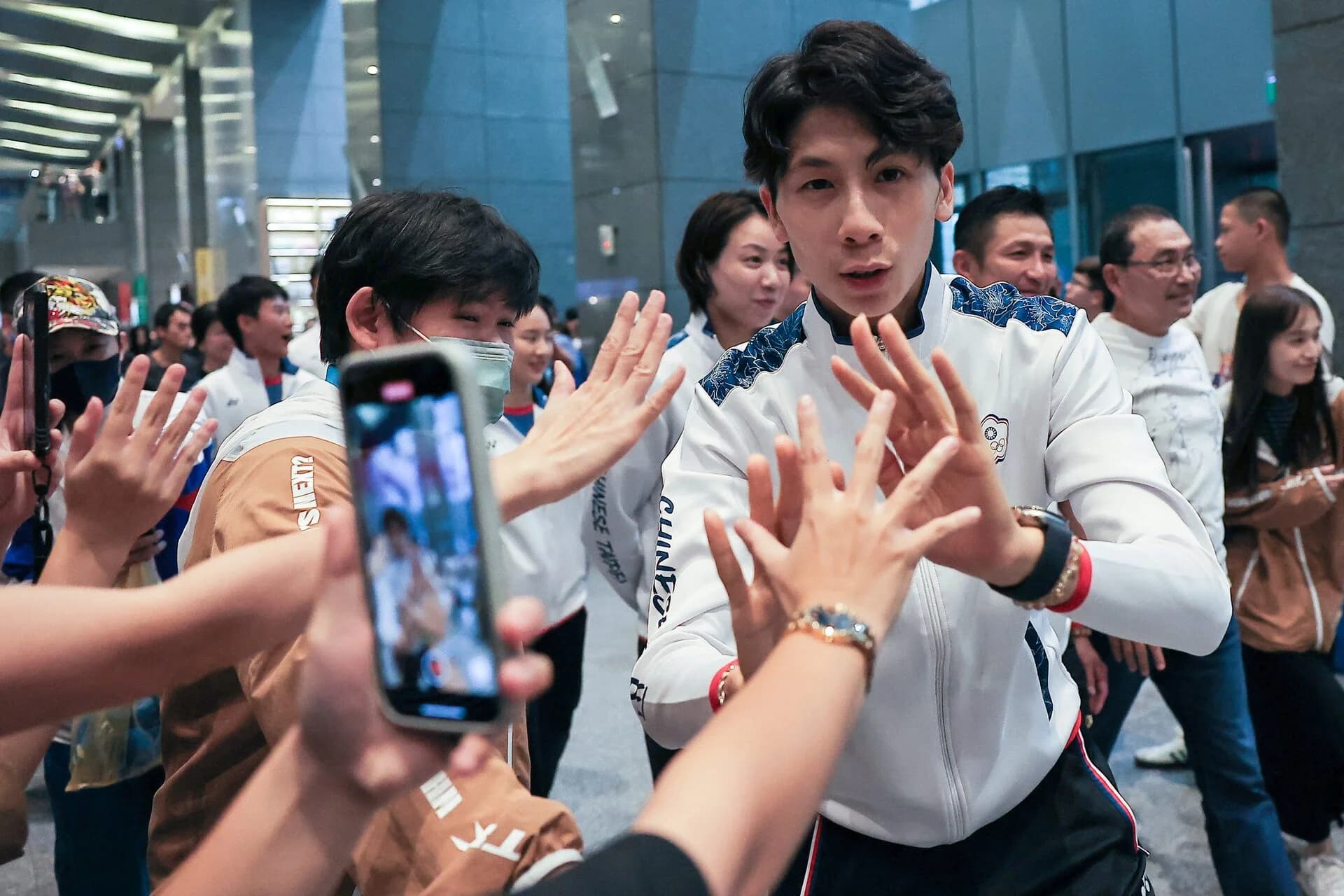
Gold medalist boxer Lin Yu-ting interact with fans as she attends an event in New Taipei City Taiwan August 15, 2024. /REUTERS
Human rights groups also condemned the policy. The Sport & Rights Alliance said mandatory genetic testing raised concerns about privacy and discrimination, while supporters of the move said it was necessary to preserve fairness in women’s sport.
The IOC said the policy is not retroactive and will apply from the 2028 Olympics in Los Angeles. It added that the rules are limited to elite international competition and do not extend to grassroots sport.
The decision comes amid broader political debate over transgender participation in sport, including in the United States. Coventry said the issue had been a priority for the IOC well before recent political developments and that the organisation had not faced external pressure.
Any legal challenge to the policy is likely to be heard at the Court of Arbitration for Sport, which has previously ruled on athlete eligibility cases, including Semenya’s. In 2023, the European Court of Human Rights found that aspects of the CAS process in her case had violated her rights, a ruling that adds scrutiny to how future eligibility disputes will be adjudicated.


Comments
No comments yet. Be the first to share a thought.