
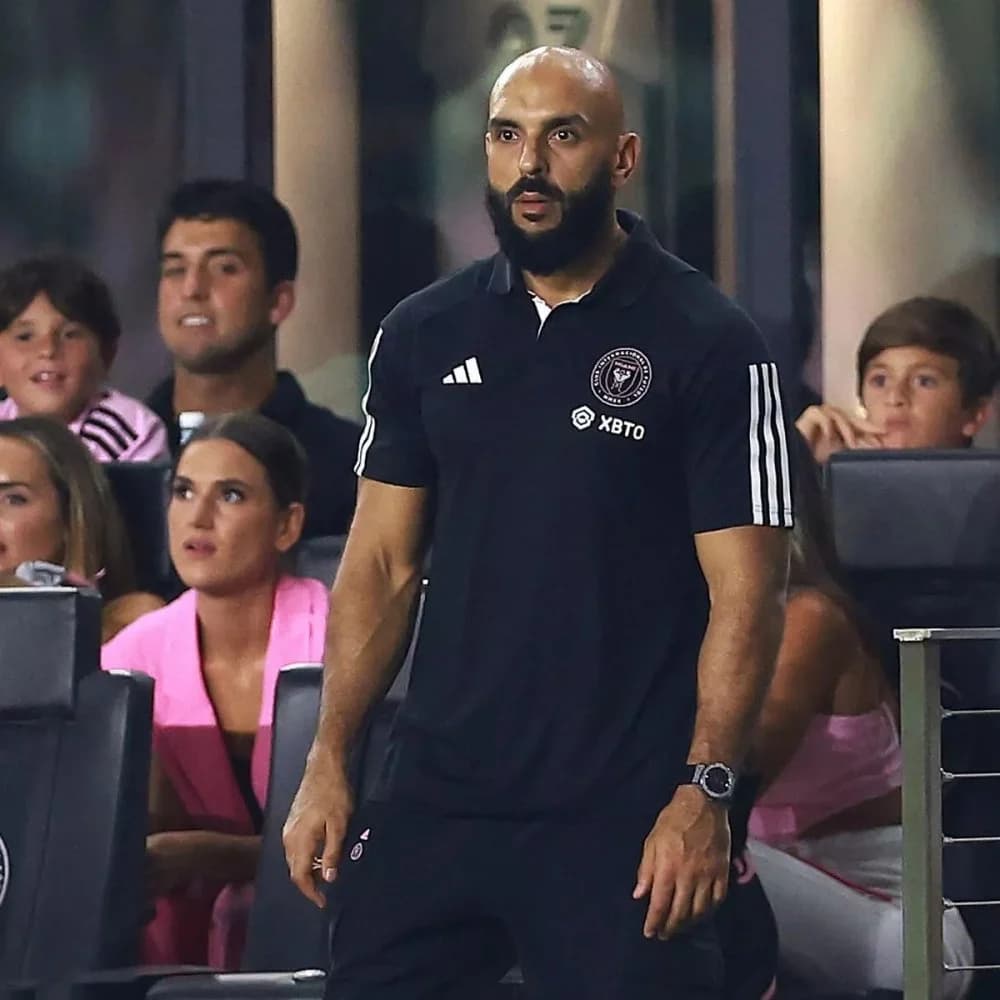
Lionel Messi’s personal bodyguard, Yassine Cheuko, has been barred by Major League Soccer (MLS) from accessing the touchline during Inter Miami matches. The decision is part of the league’s broader initiative to assume full control over matchday security for its players, particularly high-profile figures like Messi. Since Messi’s arrival in the United States, Cheuko has been a highly visible presence, ensuring the Argentine superstar’s safety both on and off the pitch. The former U.S. Navy SEAL, known for his rapid response to security threats, has often been seen escorting Messi and interven
Lionel Messi’s personal bodyguard, Yassine Cheuko, has been barred by Major League Soccer (MLS) from accessing the touchline during Inter Miami matches. The decision is part of the league’s broader initiative to assume full control over matchday security for its players, particularly high-profile figures like Messi. Since Messi’s arrival in the United States, Cheuko has been a highly visible presence, ensuring the Argentine superstar’s safety both on and off the pitch. The former U.S. Navy SEAL, known for his rapid response to security threats, has often been seen escorting Messi and intervening swiftly when fans attempt to approach him. His dedication has drawn significant attention, especially as the number of pitch invaders has surged since Messi’s move to Inter Miami. Cheuko has expressed his concerns about the increasing security threats Messi faces in MLS. Drawing comparisons to his previous experience, he noted, “During my seven years in Europe, working in France’s top league and the UEFA Champions League, only six pitch invasions occurred. However, in the 20 months since I started working in the U.S., there have already been 16.” Despite this alarming rise, MLS has decided to restrict Cheuko’s presence to locker rooms and mixed zones, preventing him from patrolling the touchline as he did before. The league’s stance is aimed at maintaining a standardized security approach across all teams. MLS wants security protocols to be handled by its own personnel rather than individual player-assigned bodyguards. However, Cheuko believes that his exclusion from the touchline creates a security gap. “They don’t allow me on the field anymore,” Cheuko stated. “There’s a huge problem here. I’m not the problem. I just want to help Messi.” He also emphasized the need for MLS and CONCACAF to work together to enhance security, suggesting that his experience could be an asset rather than a hindrance. The ban on Cheuko raises broader questions about the balance between personal security details and league-managed safety measures. While the MLS aims to standardize security, the unique challenges posed by Messi’s global stature make his case exceptional. His presence attracts overwhelming fan attention, often necessitating heightened security measures beyond those implemented for other players. Despite the restrictions, Cheuko remains committed to Messi’s safety and continues to oversee his protection in designated areas. As MLS navigates this evolving situation, the collaboration between private security and official protocols will be crucial in maintaining both player safety and the integrity of the sport.

Comments
No comments yet. Be the first to share a thought.