
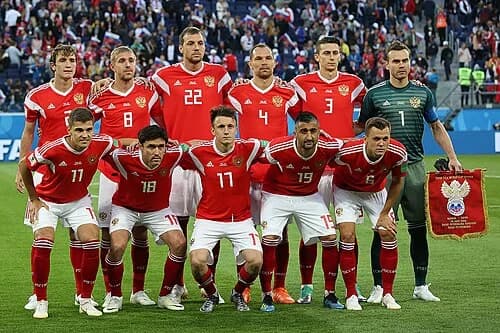
Russia is reportedly planning an ambitious and unconventional football project: a parallel international tournament during the 2026 World Cup, designed specifically for teams that failed to qualify. The idea, developed by the Russian Football Union (RFU), aims to restore Russia’s presence on the global football stage after its suspension from FIFA and UEFA competitions in 2022. Preliminary reports suggest that the tournament could include Russia, Serbia, Greece, Chile, Peru, Venezuela, Nigeria, Cameroon, and China. If realized, it would be an unprecedented event, bringing together historicall
Russia is reportedly planning an ambitious and unconventional football project: a parallel international tournament during the 2026 World Cup, designed specifically for teams that failed to qualify. The idea, developed by the Russian Football Union (RFU), aims to restore Russia’s presence on the global football stage after its suspension from FIFA and UEFA competitions in 2022. Preliminary reports suggest that the tournament could include Russia, Serbia, Greece, Chile, Peru, Venezuela, Nigeria, Cameroon, and China. If realized, it would be an unprecedented event, bringing together historically strong football nations alongside teams seeking competitive experience. Beyond sport, the project is seen as a political and strategic move, signaling Russia’s continued relevance in international football despite sanctions. The Russian national teams were suspended by FIFA and UEFA following the 2022 invasion of Ukraine, a decision upheld by the Court of Arbitration for Sport (CAS). CAS cited safety concerns and force majeure linked to the conflict, maintaining that Russian teams could not participate in official competitions “until further notice.” Furthermore, CAS clarified that if Russia were allowed to host matches, its teams might still be required to compete without national symbols, including the flag and anthem. Under FIFA regulations, all international tournaments must adhere to the official International Match Calendar, meaning any parallel World Cup would require FIFA’s explicit approval to gain legitimacy. Without such sanction, the competition would likely remain symbolic, potentially limited to friendlies rather than a recognized championship. Analysts note that the RFU’s initiative is driven by a mix of sporting ambition and geopolitical signaling. It aims to maintain competitive activity for non-qualified teams, showcase Russia’s ability to host major events, and potentially strengthen its case for future reintegration into FIFA competitions. However, the project faces significant structural and legal challenges, and its viability largely depends on FIFA’s approval and the broader international response. In essence, while the “parallel World Cup” concept is bold and attention-grabbing, its realization remains uncertain amid regulatory, political, and logistical constraints.
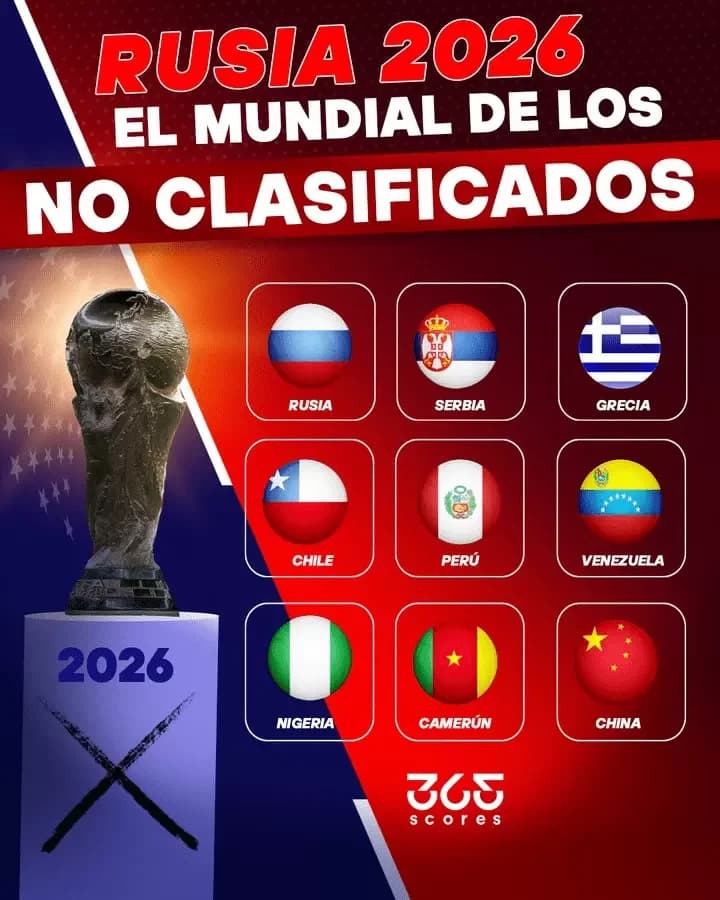
“Potential participants in Russia’s proposed 2026 parallel tournament for non-qualified World Cup teams.”



Comments
No comments yet. Be the first to share a thought.