
The period between 1990 and 2010 stands as one of the most transformative eras in football history. Driven by globalization, tactical innovations, technological advancements, and the emergence of exceptional talents, this era redefined the beautiful game, making it a global phenomenon. The 1990s and early 2000s marked the globalization of football , as the sport expanded beyond the dominance of European and South American teams. Regions such as Asia, North America, and Africa began to assert their presence on the global stage, introducing new philosophies and redefining the competitive landsc
The period between 1990 and 2010 stands as one of the most transformative eras in football history. Driven by globalization, tactical innovations, technological advancements, and the emergence of exceptional talents, this era redefined the beautiful game, making it a global phenomenon.
The 1990s and early 2000s marked the globalization of football
, as the sport expanded beyond the dominance of European and South American teams.
Regions such as Asia, North America, and Africa began to assert their presence on the global stage, introducing new philosophies and redefining the competitive landscape.
A landmark moment came with the 2002 FIFA World Cup, co-hosted by South Korea and Japan. This tournament not only demonstrated Asia's love for the sport but also highlighted the region’s ability to compete at the highest level. South Korea's historic semi-final run remains a testament to this shift.
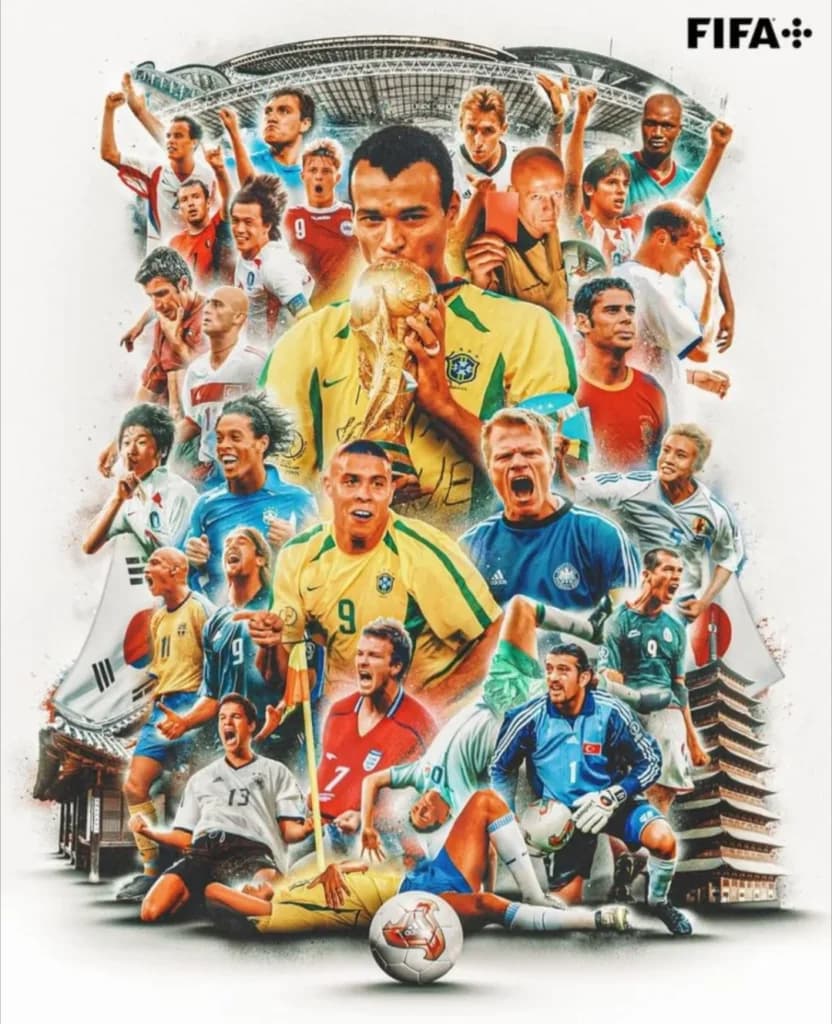
2002 World cup co-hosted by Korean and Japan, one of the most influential World cup in football transformation history.
In 1996, Major League Soccer (MLS) was established in the United States, providing a platform to develop football culture in a nation traditionally dominated by other sports. Similarly, Africa's growing influence became evident with teams like Nigeria and Cameroon achieving success in international tournaments, further emphasizing football's global reach.
The introduction of advanced technologies revolutionized football
, ensuring greater accuracy and fairness in decision-making. Innovations such as Goal-Line Technology and Video Assistant Referees (VAR) were milestones that enhanced the credibility of the sport.
Though these technologies became mainstream in the early 2010s, their conceptual foundations were laid during the transformative period of the late 1990s and early 2000s. These advancements reflected football’s adaptation to the digital age, providing transparency in officiating and instilling greater trust among players and fans.

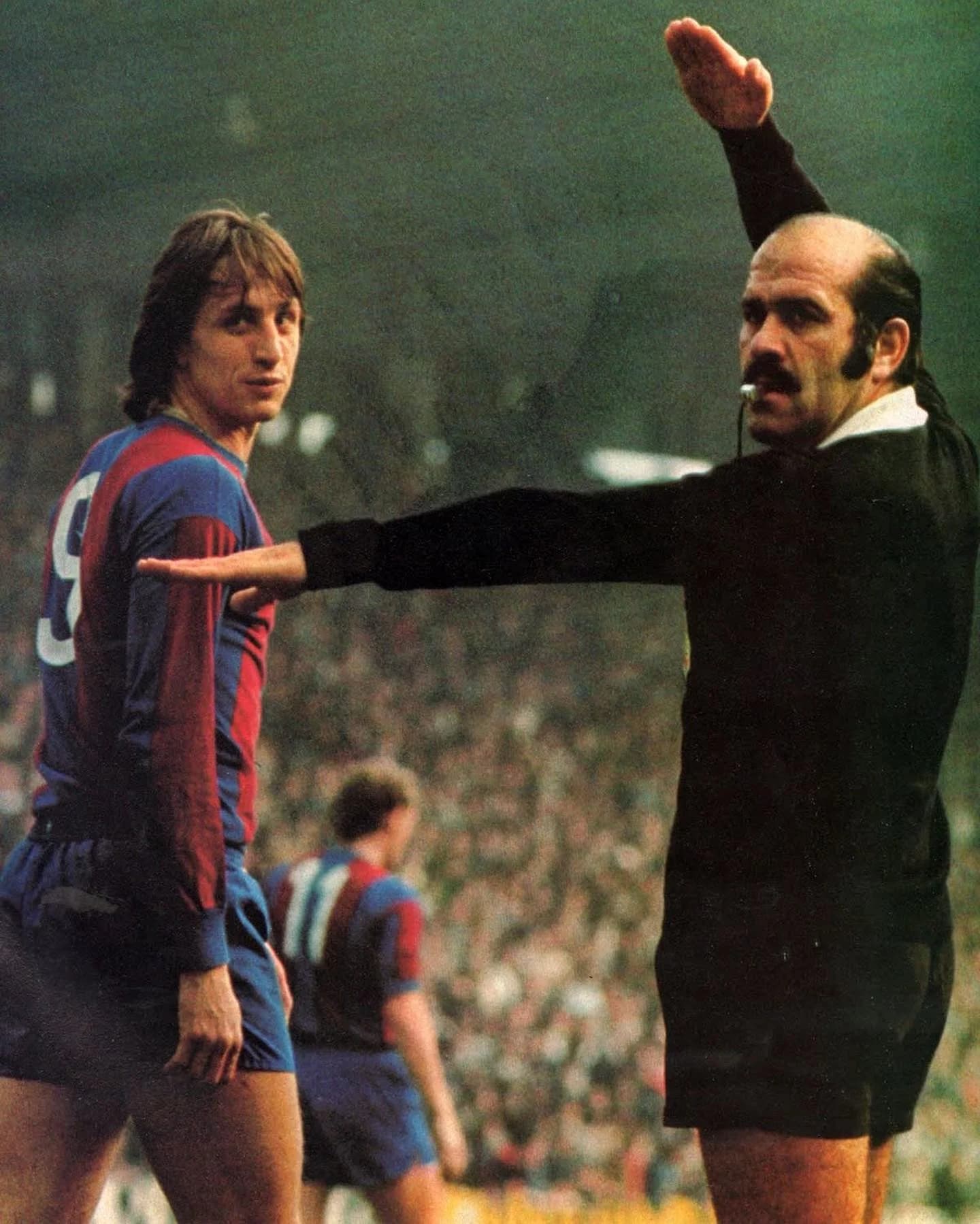
Video Assistant Referees (VAR) famous football technology, introduced to help referees for fair decision making within the game.
The 1990s and early 2000s were pivotal for tactical evolution in football
, influenced by the principles of "
Total Football
," introduced by Dutch national football team led by Johan Cruyff in the 1970s, where they were playing fluid football style by exchanging positions among players and tactical positioning. Later teams embraced hybrid styles that combined fluidity with tactical discipline. In 2000s most of the teams started introducing the same style where Clubs like, FC Barcelona and Arsenal adopted the style firstly, which emphasized positional play, dynamic movement, and role interchange.
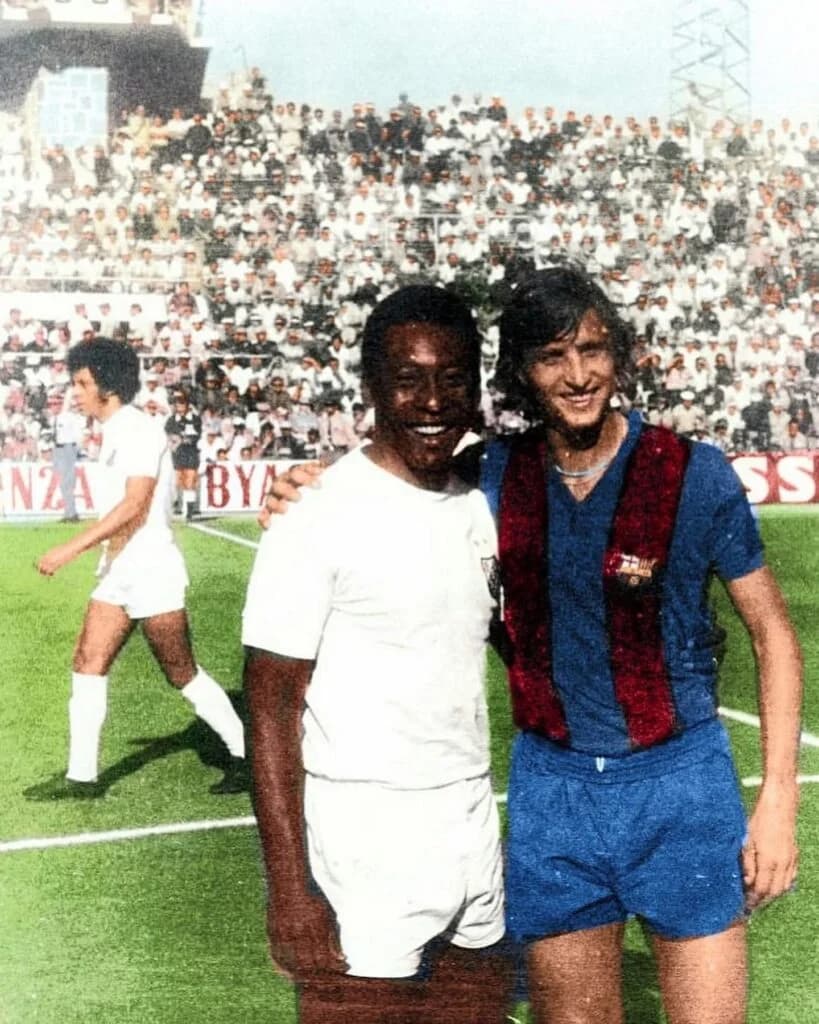
Pele on left and Johan Cruyff right, one of the pioneer player in 1970s Dutch's Total football system.
Defensive systems, such as the Italian "
catenaccio
," were modernized to include counter-attacking elements, showcasing the balance between attacking brilliance and defensive solidity. These innovations laid the groundwork for modern football’s tactical diversity.
The era saw the emergence of extraordinary players whose brilliance transformed football
, icons like
Zinedine Zidane
,
Ronaldinho
, and
Ronaldo Nazário
captivated audiences with their unique skills and game-changing performances.
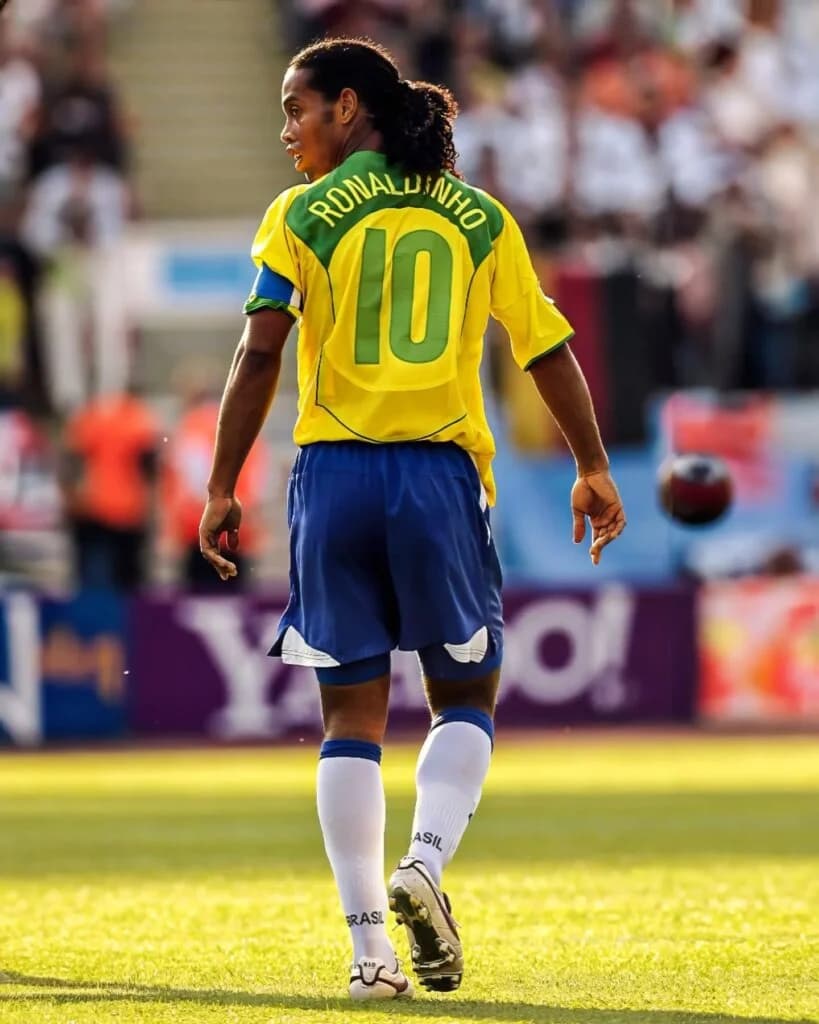
Ronaldinho, one of the individual Brazilian super talented player back in 1990s-2010s football transformation era.
Their individual brilliance underscored the profound impact that a single player could have on team dynamics and global fan engagement. Back in 2002 onwards, the emergence of
Lionel Messi
and
Cristiano Ronaldo
heralded a new era of individual excellence. Their long rivalry over a decade, redefined the standards of performance and consistency, elevating football to unprecedented heights.
The 1990s and 2000s also witnessed the increasing commercialization of football
, clubs became global brands, fueled by lucrative sponsorships, broadcast deals, and the rise of social media. This commercialization extended to player development, as academies began grooming young talents tailored to specific playing styles and marketability. This shift marked a departure from reliance on raw, natural talent to a more structured approach, blending innate skill with rigorous training.

Modern football is transforming from natural and raw talented players to academic made-up players.
The transformation of football between 1990 and 2010 was marked by globalization, technological advancements, tactical evolution, individual brilliance and commercialization of modern football.
These changes elevated the sport to global prominence, uniting fans from diverse cultures and backgrounds. As the game continues to evolve, this era remains a cornerstone in football history, inspiring future generations and showcasing the unending beauty of progress.



Comments
No comments yet. Be the first to share a thought.