
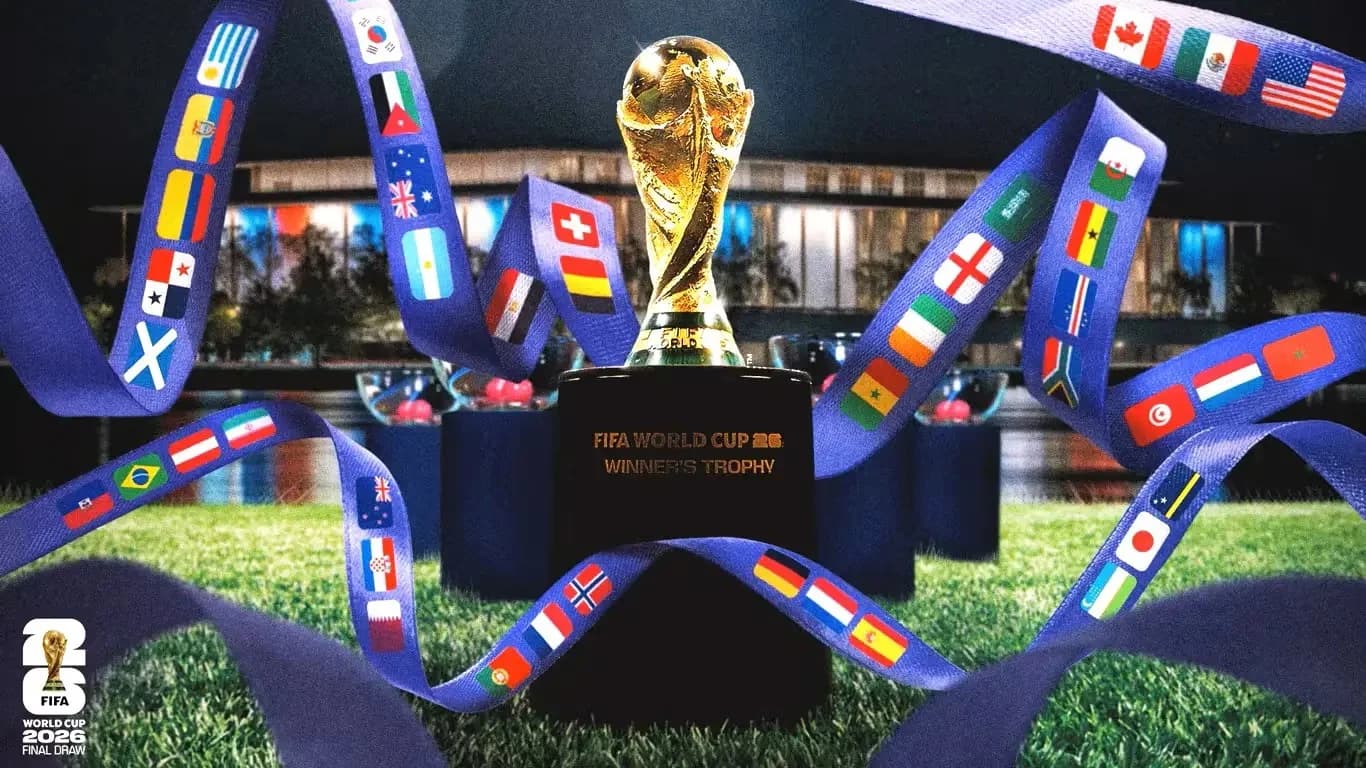
As preparations intensify for the 2026 FIFA World Cup, to be hosted mainly by the United States alongside Canada and Mexico, a growing wave of debate is spreading across Africa. From football federations to civil-society groups and former players, many voices are now questioning whether African nations should take part in a tournament they believe may not treat them as equal stakeholders. While the World Cup has always been promoted as a global celebration of unity, critics argue that political, social, and economic realities surrounding the U.S. as a host country risk undermining that ideal —
As preparations intensify for the 2026 FIFA World Cup, to be hosted mainly by the United States alongside Canada and Mexico, a growing wave of debate is spreading across Africa. From football federations to civil-society groups and former players, many voices are now questioning whether African nations should take part in a tournament they believe may not treat them as equal stakeholders. While the World Cup has always been promoted as a global celebration of unity, critics argue that political, social, and economic realities surrounding the U.S. as a host country risk undermining that ideal — particularly for African players, officials and supporters. At the center of the controversy are long-standing U.S. visa policies. African travelers continue to face some of the highest rejection rates and longest processing delays in the world. Football administrators warn that thousands of African fans, journalists and even officials could be unable to attend the tournament simply because they cannot obtain visas. For many observers, this creates a deep contradiction with FIFA’s promise of inclusivity. A World Cup that African supporters cannot freely attend, analysts argue, cannot truly be called global. There are also growing concerns around racial justice and safety. The United States continues to face scrutiny over racial discrimination and police violence against Black communities. African players and fans have expressed fears of racial profiling and unequal treatment during their stay. Human-rights advocates insist that FIFA must secure clear and enforceable guarantees to protect all participants from discrimination. Beyond social issues, the debate has revived long-standing frustrations about Africa’s place in global football. Despite producing some of the world’s most talented players and commanding a massive television audience, Africa still receives fewer World Cup slots and less financial investment than Europe and South America. Critics say this imbalance is structural, and hosting the tournament in one of the world’s most powerful countries risks deepening it unless meaningful reforms are made. Questions have also been raised about double standards in international sport. While some countries face sanctions or exclusion over political issues, others with controversial records are allowed to host major tournaments. For many African observers, this selective enforcement undermines the credibility of global football governance. Economically, the 2026 World Cup is expected to generate billions of dollars through tourism, sponsorships and broadcasting — most of it flowing into North America. Africa, despite supplying many of the tournament’s star players and one of the largest global fan bases, is likely to see little direct benefit. Critics argue this reflects a system in which Africa provides talent and audiences but receives limited returns. Not all African football leaders support an outright boycott. However, there is broad agreement that the continent must speak with a united voice. Many have proposed conditional participation, demanding guaranteed visa access for African teams and supporters, stronger anti-racism and human-rights protections, more World Cup slots for African nations, and greater investment in football development across the continent. Sports historians note that collective action in sport has previously helped advance justice, most notably during the fight against apartheid. Whether Africa ultimately chooses boycott or negotiation, one message is becoming increasingly clear: African football is no longer willing to accept a system that celebrates its talent while marginalizing its people.

Comments
No comments yet. Be the first to share a thought.